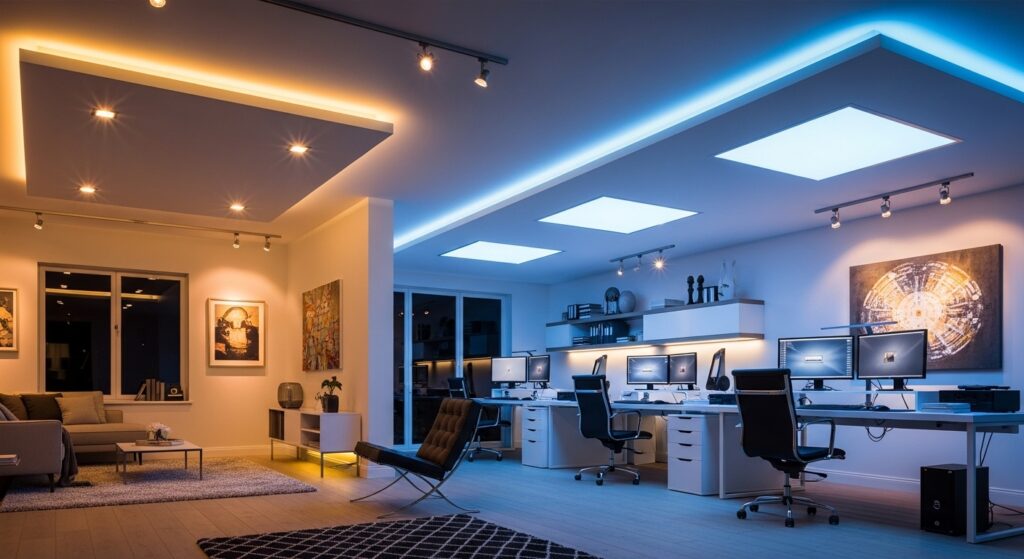
LED lights have revolutionized the way we illuminate our homes, workplaces, and public spaces. From energy efficiency to versatility, LED technology has become the preferred choice for lighting solutions worldwide. In this blog, we will explore the benefits, applications, and tips for using LED lights effectively.
What Are LED Lights?
LED stands for Light Emitting Diode. Unlike traditional incandescent bulbs, which generate light by heating a filament, LEDs produce light through a process called electroluminescence. This method is far more energy-efficient, as it converts a higher percentage of electricity into visible light, generating minimal heat.
LED lights are compact, durable, and long-lasting. They come in a variety of shapes, sizes, and colors, making them suitable for numerous applications, from home lighting to industrial setups.
Benefits of Using LED Lights
Energy Efficiency
One of the most significant advantages of LED lights is their energy efficiency. LED bulbs consume up to 80% less electricity compared to traditional incandescent or fluorescent bulbs. This not only reduces your electricity bill but also contributes to environmental conservation by lowering greenhouse gas emissions.
Longevity
LED lights have a longer lifespan than conventional lighting. While incandescent bulbs may last around 1,000 hours and fluorescent tubes up to 10,000 hours, LEDs can operate for 25,000 to 50,000 hours. This makes them a cost-effective option in the long run, as replacements are needed far less frequently.
Durability
LEDs are highly durable and resistant to shocks, vibrations, and external impacts. Unlike fragile glass bulbs, LED lights can withstand accidental drops and rough handling, making them ideal for both indoor and outdoor use.
Versatility
LED lighting is incredibly versatile. They are available in various forms, including strip lights, panel lights, bulbs, floodlights, and tube lights. The color temperature can range from warm white to cool daylight, allowing users to create the desired ambiance. LEDs are also dimmable, making them suitable for decorative lighting, mood lighting, and task lighting.
Environmental Impact
LED lights are eco-friendly. They contain no hazardous substances like mercury, which is found in fluorescent lamps. Additionally, their reduced energy consumption contributes to lower carbon emissions, supporting a cleaner environment.
Applications of LED Lights
Residential Lighting
In homes, LED lights are used for general illumination, accent lighting, and decorative purposes. LED bulbs and panel lights can brighten living rooms, kitchens, and bedrooms efficiently. LED strip lights are popular for highlighting architectural features, cabinets, or shelves. Outdoor LED lights enhance security and provide aesthetic appeal to gardens, driveways, and patios.
Commercial and Office Spaces
Businesses are increasingly adopting LED lighting to reduce operating costs. LED panels, downlights, and tube lights are commonly used in offices, retail stores, and shopping malls. They provide bright, uniform illumination that enhances productivity while minimizing glare and eye strain. LED lights in commercial spaces also offer flexibility in design and layout, enabling businesses to create inviting and modern environments.
Industrial Applications
LED lighting plays a crucial role in industrial settings such as factories, warehouses, and workshops. High-bay LED lights provide powerful illumination for large spaces, improving safety and efficiency. LED floodlights are used in outdoor industrial areas, parking lots, and construction sites to ensure proper visibility during nighttime operations.
Street and Public Lighting
Cities around the world are replacing traditional streetlights with LED solutions. LED streetlights consume less power and have a longer lifespan, reducing maintenance costs for municipalities. Their bright and focused light improves road safety, while their eco-friendly nature aligns with sustainable urban development goals.
Special Purpose Lighting
LEDs are also used in specialized applications such as automotive lighting, emergency lighting, stage lighting, and horticultural lighting. Automotive LEDs enhance visibility and safety for vehicles, while grow lights with specific wavelengths support plant growth indoors. Stage and studio lighting benefit from LEDs’ color options, low heat generation, and precise control.
Choosing the Right LED Lights
Selecting the appropriate LED lights depends on several factors:
- Purpose: Determine whether the lighting is for general, task, or decorative use.
- Brightness: Measured in lumens, higher lumens indicate brighter light. Choose brightness according to the area size.
- Color Temperature: Warm white (2700K–3000K) creates a cozy ambiance, while cool white (4000K–6500K) is ideal for workspaces.
- Energy Efficiency: Check the wattage and lumens per watt (lm/W) rating to ensure energy savings.
- Durability: For outdoor or industrial use, opt for LED lights with weatherproof and shock-resistant features.
- Dimmable Feature: If you want adjustable lighting, ensure the LED is dimmable.
Maintaining LED Lights
LED lights require minimal maintenance, but a few simple practices can extend their lifespan:
- Keep them clean and free of dust.
- Avoid frequent on/off switching, which may affect performance in some models.
- Use compatible dimmers and drivers for dimmable LEDs.
- Ensure proper ventilation to prevent overheating.
Future of LED Lighting
The future of LED lighting looks promising with advancements in smart technology and energy-efficient solutions. Smart LEDs can be controlled through mobile apps, voice assistants, or automation systems. Features like color-changing options, timers, and motion sensors offer enhanced convenience and customization. As LED technology continues to evolve, we can expect even higher efficiency, better light quality, and more sustainable lighting solutions for all sectors.
Conclusion
LED lights are more than just a source of illumination—they are a step toward energy efficiency, sustainability, and modern design. Their benefits, versatility, and long-term savings make them an ideal choice for homes, businesses, and public spaces. Switching to LED lights is not only an environmentally responsible decision but also a smart financial investment. Whether you are upgrading your home lighting or planning a large-scale commercial project, LED lights provide reliable, durable, and attractive solutions that brighten your world in every sense.