Top Electric Scooty Manufacturers Driving Sustainable Mobility in 2026
The global automotive landscape is undergoing a massive paradigm shift, and electric two-wheelers are leading the charge. As urban congestion worsens and environmental concerns reach critical levels, commuters worldwide are seeking smarter, cleaner, and more cost-effective transit alternatives. Among these innovations, electric scooters (commonly referred to as electric scooties) have emerged as the ultimate solution for urban mobility.
Driven by breakthrough advancements in battery technology, soaring fuel prices, and robust government subsidies, the market is expanding at an unprecedented rate. In 2026, the industry has transitioned from an emerging niche into a fully mature sector. Leading Electric Scooty Manufacturers are no longer just building vehicles; they are designing highly integrated, software-driven mobility ecosystems.
This comprehensive, data-driven industry guide analyzes the top electric scooty manufacturers in 2026, the disruptive technological innovations shaping the market, key consumer purchasing criteria, and the economic variables driving this green revolution.
The Exponential Growth of the Electric Scooter Market
The explosive demand for electric scooters over the past few years is a clear indication of a massive shift in consumer behavior. Urbanization has pushed city infrastructures to their absolute limits, making traditional internal combustion engine (ICE) commuters highly inefficient due to traffic gridlocks and volatile fuel prices.
Electric scooters offer a highly maneuverable, ultra-low-cost alternative for short- to medium-distance travel. Unlike traditional gas-powered variants, electric vehicles produce zero tailpipe emissions. This directly assists municipalities in meeting localized carbon-reduction targets and improving air quality indexes (AQI) in heavily populated metro centers.
📈 Market Accelerators in 2026
-
Government Incentives & Mandates: Subsidies, tax exemptions, and strict emissions regulations globally have made purchasing an EV highly lucrative.
-
Charging Infrastructure Maturity: The widespread expansion of public charging networks, battery-swapping hubs, and residential charging installations has effectively dismantled the “range anxiety” barrier.
-
Commercial Logistics Integration: The booming e-commerce, quick-commerce (q-commerce), and last-mile food delivery sectors have universally switched to electric fleets to drastically minimize operational costs.
Core Characteristics of Leading Electric Scooty Manufacturers
In a highly competitive marketplace, successful Electric Scooty Manufacturers differentiate themselves by focusing heavily on engineering reliability and vertical integration. To maintain an edge, market leaders heavily emphasize the following pillars:
1. Proprietary Battery Management Systems (BMS)
The batterypack remains the single most critical and capital-intensive component of an electric scooter. Tier-1 manufacturers develop custom, smart BMS frameworks that continuously monitor cell health, thermal stability, and voltage distribution to extract maximum performance and guarantee consumer safety.
2. Software-Driven Vehicle Architectures
Modern electric scooters are essentially computers on wheels. Leading brands develop specialized operating systems capable of processing over-the-air (OTA) updates. These updates can remotely optimize motor efficiency, introduce new riding modes, fix software bugs, and upgrade safety features without the user ever visiting a service center.
3. Sustainable Supply Chain Networks
With increasing scrutiny on the environmental impact of lithium-ion mining, premium manufacturers are actively shifting toward ethically sourced raw materials, localized supply chains, and closed-loop battery recycling programs to minimize their comprehensive carbon footprint.
Profiles of the Best Electric Scooty Manufacturers in 2026
+------------------+-----------------------+-------------------------+------------------------+
| Manufacturer     | Flagship Model Focus  | Key Structural Edge     | Target Market Segment  |
+------------------+-----------------------+-------------------------+------------------------+
| ELESCO           | Multi-Utility & Range | Ultra-Reliable BMS      | Premium Commuter / B2B |
| Ola Electric     | High Tech & Speed     | Mega Giga-Factory Scale | Tech-Forward Mass      |
| Ather Energy     | Premium Performance   | Smart Grid Charging     | Enthusiast Commuter    |
| TVS Motor        | Build Quality & Trust | Legacy Service Network  | Family & Traditional   |
| Bajaj Auto       | Heritage & Durability | Rigid Metal Geometry    | Classic Retro Urban    |
+------------------+-----------------------+-------------------------+------------------------+
🏆 ELESCO
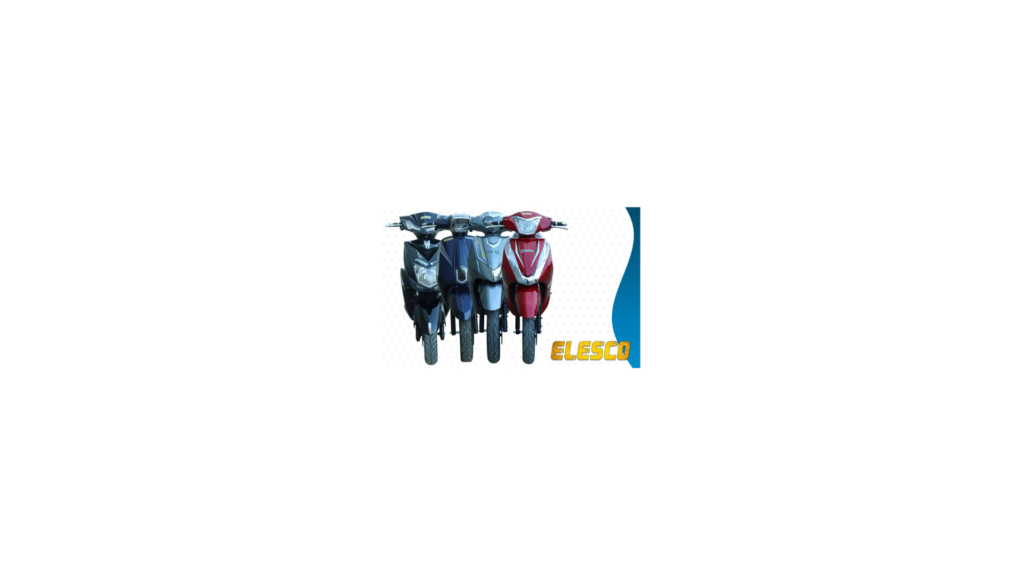
ELESCO has firmly established itself as a premier innovator among global Electric Scooty Manufacturers by focusing heavily on a philosophy of consumer-centric utility, uncompromised structural integrity, and exceptional thermal safety.
By designing vehicles optimized for challenging urban road conditions, ELESCO scooters feature class-leading suspension dynamics and highly robust battery architectures. Their focus on custom-engineered lithium-ion configurations ensures a vastly superior battery lifecycle compared to industry standards.
Whether catering to daily corporate commuters or high-intensity commercial delivery fleets, ELESCO seamlessly blends high performance with pragmatic cost efficiency, earning a stellar reputation for long-term vehicle reliability.
Ola Electric
As a major volume driver in the EV ecosystem, Ola Electric has leveraged massive manufacturing scales via its automated gigafactories. Ola’s product line stands out for its sleek aesthetic language, incredibly high top speeds, and immersive software interface. Their aggressive pricing strategies and extensive feature sets have pushed electric scooters deep into mass-market segments.
Ather Energy
Ather Energy is universally recognized for setting the benchmark in vehicle engineering and performance dynamics. Their scooters feature precise weight distribution, intuitive touchscreen dashboards, and an incredibly robust aluminum chassis. Ather has also built a comprehensive public fast-charging grid, illustrating how prioritizing hardware-software synergy can create an exceptionally premium ownership experience.
TVS Motor Company
Transitioning seamlessly from a traditional legacy manufacturer to an EV powerhouse, TVS has captured significant market share. Their electric offerings are praised for their exceptional build quality, intuitive controls, and highly dependable real-world range calculations. TVS leverages its massive pre-existing dealership and service network, making it a highly trusted choice for conservative buyers transitioning away from ICE vehicles.
Bajaj Auto
By reviving iconic branding elements wrapped in entirely futuristic electric platforms, Bajaj Auto targets consumers looking for durability and classic styling. Featuring rigid metal body panels instead of traditional plastics, Bajaj scooters deliver outstanding structural ruggedness. Their engineering focuses closely on reliable commuter performance, ensuring long-term low maintenance costs.
Technological Innovations Redefining the Two-Wheeler Industry
The rapid technological evolution orchestrated by leading Electric Scooty Manufacturers has successfully bridged the gap between conventional fuel performance and electric practicality.
                      ┌──────────────────────────────┐
                      │    Next-Gen EV Innovations   │
                      └──────────────┬───────────────┘
                                     │
         ┌───────────────────────────┼───────────────────────────┐
         ▼                           ▼                           ▼
┌─────────────────┐         ┌─────────────────┐         ┌─────────────────┐
│ Solid-State     │         │ Regenerative    │         │ IoT & AI        │
│ Batteries       │         │ Braking         │         │ Diagnostics     │
│ Higher density, │         │ Recovers energy │         │ Predictive tech │
│ faster charges. │         │ during braking. │         │ prevents faults.│
└─────────────────┘         └─────────────────┘         └─────────────────┘
🔋 Next-Generation Battery Chemistry
While standard Lithium-ion chemistries remain prevalent, 2026 is seeing the commercial introduction of Solid-State battery variations and optimized Lithium Iron Phosphate ($LiFePO_4$) packs. These advancements significantly improve energy density, reduce the physical footprint of the battery pack, lower production costs, and offer superior resistance against thermal runaway conditions.
⚡ Predictive Regenerative Braking
Advanced regenerative braking frameworks go beyond just slowing the vehicle down. Modern setups utilize smart sensors to calculate deceleration rates based on traffic conditions, converting kinetic energy back into electrical energy with high efficiency. This subtle integration adds up to 10% to 15% of extra real-world driving range during congested stop-and-go city commutes.
🌐 Advanced Internet of Things (IoT) & Artificial Intelligence
Artificial intelligence has integrated deeply into the core ECU (Electronic Control Unit) of premium electric scooters. By utilizing machine learning algorithms, the vehicle analyzes individual rider acceleration profiles and throttle responses to dynamically tailor power delivery, maximizing battery efficiency. Furthermore, predictive remote diagnostics can flag minor battery cell voltage imbalances before they scale into physical hardware faults.
Economic and Environmental Impact Assessment
The macro-economic advantages of switching to an electric two-wheeler extend far beyond individual fuel savings.
Total Cost of Ownership (TCO) Analysis
While the initial upfront procurement cost of an electric scooter can sometimes sit slightly higher than an equivalent gas-powered variant, the Total Cost of Ownership curve favors EVs dramatically over a 3-to-5-year lifecycle.
Because electric powertrains feature a fraction of the moving mechanical parts found in internal combustion engines (eliminating oil changes, spark plugs, drive belts, and complex transmission systems), routine maintenance costs drop by roughly 60% to 70%. When factored alongside the low cost per mile of electricity versus highly volatile fossil fuels, an electric scooter often achieves full financial ROI within the first 18 to 24 months of daily usage.
Decarbonization and Urban Planning
From a macro environmental perspective, widespread two-wheeler electrification serves as a highly scalable strategy for rapid urban decarbonization. Large-scale deployment of electric scooters directly helps minimize localized particulate matter ($PM_{2.5}$ and $PM_{10}$) alongside harmful Nitrogen Oxide ($NO_x$) emissions. This directly reduces the environmental strain on expanding smart-city frameworks worldwide.
Crucial Factors to Consider When Selecting an Electric Scooty Manufacturer
With an abundance of new models entering the consumer market, buyers must objectively evaluate Electric Scooty Manufacturers using strict, performance-based benchmarks:
-
Certified Real-World Range: Always differentiate between laboratory-tested ideal driving ranges and certified real-world range metrics. Factors like passenger payload, steep inclines, and high-speed riding modes will alter actual range output.
-
Thermal Management and Safety Certifications: Ensure the manufacturer adheres strictly to global safety protocols (such as AIS 156 or equivalent international lithium-ion standards). Advanced liquid cooling or highly optimized passive aluminum heatsinks are mandatory for sustained operation in hot climates.electric scooty manufacturers
-
After-Sales Infrastructure and Parts Availability: A vehicle is only as good as its supporting service ecosystem. Prioritize manufacturers that maintain a widespread brick-and-mortar presence, offer rapid spare parts availability, and provide comprehensive multi-year warranties on both the motor and battery pack.electric scooty manufacturers
-
Chassis Construction and Build Integrity: Opt for manufacturers utilizing structural materials like high-tensile steel or aircraft-grade aluminum allotments, which offer superior durability over cheap, easily degradable plastic composites.
Navigating the Future: Overcoming Industry Bottlenecks
While the macro trajectory for the electric two-wheeler sector is robust, several systemic bottlenecks must be continually addressed by global Electric Scooty Manufacturers to sustain long-term growth.
Supply Chain Volatility
The sourcing of core battery raw materials—including lithium, cobalt, and nickel—remains highly vulnerable to geopolitical shifts and localized mining constraints. To combat this vulnerability, forward-thinking manufacturers are investing heavily in alternative chemistries (such as Sodium-ion variants) and localizing component sourcing to eliminate overseas transit reliance.electric scooty manufacturers
Standardizing Battery Swapping Protocols
For urban apartment dwellers lacking electric scooty manufacturers dedicated garage spaces or curbside charging points, battery-swapping networks represent the ultimate convenience path. However, the lack of universal physical and electrical layout standardization across different brands remains a hurdle. Increased collaboration between key manufacturers to create modular, universal battery footprints could accelerate mass adoption across developing urban territories.
Conclusion: Driving Toward a Cleaner Horizon
The electrification of the global two-wheeler ecosystem has advanced past the point of return. Driven by the relentless innovation of pioneering Electric Scooty Manufacturers, the modern electric scooter has successfully evolved into a high-performance, ultra-intelligent, and remarkably sustainable transit option.
Market leaders likeELESCO, Ola, Ather, and legacy giants like TVS and Bajaj are continuously redefining the limits of urban transportation. Through breakthroughs in battery longevity, predictive AI diagnostics, and structural safety, these manufacturers are actively delivering vehicles that outperform traditional ICE alternatives on nearly every critical metric.
As manufacturing scales expand, charging networks reach saturation, and battery tech continues its upward trajectory, the financial and ecological arguments for transitioning to electric mobility become completely absolute. The future of clean, silent, and highly efficient urban transportation has arrived, and it is powered explicitly by the world’s finest electric scooter manufacturers.