Kidney stone pain has a way of making decisions feel urgent.
But before agreeing to laser kidney stone removal, doctors want patients to slow down and understand what truly determines success.
Is laser treatment always necessary?
Is it safe for your type of stone?
And does the specialist you choose really make a difference?
Here are five essential insights urologists consistently share — plus a few things patients often overlook.
1. Stone Size, Location, and Type Decide Everything
Doctors do not recommend laser kidney stone removal based on pain alone. The decision depends on clinical factors that imaging reveals.
Laser treatment works best for:
- Stones larger than 5 mm
- Stones located in the ureter or kidney.
- Hard stones that will not break naturally
However, not all stones behave the same. Certain types — such as cystine stones — may fragment less predictably, sometimes requiring more than one session.
That is why confirming stone composition through imaging or analysis is a critical first step, not an afterthought.
2. Laser Treatment Is Highly Effective — When Properly Indicated
For suitable cases, laser kidney stone removal has a success rate exceeding 90%. This is one of the highest outcomes among stone treatment options.
That said, larger or complex stones may require:
- Staged procedures
- Temporary stent placement
- Close follow-up imaging
A good urologist will explain this upfront, rather than promise instant results.
Choosing the best urologist in Dubai means choosing honesty, not shortcuts.
3. Your Overall Health Matters More Than You Think
Laser treatment is minimally invasive, but it is still a medical procedure. Doctors carefully evaluate patient health to minimise risks such as bleeding or infection.
Key factors assessed include:
- Blood clotting conditions
- Active urinary tract infections
- Obesity or anatomical considerations
- Previous stone or surgery history
Ignoring these factors can increase complications — which is why personalised evaluation is non-negotiable.
4. The Procedure Is Incision-Free, But Precision Is Key
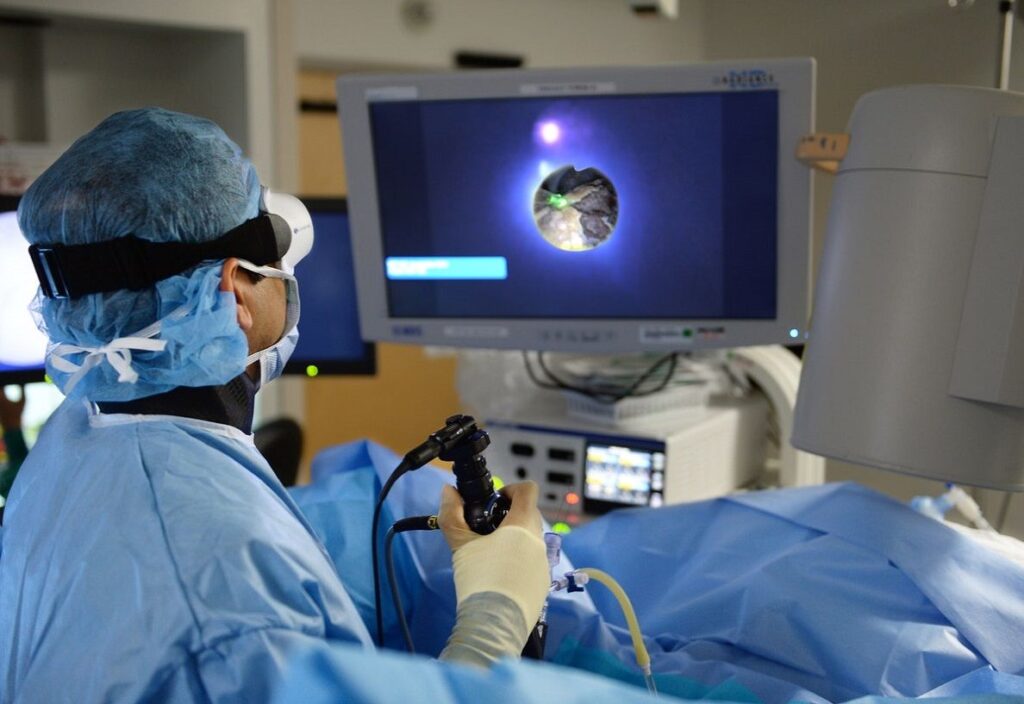
Laser lithotripsy is performed using a ureteroscope passed through the urethra under anaesthesia — no cuts, no scars.
During the procedure:
- The laser “dusts” stones into tiny fragments
- Fragments pass naturally through urine.
- Most patients go home the same day.
Compared to older methods like shock wave therapy, laser treatment is often more effective for hard stones and stones in difficult locations, such as the lower kidney pole.
Mild discomfort for 1–2 days is common, especially if a temporary stent is placed to aid drainage.
5. Removing the Stone Does not Prevent the Next One
This is where many patients get caught off guard.
Laser kidney stone removal treats the stone — not the cause. Without prevention, stones often return.
Doctors recommend:
- Analysing stone composition
- Improving hydration habits
- Making dietary adjustments
- Addressing metabolic risk factors
Patients who receive proper guidance after treatment significantly reduce recurrence rates.
When Laser Treatment May Not Be Necessary
Not every kidney stone needs surgery.
Doctors often manage smaller stones with:
- Increased fluid intake
- Medication
- Observation
Avoiding unnecessary procedures protects kidney health long-term and reduces costs and recovery time.
A true specialist knows when not to operate.
FAQ: Laser Kidney Stone Removal
Is laser kidney stone removal painful?
The procedure is performed under anaesthesia. Post-treatment discomfort is usually mild and temporary.
How long does recovery take?
Most patients return to normal activities within a few days, depending on stone size and stent use.
Can laser kidney stone removal fail?
Success rates exceed 90% for suitable stones, though exceptionally large stones may require more than one session.
Is laser better than shock wave therapy?
For hard stones or lower kidney stones, laser treatment often achieves better clearance.
How do I choose the best urologist in Dubai?
Look for experience with complex stone cases, advanced laser technology, and a patient-focused approach.
Knowledge Is the First Step to Better Outcomes
Choosing laser kidney stone removal should not be a rushed decision driven by pain alone. Understanding your stone type, health profile, and treatment options leads to safer procedures and better results.
Many patients in Dubai seek care from specialists like Dr. Mahesh K Dhanjee, who is known for combining advanced laser technology with a compassionate, patient-first approach. His expertise spans renal stones, paediatric urology, prostatic disease, incontinence, renal oncology, and erectile dysfunction — ensuring every patient feels heard, respected, and properly guided.
If you are considering treatment or need a second opinion, trusted educational resources and expert care are available at urologistdubai.ae — helping you move forward with clarity, confidence, and the right medical support.
Book a specialist consultation today and make an informed decision about your kidney stone treatment