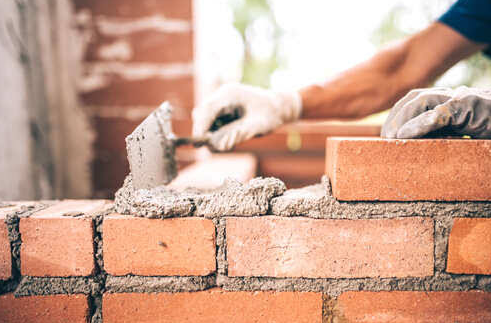
Brick masonry is known for its strength, durability, and timeless appearance. However, even the highest-quality brickwork can deteriorate over time due to weather, moisture, and natural settling. Illinois homeowners face unique challenges because of the state’s changing seasons, freezing temperatures, and heavy rainfall, all of which can gradually weaken brick structures.
Recognizing the early warning signs can help you avoid expensive structural repairs later. If you’ve noticed cracks, loose bricks, or damaged mortar, it may be time to consider professional brick work in Illinois. Arch Masonry helps homeowners identify masonry problems early and restore their property’s beauty and structural integrity with quality craftsmanship.
Why Brick Masonry Deteriorates in Illinois
Illinois experiences hot summers, freezing winters, and frequent freeze-thaw cycles. When moisture enters small cracks in brick or mortar, it freezes and expands during cold weather. This repeated expansion and contraction gradually weakens masonry over time.
Other common causes of brick damage include:
- Foundation settlement
- Poor drainage around the home
- Aging mortar joints
- Water infiltration
- Tree root movement
- Heavy storms and strong winds
- Improper previous repairs
Understanding these causes makes it easier to recognize problems before they become serious.
Cracks in Brick Walls
One of the most noticeable signs that your home may need masonry repair is cracking.
Common types include:
- Vertical cracks
- Horizontal cracks
- Stair-step cracks following mortar joints
- Small hairline cracks
Not every crack indicates major structural damage, but widening or growing cracks should always be inspected by a professional. Stair-step cracks are especially common in brick homes experiencing foundation movement.
Prompt repairs can prevent moisture from entering the wall and causing further deterioration.
Damaged or Missing Mortar
Mortar holds bricks together and distributes structural loads evenly. As mortar ages, it naturally begins to wear away.
Signs of failing mortar include:
- Crumbling joints
- Missing sections
- Gaps between bricks
- Loose or sandy mortar
When mortar deteriorates, water can easily enter the wall system, accelerating brick damage.
Repointing, also called tuckpointing, replaces deteriorated mortar while preserving the original brickwork and extending the life of the structure.
Loose or Shifting Bricks
Bricks should remain firmly bonded together. If individual bricks begin moving or feel loose when touched, repairs should not be delayed.
Loose bricks often indicate:
- Water damage
- Mortar failure
- Structural movement
- Freeze-thaw deterioration
Ignoring loose masonry can eventually create safety hazards and increase repair costs.
Bulging or Bowing Brick Walls
A brick wall should remain straight and level. If sections begin leaning outward or appear to bulge, this often signals a serious structural issue.
Bulging walls may result from:
- Trapped moisture
- Wall anchor failure
- Foundation settlement
- Long-term structural stress
Professional evaluation is essential because wall movement may continue if the underlying cause is not corrected.
White Stains on Brick Surfaces
A white powdery substance on brick is known as efflorescence.
Although the stain itself is not harmful, it indicates moisture is moving through the masonry.
Persistent moisture can eventually lead to:
- Brick deterioration
- Mortar damage
- Mold growth
- Interior water problems
Cleaning the stains alone will not solve the issue. The source of the moisture should also be addressed.
Interior Water Leaks
Brick walls naturally resist weather, but damaged masonry can allow water to penetrate the building.
Warning signs include:
- Damp basement walls
- Water stains indoors
- Peeling paint
- Mold or mildew
- Musty odors
Repairing damaged brickwork and improving drainage can help prevent future water intrusion.
Chipped or Flaking Bricks
When the outer surface of a brick begins breaking apart, the condition is called spalling.
Spalling commonly occurs after repeated freeze-thaw cycles when trapped moisture expands inside the brick.
Signs include:
- Flaking surfaces
- Broken brick corners
- Peeling faces
- Crumbling brick material
Replacing damaged bricks promptly helps prevent surrounding masonry from deteriorating.
Gaps Around Windows and Doors
If gaps begin forming around windows or doors surrounded by brick, it may indicate movement within the masonry.
You may also notice:
- Windows becoming difficult to open
- Doors sticking
- Visible separation between brick and trim
- Interior wall cracks nearby
These symptoms often appear gradually and should be evaluated before larger structural issues develop.
Chimney Brick Damage
Chimneys are especially vulnerable because they are exposed to weather year-round.
Inspect your chimney for:
- Missing mortar
- Leaning sections
- Cracked bricks
- Loose chimney caps
- Water stains
Routine chimney masonry repairs help prevent costly rebuilding projects later.
Foundation Movement Affecting Brickwork
Sometimes brick damage is only a symptom of foundation settlement.
Signs include:
- Stair-step cracking
- Uneven brick lines
- Large exterior wall cracks
- Interior drywall cracks
- Sloping floors
A professional inspection can determine whether the brick itself needs repair or if foundation issues should be addressed first.
The Importance of Early Brick Repairs
Many homeowners postpone masonry repairs because the damage initially appears cosmetic.
However, delaying repairs can lead to:
- Increased moisture damage
- Structural instability
- Higher repair costs
- Reduced property value
- Greater energy loss
- Safety concerns
Addressing small problems early is usually much more affordable than repairing extensive structural damage later.
Why Professional Brick Work Matters
Brick repair requires more than simply replacing damaged materials. Proper masonry restoration involves matching brick size, color, mortar composition, and construction techniques to preserve both appearance and structural performance.
Experienced masonry professionals understand how to:
- Identify the true cause of damage
- Match existing brickwork
- Replace deteriorated mortar correctly
- Repair structural cracks
- Improve moisture protection
- Restore long-term durability
Quality workmanship ensures repairs blend naturally with the original structure while providing lasting protection.
Why Homeowners Choose Arch Masonry
When homeowners need dependable brick work in Illinois, Arch Masonry provides skilled masonry services designed to restore both the appearance and strength of brick structures. From cracked brick walls and deteriorating mortar joints to chimney repairs and complete masonry restoration, every project begins with a careful inspection and a repair plan tailored to the home’s condition.
Using quality materials and proven repair techniques, Arch Masonry helps Illinois homeowners protect their investment while preserving the character and durability of their brick homes.
Final Thoughts
Brick homes are built to last, but even durable masonry requires maintenance over time. Cracks, loose bricks, deteriorating mortar, water stains, and structural movement should never be ignored, especially in Illinois, where changing weather conditions place extra stress on masonry.
If you’ve noticed any of these warning signs, scheduling a professional inspection can prevent minor issues from becoming major repairs. For reliable brick work in Illinois, Arch Masonry delivers experienced craftsmanship, dependable repairs, and long-lasting masonry solutions that help keep your home safe, attractive, and structurally sound.