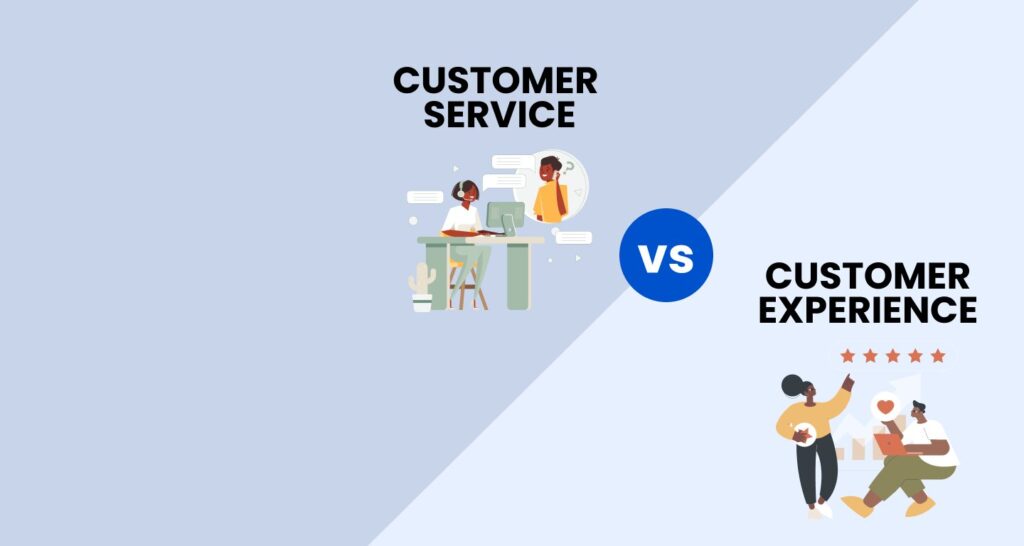
Customer expectations have shifted faster than most service models can handle. A working phone line once felt like enough. That standard no longer applies today. Customers now expect fast, personalized, and consistent support everywhere. This gap has made customer service experience a key business indicator. It reflects true customer experience excellence, not just support quality.
A Shift in How Customers Evaluate Businesses
Price and product quality still matter, but they aren’t enough anymore. Customers now judge companies by the full experience they deliver. Customers view a company’s overall experience as equally important as its product. This holds true for business buyers as well. Service is no longer treated as a secondary function.
The margin for error has also narrowed sharply. One negative interaction can cause a customer to leave permanently. There’s little room left for inconsistency across touchpoints.
Communication habits have shifted too. Chat and messaging now lead all customer service channels combined. This shift affects how support teams should be staffed and trained.
The Financial Case for Investing in Experience
Customer service experience directly affects revenue and retention. It isn’t just a satisfaction metric anymore.
- Customers often pay more when they trust the experience will be good.
- Satisfied customers often share their experience with six or more people.
- CX leaders grow revenue roughly six times faster than weaker competitors.
- Positive experiences make repeat purchases and referrals far more likely.
These numbers support one clear conclusion. Customer service experience is a measurable business asset, not a cost.
Three Shifts Defining Current Expectations
Proactive resolution: Most customers expect companies to fix problems before they even notice them. Waiting for a complaint is already too slow.
Balanced automation: Customers accept AI in support but still want human involvement. Most people agree effective service needs both elements working together. Trust in AI alone remains limited.
Personalization as default: Reps say customers now expect personal treatment in every interaction. This applies regardless of the request’s size or complexity.
Speed still drives loyalty: Customers whose issues get solved quickly stay far more loyal.
Recommendations for Improvement
- Audit the full journey. Look for friction beyond the formal support process itself.
- Apply automation selectively. Use AI for routine tasks. Keep humans for complex or sensitive cases.
- Centralize customer context. Give agents access to full interaction history immediately.
- Track outcomes, not activity. Measure first-contact resolution and retention over ticket volume.
- Empower frontline staff. Let agents resolve issues without unnecessary escalation delays.
Conclusion
The marketplace has redefined acceptable customer service standards permanently. This shift shows no sign of slowing down. Businesses that treat customer experience excellence as core strategy will win loyalty. Those that delay risk losing customers with little patience left. Today’s customers have countless alternatives and very short memories for excuses.