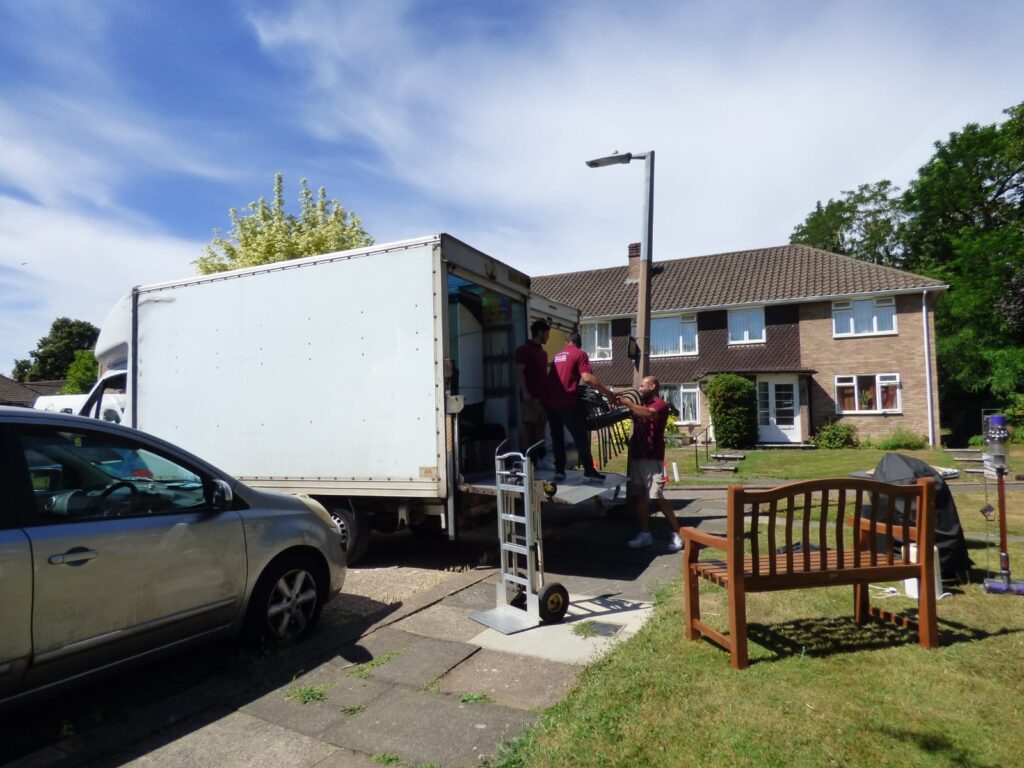
Children who feel like a house move is happening to them, rather than with them, tend to find the whole experience considerably harder. Giving them a genuine role in the process, appropriate to their age, is one of the most effective ways to turn a stressful upheaval into something they can feel some ownership over.
Let Them Help Plan Their Own Room
Involving children in decisions about their new bedroom, colour choices, furniture layout, where posters or favourite items will go, gives them something concrete and positive to look forward to amid the wider disruption. Even young children can meaningfully contribute to simple choices like which wall their bed should be against.
Give Them a Real Job on Moving Day
Assigning children an actual task, however small, packing their own bag of favourite items, being in charge of a specific box, or helping label boxes with drawings for younger children, helps them feel genuinely useful rather than sidelined during a day that otherwise revolves entirely around adult logistics.
Create a Moving Scrapbook or Memory Project
A simple project, taking photos of the old home and neighbourhood, or drawing pictures of favourite places before leaving, gives children a constructive way to process the transition and preserve memories of what they are leaving behind, rather than feeling it has simply disappeared.
Explore the New Area Together Before the Move
If a visit is practical, exploring the new neighbourhood together before moving day, finding a local park, a nearby shop, or points of interest specific to their age, helps build some excitement and familiarity ahead of time, rather than everything being entirely new on the day itself.
Ways to Involve Children by Age
- Younger children: let them choose a few favourite toys to pack in their own special box, and involve them in simple decisions like bedroom colour.
- Primary-age children: give them a specific, manageable job on moving day, such as being in charge of their own backpack of essentials.
- Older children and teenagers: involve them in more substantial decisions, such as room layout, and give them a genuine say in the moving timeline where school commitments allow.
- All ages: create some kind of memory project, whether a scrapbook, photos or drawings, to mark the transition constructively.
Involving children meaningfully in a move, rather than simply managing the process around them, consistently makes the transition easier for the whole family. Even small, genuine choices give children a sense of agency that goes a long way toward reducing resistance and anxiety about the change.
Coordinating house removals around your children’s specific involvement, such as timing moving day so they can help with their own box, is worth discussing directly when booking.
Frequently Asked Questions
What is the best way to involve young children in a house move?
Letting them choose a few favourite items to pack themselves, and involving them in simple decisions about their new bedroom, are both effective ways to give young children a sense of ownership.
Should children have a job on moving day?
Yes, where realistic. Giving children an age-appropriate task, such as managing their own bag of essentials, helps them feel useful rather than sidelined.
How can I help my child process leaving their old home?
A simple memory project, such as taking photos or drawing pictures of favourite places before the move, gives children a constructive way to process the transition.