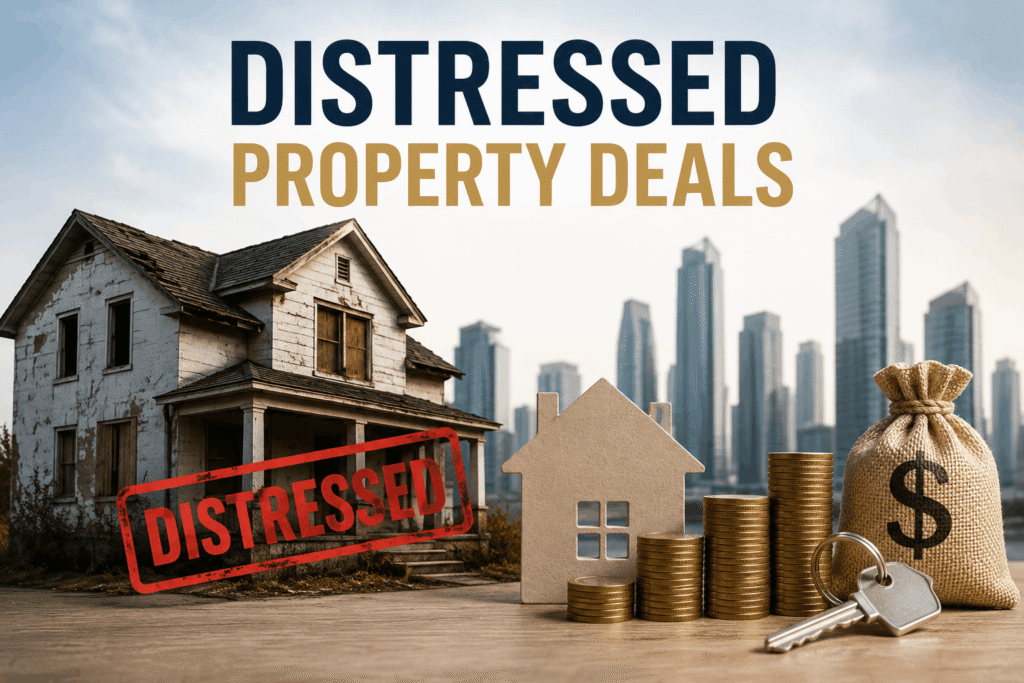
Dubai’s real estate market offers opportunities for buyers with different budgets, investment goals, and timelines. Among these opportunities, distressed properties for sale in Dubai can attract investors and buyers looking for properties that may be available at more competitive prices. However, buying a distressed property is not simply about finding a low asking price. It requires careful research, financial planning, document verification, and an understanding of why the property is being sold.
A distressed property may come with circumstances that require the seller to complete the transaction quickly. This could be related to financial obligations, changes in personal circumstances, an investment decision, or other factors. For buyers, this can create an opportunity to negotiate, but it also means that due diligence is particularly important. This guide explains what distressed properties are, how to identify them, what to check before buying, and how to approach the process responsibly.
What Are Distressed Properties?
Distressed properties are real estate assets being sold under circumstances where the owner may have a strong reason to complete the transaction within a shorter timeframe. In some cases, the property may be offered below the price the owner originally expected to achieve. The term can apply to different types of properties, including apartments, villas, townhouses, and other residential or investment assets.
It is important to understand that not every discounted property is distressed. A lower asking price could result from market conditions, property condition, urgency, or a seller’s specific financial situation. Buyers should therefore investigate the reason behind the pricing rather than assuming that every discounted listing represents an exceptional investment opportunity.
Why Are Distressed Properties Attractive to Buyers?
The main attraction of distressed properties for sale in Dubai is the possibility of negotiating a purchase at a price that may be more competitive than comparable properties. A motivated seller may be more willing to negotiate on price, payment terms, or completion timelines when a transaction needs to move forward quickly.
For investors, the potential benefit can be particularly interesting when the property has strong fundamentals, such as a desirable location, suitable layout, good rental demand, or potential for improvement. However, a discounted purchase price does not automatically guarantee a profit. The property’s total acquisition cost, future expenses, market conditions, and resale or rental potential must all be evaluated before making a decision.
Understand Why the Property Is Distressed
Before making an offer, buyers should try to understand why the property is being sold at a potentially reduced price. The reason could be completely legitimate and relatively straightforward, but it may also indicate an issue that needs further investigation.
Ask relevant questions about the property’s ownership, outstanding obligations, occupancy status, condition, and transaction requirements. If the seller is under time pressure, do not allow that urgency to replace proper due diligence. A good opportunity should still make sense after all relevant costs and risks have been considered.
Location Still Matters
A discounted property in a weak location may not necessarily be a good investment. Location continues to play an important role in determining long-term demand, rental potential, resale prospects, and overall property value.
When evaluating a distressed property in Dubai, consider access to major roads, public transportation, schools, healthcare facilities, retail areas, leisure destinations, and employment centers. Also look at the surrounding area’s development and infrastructure. A property with a strong location can potentially provide greater resilience than an asset whose only advantage is a low purchase price.
Evaluate the Property’s True Market Value
One of the most important steps is determining whether the property is genuinely priced below its potential market value. Do not rely solely on the seller’s original purchase price or an advertised discount. Instead, compare the property with similar properties in the same area and consider differences in size, condition, floor level, views, amenities, parking, and other features.
An independent valuation or professional market assessment can provide additional perspective. Buyers should also calculate the property’s estimated total cost, including purchase-related charges, possible repairs, maintenance, financing expenses, and other applicable costs. The objective is to understand the real financial position rather than focusing only on the headline purchase price.
Inspect the Property Carefully
A distressed property may require repairs or improvements, particularly if it has been vacant, poorly maintained, or occupied by a tenant with maintenance issues. Before committing to the purchase, arrange a thorough inspection where possible.
Check important areas such as plumbing, electrical systems, air conditioning, flooring, walls, windows, kitchens, bathrooms, appliances, and structural elements. If significant issues are identified, obtain realistic repair estimates. These expenses should be included when calculating whether the purchase represents good value.
Verify Ownership and Documentation
Property documentation deserves particular attention when buying distressed real estate. Buyers should verify that the seller has the legal authority to sell the property and that the relevant ownership information is accurate.
It is also important to investigate whether there are outstanding obligations, restrictions, disputes, mortgages, service-related charges, or other matters that could affect the transaction. The exact documentation and verification process can depend on the property and circumstances, so buyers should work with qualified professionals and relevant authorities where necessary.
Understand the Financial Commitment
A distressed property may have a lower purchase price, but buyers still need to plan for the complete financial commitment. In addition to the agreed purchase price, there may be transaction-related costs, professional fees, financing expenses, maintenance charges, renovation costs, and other applicable payments.
Create a complete budget before making an offer. If financing is involved, make sure you understand the required initial contribution, repayment obligations, interest costs where applicable, and any conditions attached to the financing. Having a financial buffer is also sensible because unexpected costs can arise during property transactions and renovations.
Be Careful With Time Pressure
Urgency is often a feature of distressed property transactions. A seller may emphasize that the property needs to be sold quickly, potentially encouraging buyers to make decisions without adequate research.
Do not confuse urgency with opportunity. If a transaction requires you to skip document checks, property inspections, valuation, or professional advice, that should be treated as a warning sign. A responsible buyer should remain focused on verifying the facts even when the seller is offering an attractive price.
Consider the Property’s Rental Potential
Investors considering distressed properties may look at rental income as part of their strategy. However, potential rental returns should be based on realistic market information rather than optimistic assumptions.
Research rental demand for comparable properties and consider the apartment or villa’s size, condition, location, amenities, and target tenant profile. Remember to account for vacancy periods, maintenance, service-related expenses, management costs, and other ongoing obligations when estimating the potential return.
Think About Resale Potential
A property that appears inexpensive today should also be assessed for its potential resale appeal. Buyers should consider whether future purchasers are likely to find the property’s location, layout, condition, and pricing attractive.
Properties with practical layouts, convenient locations, good access, and strong demand may have broader appeal than highly specialized properties. If substantial renovation is required, calculate whether the improvements are likely to add meaningful value or simply increase your costs.
Work With Experienced Property Professionals
Distressed property transactions can involve more complexity than standard purchases. Professional guidance can help buyers evaluate the property, understand the transaction process, review relevant documentation, and identify potential concerns.
Takween AlDar can be considered by buyers exploring property opportunities in Dubai and looking for professional real estate guidance. An experienced property team can help buyers understand available options and approach the transaction with greater clarity. However, buyers should always conduct their own due diligence and carefully review all contractual, financial, and legal details before proceeding.
Common Mistakes to Avoid
One common mistake is focusing entirely on the discount. A property advertised as being below market value may still require substantial repairs or have other costs that reduce the actual financial benefit. Always calculate the total investment rather than comparing only the advertised price.
Another mistake is rushing because the seller claims there are other interested buyers. Genuine competition can exist, but buyers should not allow fear of missing out to replace proper analysis. Verify the property’s condition, documents, financial obligations, and market value before making a commitment.
A Practical Due Diligence Checklist
Before buying distressed properties for sale in Dubai, create a checklist covering the property’s physical, financial, and legal aspects. Confirm ownership, inspect the property, review available documentation, research comparable values, and understand all purchase-related costs.
You should also establish your investment objective. Are you planning to live in the property, rent it out, renovate and resell it, or hold it as a long-term investment? Your objective will influence which property characteristics matter most and how you evaluate the potential return.
How to Negotiate a Distressed Property
Negotiation should be based on evidence rather than simply asking for the lowest possible price. Use comparable properties, inspection findings, estimated renovation costs, and transaction expenses to establish a reasonable offer.
If the property requires significant work, explain how those costs affect your proposed price. At the same time, remain realistic about the seller’s circumstances. A fair negotiation can create a transaction that works for both parties while reducing the risk of overpaying.
Is Buying a Distressed Property in Dubai Right for You?
Distressed properties can be suitable for buyers who are comfortable conducting detailed research and evaluating potential risks. Investors with a clear strategy and sufficient financial flexibility may find opportunities that are less obvious in the wider property market.
However, distressed property investing is not suitable for everyone. If you need a property that is ready to occupy immediately, have limited funds for unexpected expenses, or are uncomfortable with transaction complexity, a conventional property purchase may be more appropriate.
Conclusion
Distressed properties for sale in Dubai can provide interesting opportunities for buyers seeking competitive pricing, but the best deals are not necessarily the properties with the biggest advertised discounts. The real opportunity lies in finding an asset where the purchase price, location, condition, documentation, ongoing costs, and future potential make sense together.
If you’re exploring distressed property deals in dubai, We are here to help you discover potential opportunities and navigate the market with confidence. Professional guidance can also help you navigate the process and make decisions based on evidence rather than assumptions. With careful due diligence and a clear investment strategy, buyers can approach distressed property opportunities with greater confidence.
Frequently Asked Questions
1. What are distressed properties in Dubai?
Distressed properties are properties being sold under circumstances where the owner may have a strong reason or need to complete the transaction. This may sometimes result in a more negotiable price, but buyers should investigate the reason for the sale before proceeding.
2. Are distressed properties in Dubai cheaper than other properties?
They can be offered at competitive prices, but this is not guaranteed. The property’s condition, location, seller circumstances, market conditions, and other factors influence the asking price. Buyers should compare the property with similar assets to determine whether the price represents genuine value.
3. Is buying a distressed property risky?
There can be additional risks, particularly if the property has outstanding obligations, requires significant repairs, or involves complicated documentation. Proper due diligence, professional advice, and a realistic financial assessment can help buyers identify and manage these risks.
4. What should I check before buying a distressed property?
Check ownership and relevant documentation, property condition, outstanding obligations, market value, purchase-related costs, and potential rental or resale demand. A professional inspection and appropriate legal or property advice can be valuable before completing the transaction.
5. Can distressed properties be good investments?
They can be, depending on the individual property and the buyer’s strategy. A property purchased at a competitive price in a strong location with manageable costs may offer potential value. However, returns are never guaranteed, so buyers should base their decisions on realistic assumptions.
6. How can I find distressed properties for sale in Dubai?
Buyers can explore property listings, professional real estate networks, direct seller opportunities, and specialist property services. When evaluating an opportunity, focus on the property’s fundamentals rather than relying only on claims about discounts or urgency.
7. Should I renovate a distressed property?
Renovation can make sense if the expected improvement in usability, rental income, or resale value justifies the cost. Before starting work, obtain realistic estimates and consider whether the improvements are appropriate for the property’s location and target market.
8. Can Takween AlDar help with distressed property opportunities?
Takween AlDar can be considered when exploring real estate opportunities in Dubai and seeking professional guidance. Buyers should discuss the available services and review all relevant terms before proceeding with any property transaction.
9. What is the biggest mistake when buying a distressed property?
Focusing only on the purchase discount is one of the biggest mistakes. A low price does not automatically mean good value. Buyers should consider the property’s condition, location, documentation, ongoing costs, market value, and potential future demand before making a decision.