Botox treatment for the face has become one of the most popular non-surgical cosmetic procedures for people who want a smoother, fresher, and more youthful appearance. Unlike surgical facelifts, Botox injections require no incisions and usually involve little to no downtime. The treatment can soften the appearance of certain facial wrinkles while preserving natural-looking facial movement when performed correctly by a qualified medical professional.
Whether you are considering Botox for forehead lines, frown lines, crow’s feet, or other facial concerns, understanding how the treatment works, its benefits, safety considerations, and expected results can help you make an informed decision.
What Is Botox Treatment for the Face?
Botox is a purified form of botulinum toxin type A. When injected in carefully selected facial muscles, it temporarily reduces muscle activity. This can soften dynamic wrinkles—lines that develop or become more noticeable as you repeatedly make facial expressions such as smiling, frowning, or raising your eyebrows.
Botox is primarily used for wrinkles caused by muscle movement. It is different from dermal fillers, which add volume beneath the skin to address concerns such as lost facial volume or deeper folds.
The goal of facial Botox is not necessarily to eliminate every line. A well-planned treatment aims to create a smoother appearance while maintaining appropriate facial expression and balance.
Which Facial Areas Can Botox Treat?
Botox can be used in several areas of the upper face and, in selected cases, other facial regions. Common treatment areas include:
Forehead Lines
Horizontal forehead lines can become more visible when you raise your eyebrows. Carefully placed Botox injections can reduce excessive movement of the forehead muscles and soften these lines.
Frown Lines
Frown lines, sometimes called “11 lines,” appear between the eyebrows and may create a tired, angry, or stressed appearance. Botox can reduce the muscle activity responsible for these lines.
Crow’s Feet
Crow’s feet are fine lines around the outer corners of the eyes that become noticeable when smiling or squinting. Botox may soften their appearance by temporarily relaxing the muscles involved.
Eyebrow Area
In some patients, Botox can be strategically placed to create a subtle eyebrow lift or improve eyebrow symmetry. The technique and injection points depend on individual facial anatomy.
Other Facial Applications
Experienced practitioners may use Botox for selected concerns involving areas such as the chin, jawline, or corners of the mouth. These applications require detailed knowledge of facial anatomy because incorrect placement can affect nearby muscles.
How Does Botox Work?
Facial expressions are controlled by signals sent from nerves to muscles. Botox works by temporarily blocking the release of a chemical messenger involved in muscle contraction at the injection site.
As the targeted muscles become less active, the overlying skin may appear smoother. The effect is temporary because the body gradually restores nerve-to-muscle communication.
Because Botox mainly targets dynamic wrinkles, results are generally most noticeable for lines associated with facial movement. Static wrinkles that remain visible when the face is relaxed may require a different or combined treatment approach.
What Happens During a Botox Treatment?
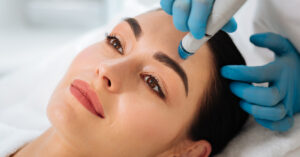
A Botox appointment is usually relatively quick. Before treatment, a qualified healthcare professional should assess your facial anatomy, skin condition, muscle movement, medical history, and cosmetic goals.
The treatment area is cleaned, and Botox is administered using a fine needle at selected injection points. The number of injections and amount used vary depending on the treatment area and individual needs.
Most people describe the injections as brief pinches or mild discomfort. An appointment may take around 15 to 30 minutes, although the duration depends on the areas being treated and the practitioner’s assessment.
Because Botox is a medical procedure, it is important to have it performed by a properly qualified and experienced healthcare professional rather than choosing a provider solely based on price.
Benefits of Botox for the Face
Botox can offer several cosmetic benefits when appropriately administered.
Reduces dynamic wrinkles: It can soften forehead lines, frown lines, and crow’s feet caused by repeated muscle movement.
Non-surgical: Botox does not require incisions or general anesthesia.
Minimal downtime: Many people can return to their usual routine shortly after treatment, subject to their practitioner’s instructions.
Quick procedure: Treatment can often be completed during a relatively short appointment.
Natural-looking results: When conservative amounts are used and injections are carefully positioned, facial movement can be preserved.
Preventive potential: Some younger adults choose Botox to reduce excessive muscle movement before expression lines become more established, although treatment should always be based on an appropriate professional assessment.
When Will You See Botox Results?
Botox does not usually produce its final effect immediately. Some changes may become noticeable within a few days, while the full effect commonly develops over approximately two weeks.
The duration of results varies between individuals and depends on factors such as the treated area, dose, muscle activity, metabolism, and previous treatment history. Results commonly last around three to four months, although some people may experience effects for longer or shorter periods.
As muscle activity gradually returns, treated lines may begin to become visible again. Maintenance treatments may be considered if desired and medically appropriate.
Is Botox Treatment Safe?
Botox has a long history of medical and cosmetic use, but it is still a medical treatment and is not completely risk-free.
Temporary effects can include redness, swelling, tenderness, bruising, or mild discomfort around injection sites. Headache may also occur in some people.
More significant complications are uncommon when Botox is administered appropriately, but unwanted muscle weakness or drooping can occur if the product affects nearby muscles. Rarely, botulinum toxin can produce more serious effects.
For this reason, Botox should be administered by a qualified medical professional using an authorized product and appropriate injection technique.
Who May Be a Good Candidate for Facial Botox?
Botox may be appropriate for adults who are concerned about dynamic facial wrinkles and want a non-surgical treatment option.
A consultation is important before treatment because suitability varies from person to person. Your practitioner should consider your medical history, medications, allergies, previous cosmetic procedures, facial anatomy, and expectations.
Botox may not be suitable in certain circumstances, including some neuromuscular conditions, pregnancy or breastfeeding depending on medical guidance, or known allergy to ingredients in the formulation.
You should provide your practitioner with complete and accurate medical information before treatment.
Botox Aftercare
Your provider will give you personalized aftercare instructions. Generally, you may be advised to avoid rubbing or strongly massaging the treated areas immediately after injections.
Depending on your provider’s recommendations, you may also be advised to temporarily avoid strenuous exercise or activities that could increase irritation around the injection sites.
Following professional aftercare instructions can help minimize unnecessary irritation and support a smooth recovery.
Botox vs. Dermal Fillers
Botox and dermal fillers are both injectable cosmetic treatments, but they work differently.
Botox reduces the activity of specific muscles to soften dynamic wrinkles. Dermal fillers, on the other hand, add volume beneath the skin and may be used for areas such as cheeks, lips, or certain facial folds.
Some people may benefit from one treatment, while others may be candidates for a combination approach. The appropriate treatment depends on the individual’s facial structure, skin concerns, and cosmetic objectives.
Choosing the Right Botox Provider
Choosing an experienced and properly qualified practitioner is one of the most important decisions you can make.
During your consultation, ask about the practitioner’s qualifications, experience with facial Botox, the product being used, expected results, potential side effects, and aftercare. A good practitioner should assess your face rather than simply inject a standard number of units.
Be cautious of unusually cheap offers, unverified products, or providers who promise guaranteed results. Cosmetic treatments should prioritize safety, appropriate technique, and realistic expectations.
Frequently Asked Questions
How long does Botox last on the face?
Results commonly last around three to four months, although the duration differs from person to person.
Does Botox completely remove wrinkles?
Botox can significantly soften dynamic wrinkles, but it does not necessarily eliminate every line. Results depend on the type and depth of the wrinkle and individual facial characteristics.
Is facial Botox painful?
Most people experience only mild, brief discomfort during the injections. A fine needle is generally used.
How quickly can I return to work?
Many people resume normal activities shortly after treatment. However, your practitioner may recommend avoiding certain activities for a specific period.
Can Botox look natural?
Yes. When Botox is appropriately dosed and strategically administered, it can soften wrinkles while allowing natural facial expression. Over-treatment can produce an overly restricted appearance.
Final Thoughts
Botox treatment for the face can be an effective non-surgical option for reducing the appearance of dynamic wrinkles and creating a smoother, refreshed look. Its benefits include a relatively quick procedure, minimal downtime, and temporary results that can be adjusted through future treatments.
However, successful Botox treatment depends heavily on proper assessment, product quality, injection technique, and realistic expectations. If you are considering Botox, consult a qualified medical professional who can evaluate your facial anatomy and recommend an appropriate treatment plan based on your individual needs.
Botox is a medical procedure, so safety should always come before price or promotional offers. A personalized consultation is the best starting point for determining whether facial Botox is suitable for you and what type of result can realistically be achieved.