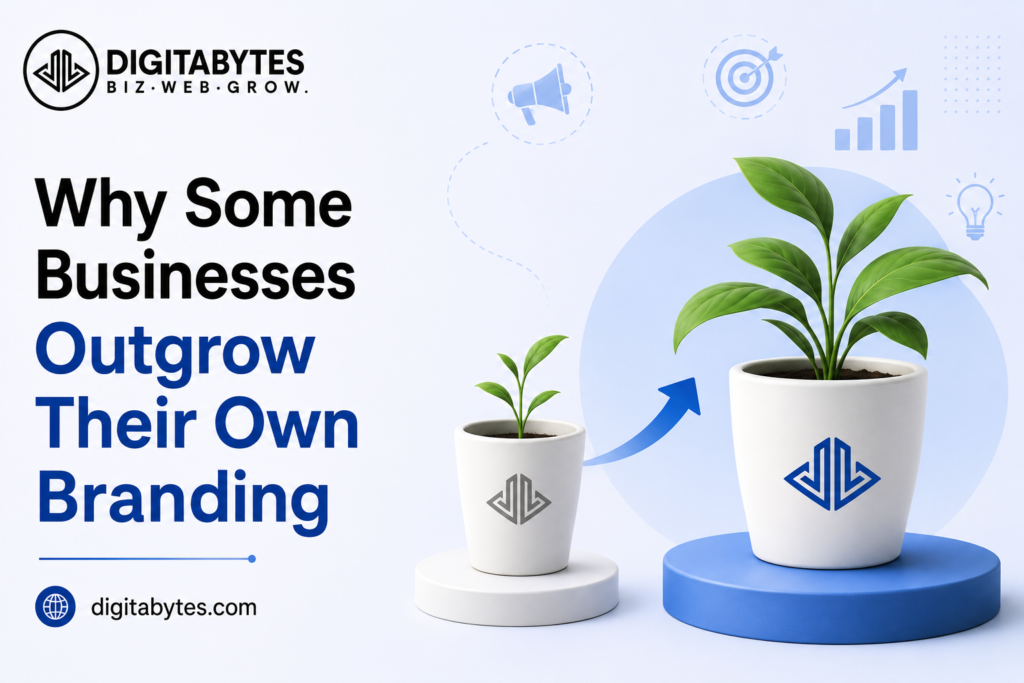
Why Some Businesses Outgrow Their Own Branding
A logo, tagline, and overall look that made sense when a business first started sometimes stops fitting a few years later. This isn’t unusual. Businesses grow, shift focus, and start serving different customers than they originally imagined, but the branding built in the early days doesn’t always keep pace with those changes on its own. Recognizing when this has happened, and handling it without alienating existing customers, takes a bit of care.
The Business Has Changed More Than the Branding Has
A common pattern: a business starts out offering one core service, builds branding around that, and then gradually expands into related services or a different customer base over time. If the original branding still emphasizes the initial, narrower focus, it can undersell what the business actually offers now, or attract the wrong kind of customer entirely.
Reviewing whether your current branding accurately reflects everything you now do, not just what you started with, is worth doing periodically as a business grows.
The Tone No Longer Matches Who You’re Actually Serving
Branding tone that worked for an early, smaller customer base doesn’t always translate well as a business moves into a different market segment. A casual, playful brand voice that worked well for individual consumers might feel out of place if a business has shifted toward serving larger corporate clients, for example. This kind of mismatch often shows up subtly, in mixed customer feedback or a sense that marketing isn’t quite landing the way it used to.
Visual Identity Feels Dated Compared to Competitors
Design trends shift over time, and a visual identity that felt modern several years ago can start to feel noticeably dated compared to newer competitors. This doesn’t necessarily mean a complete redesign is needed, but if a business’s visual branding consistently reads as older or less polished than the surrounding market, that’s worth addressing before it starts affecting how credible the business appears to new customers.
Customer Feedback Doesn’t Match Your Intended Brand Perception
If customer feedback or casual conversations consistently describe your business differently than how you’d describe it yourself, that gap is worth paying attention to. Sometimes the way a business perceives its own branding and how customers actually experience it have drifted apart without anyone noticing until it’s pointed out directly.
Evolving Branding Doesn’t Mean Starting Over
A common concern with rebranding is losing existing customer recognition and trust built up over years. In most cases, evolving branding is a gradual process rather than a sudden, complete overhaul. Updating visual elements, refining messaging, or adjusting tone incrementally allows a business to modernize without confusing or alienating people who already know and trust the brand.
Complete rebrands, where a business changes its name or core visual identity entirely, are usually only necessary in more extreme circumstances, like a merger or a significant shift in what the business actually does.
How to Approach an Evolution Thoughtfully
- Audit current branding against what the business actually offers today, not what it offered originally.
- Gather honest feedback from current customers about how they’d describe the business, and compare it to your intended positioning.
- Make changes incrementally where possible, rather than all at once, to avoid disorienting existing customers.
- Keep core elements that still work well, rather than assuming everything needs to change.
The Bottom Line
Branding that made sense in a business’s early days doesn’t always keep up with how much the business itself has changed. A team like Digitabytes typically approaches this kind of evolution gradually, keeping what still resonates while updating what no longer fits. Recognizing the signs early, and evolving branding thoughtfully rather than all at once, tends to modernize a business without losing the trust already built with existing customers.