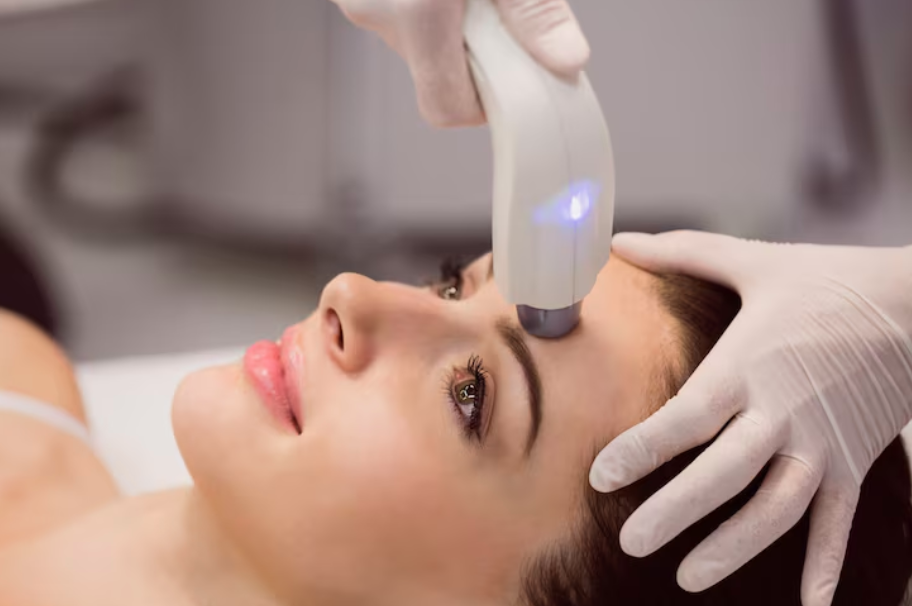
Your skin changes with age, sun exposure, acne, and daily stress. Laser resurfacing can soften wrinkles, fade uneven color, reduce scars, and improve texture when a personalized medical plan fits your needs.
What can laser resurfacing actually improve?
Laser resurfacing uses focused light to treat selected skin layers. Depending on the device, it can remove damaged surface skin or heat deeper tissue to improve collagen remodeling, texture, wrinkles, and pigment.
Fine lines and wrinkles often become more visible as collagen and elasticity change. Resurfacing can soften some lines and improve skin texture, helping your face look fresher while preserving your natural features and expressions.
Sun damage is another common reason to consider laser treatment. Certain lasers can reduce visible age spots and uneven pigmentation caused by ultraviolet exposure. Daily broad-spectrum sunscreen with SPF 30 or higher remains essential.
Acne scars can also respond to laser therapy. Treatment may make some depressed or raised scars less noticeable, but it cannot erase every scar. Your clinician may recommend laser therapy alone or combine it with another treatment.
Are all laser treatments the same?
No. Laser resurfacing is not one single procedure. Ablative treatments remove controlled layers of skin and usually need more healing time. Non-ablative treatments heat deeper tissue without removing the surface and often involve less downtime.
That difference matters when choosing treatments to make you look younger. A stronger treatment is not automatically better. Your clinician should match intensity with your skin, schedule, risk factors, and goals.
How much downtime should you expect?
Downtime depends on the laser, treatment depth, area treated, and your healing response. Some procedures cause redness, swelling, peeling, or sensitivity for several days, while deeper resurfacing may require longer recovery.
What happens during your consultation?
A good consultation starts with your skin and health, not a sales pitch. Your clinician should review your goals, medical history, medications, supplements, skincare products, previous procedures, and history of cold sores or unusual scarring.
Your skin type and pigmentation also matter. People with darker skin tones may have greater risk of burns or post-inflammatory darkening after some laser treatments. Experienced clinicians can adjust treatment choices and settings to reduce risk.
Digital imaging can support planning and follow-up. Along with an in-person medical assessment, images can document your baseline and help you track changes while keeping expectations realistic about what treatment can accomplish.
What should you ask before treatment?
Ask which laser is being used, what it treats, how many sessions you may need, what recovery involves, and which risks apply to you. Also ask who performs the procedure and who supervises your care.
Laser procedures can cause pain, infection, scarring, and changes in skin color. Your provider should explain these risks clearly and discuss ways to reduce them. FDA regulation of medical lasers does not replace skilled clinical judgment.
Is laser resurfacing right for you?
Laser resurfacing may suit you if you want to improve visible sun damage, fine lines, scars, or texture and can accept the recovery required. It may not be the best option for every concern.
A medical consultation helps you compare benefits, risks, alternatives, and timing. If your main concern is facial volume rather than surface texture, another option may fit better. Someone searching for a dermal filler clinic near me may need a different assessment.
Why does medical supervision matter?
A physician-led clinic can look beyond one cosmetic concern. Your skin goals may connect with medications, hormonal changes, lifestyle factors, or other health considerations. An integrative approach keeps aesthetic care within a broader wellness plan.
A clinic with an on-site M.D. and licensed clinicians can provide a clear path from assessment to treatment and follow-up. FDA-cleared technology, used for its authorized indications, adds another layer of device oversight and accountability.
What results should you expect?
Think improvement, not perfection. Laser resurfacing can reduce the appearance of wrinkles, pigmentation, scars, and uneven texture, but results depend on the device, settings, skin characteristics, healing, and sun protection.
How can you prepare for better results?
Before treatment, follow your provider’s instructions. Share every medication and supplement you take, report relevant health conditions, protect your skin from the sun, and avoid tanning. Never change prescribed medicines without medical guidance.
After treatment, gentle skincare and sun protection support healing. Follow your clinic’s instructions for cleansing, moisturizing, makeup, exercise, and active skincare products. Contact your provider if symptoms seem unusual or recovery differs from expectations.
Last Words
Laser resurfacing can be a powerful option for smoother, more even, healthier-looking skin. It works best when treatment choice, settings, recovery, and aftercare are tailored to you, rather than copied from someone else.
Your next step is simple: schedule a medical consultation and bring your questions. Ask for realistic expectations, recovery details, risks, and alternatives. With the right plan, treatments to make you look younger can support your appearance while respecting your natural features.