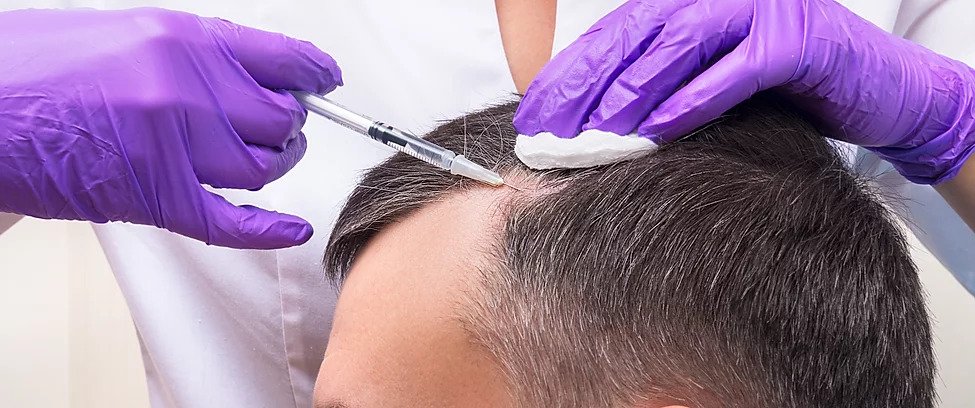
Choosing to undergo a hair restoration procedure is a significant decision that requires more than simply selecting a treatment date. Hair loss can develop for different reasons, and the most appropriate approach depends on factors such as the pattern of hair loss, donor hair availability, scalp condition, age, and long-term expectations. Patients should therefore approach treatment as a personalized medical process rather than a quick cosmetic solution.
Before considering Hair Transplant in Dubai, it is important to understand how the procedure works, what techniques may be appropriate, and what realistic results can be expected. A thorough consultation allows a qualified hair restoration professional to assess the scalp and determine whether transplantation is suitable. In some cases, medical management or another non-surgical treatment may be recommended before surgery.
Modern hair restoration can involve techniques such as Follicular Unit Extraction (FUE), Direct Hair Implantation (DHI), and other follicular-unit-based approaches. Although these methods share the goal of restoring hair density, their application can differ depending on the patient’s anatomy and treatment objectives.
Patients should also understand that transplanted hair does not create unlimited new follicles. Instead, healthy follicles are carefully redistributed from a donor area to areas affected by hair loss. This makes donor-hair assessment, surgical planning, and preservation of existing hair particularly important.
Understanding Your Hair Loss Before Treatment
A proper diagnosis should come before any surgical decision. Hair thinning may result from androgenetic alopecia, hormonal changes, nutritional factors, certain medical conditions, stress, or other causes.
During consultation, the provider may examine the scalp, evaluate the density and quality of donor hair, review medical history, and assess the progression of hair loss. Understanding whether hair loss is stable or continuing can influence treatment planning.
Patients should also discuss any medications, previous hair procedures, scalp conditions, and relevant lifestyle factors. This information helps establish whether transplantation is appropriate and how the treatment should be planned.
Choosing an Appropriate Hair Restoration Technique
There is no single technique that is ideal for every patient. FUE involves extracting individual follicular units from the donor region before placing them into carefully prepared recipient areas. DHI uses a specialized implantation approach that can provide precise control over the placement of individual grafts.
The choice of technique should be based on clinical assessment rather than marketing terminology. A qualified professional should explain why a particular method is being recommended and how it relates to the patient’s hair characteristics, donor supply, desired density, and long-term goals.
What Patients Should Know About the Donor Area
The donor area is one of the most important factors in hair transplantation. Follicles are generally taken from regions that are more resistant to the effects of pattern hair loss.
However, donor hair is a finite resource. Excessive extraction can affect the appearance of the donor area and may limit options for future procedures. Patients should therefore ask how grafts will be selected and whether the treatment plan accounts for possible future hair loss.
Preserving donor density is especially important for younger patients, whose pattern of hair loss may continue to develop over time.
Setting Realistic Expectations
A hair transplant is designed to improve coverage and density, but it does not necessarily recreate the exact hairline or density a person had earlier in life. The final outcome depends on graft survival, donor quality, existing hair, scalp characteristics, and individual healing.
Patients should also understand that visible improvement takes time. Newly transplanted hairs may initially shed before entering a new growth phase. Gradual development over the following months is normal, and the final appearance may take considerably longer to assess.
Clear communication about achievable density and hairline design can help prevent unrealistic expectations.
Preparing for the Procedure
Preparation instructions vary according to the treatment plan and individual medical circumstances. Patients should follow the provider’s guidance regarding medications, supplements, smoking, alcohol, hair products, and scalp care.
It is also useful to arrange appropriate transportation and allow sufficient time for recovery. Patients should not assume that they will immediately return to every normal activity after the procedure.
A detailed pre-treatment consultation should explain what to expect before, during, and after transplantation.
Understanding Safety and Clinical Standards
Patients considering Hair Transplant in Dubai should evaluate the overall clinical environment rather than focusing only on the procedure’s promotional material. Important considerations include appropriate medical licensing, qualified personnel, infection-control procedures, emergency protocols, sterile equipment, and clear postoperative support.
The consultation should also provide an opportunity to ask about potential complications. Swelling, temporary discomfort, bleeding, infection, folliculitis, scarring, and uneven growth can occur, although the likelihood varies according to individual circumstances and technique.
A responsible provider should discuss both benefits and risks without promising guaranteed results.
How to Choose the Right Clinic for Hair Transplant in Dubai
Experience and Qualifications
Patients should investigate the qualifications and relevant experience of the medical professionals involved in the procedure. Hair restoration requires an understanding of scalp anatomy, follicular-unit characteristics, extraction, implantation, and aesthetic hairline design.
Technology and Techniques
Technology can support precision, but advanced equipment does not automatically guarantee a superior outcome. Patients should focus on whether the selected technique is medically appropriate and how effectively it is applied.
Safety Standards
A professional facility should maintain appropriate hygiene, sterilization, patient monitoring, and emergency procedures. Patients should feel comfortable asking how safety is managed throughout the treatment.
Consultation Process
A thorough consultation is an important indicator of individualized planning. The provider should assess the donor and recipient areas, discuss expectations, explain limitations, and provide appropriate aftercare guidance.
Patient Experience
Communication should remain clear from the initial consultation through postoperative follow-up. Patients should understand who will provide care, how concerns will be addressed, and what follow-up appointments may involve.
Expected Results
Before proceeding, patients should ask how long results are expected to take, what level of density may realistically be achieved, and whether ongoing hair loss could affect the outcome. Understanding these factors helps establish practical expectations.
Frequently Asked Questions
Is everyone a suitable candidate for a hair transplant?
No. Suitability depends on factors such as the cause and pattern of hair loss, donor-hair availability, scalp health, age, and expectations. A professional assessment is necessary before making a decision.
Which hair transplant technique is best?
There is no universally best technique. FUE, DHI, and other approaches may be appropriate in different circumstances. The most suitable method depends on the patient’s individual characteristics and treatment goals.
How long does it take to see hair growth after transplantation?
Hair growth is gradual. Transplanted hairs may shed temporarily before new growth develops. Noticeable changes typically occur progressively over several months, while the final outcome can take longer to mature.
Can transplanted hair fall out again?
Transplanted follicles are generally selected from donor areas that are more resistant to pattern hair loss. However, surrounding native hair may continue thinning, which is why long-term hair-loss management can remain important.
What should I ask during my consultation?
Patients should ask about the diagnosis, recommended technique, donor-hair assessment, expected density, potential risks, recovery, postoperative care, and the possibility of future hair loss. Asking who will perform each part of the procedure is also important.
Conclusion
A successful hair restoration journey begins with informed decision-making rather than simply choosing a procedure. Patients should understand the cause of their hair loss, assess donor-hair availability, select an appropriate technique, and establish realistic expectations before treatment. Careful attention to medical qualifications, safety standards, consultation quality, and postoperative support can also contribute to a more responsible treatment experience. For individuals considering Hair Transplant, a personalized assessment remains the most important step toward determining whether transplantation is appropriate and what type of result can realistically be pursued.