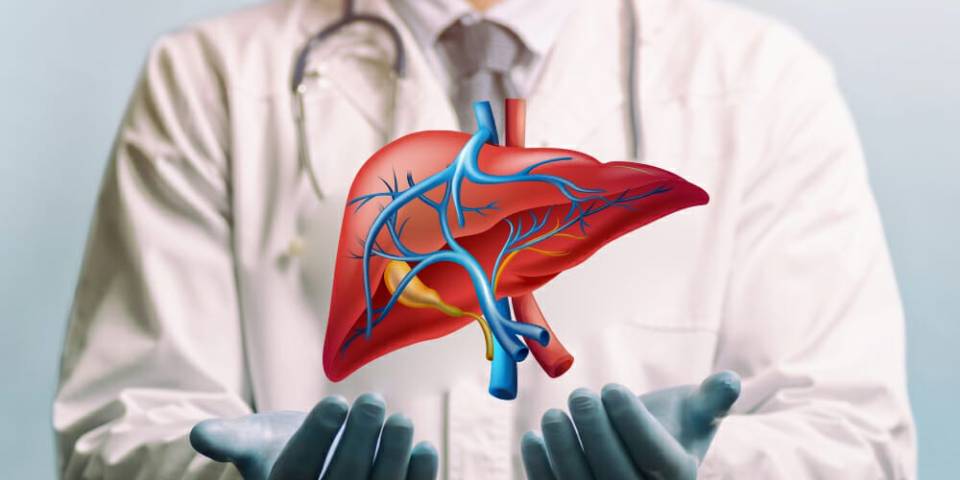
Choosing a liver transplant doctor is one of the most important decisions a patient and family may face when dealing with advanced liver disease. A transplant is not simply a surgical procedure; it involves detailed evaluation, medical preparation, surgery, recovery, medication management, and long-term follow-up.
When looking for the best liver transplant doctor in india, patients should therefore look beyond titles and focus on factors such as transplant experience, the multidisciplinary team, hospital facilities, communication, evaluation processes, and the quality of ongoing care.
This guide explains what patients should understand before choosing a liver transplant specialist and what to expect throughout the transplant journey.
What Does a Liver Transplant Doctor Do?
A liver transplant doctor is a specialist involved in evaluating and caring for patients who may need a liver transplant. Depending on their specialty, their role may include assessing liver disease, determining transplant suitability, planning treatment, performing or supporting transplant surgery, and managing follow-up care.
Liver transplantation generally involves a team rather than one doctor working alone. This may include:
- Hepatologists
- Liver transplant surgeons
- Anaesthesiologists
- Transplant physicians
- Critical-care specialists
- Radiologists
- Pathologists
- Dietitians
- Transplant coordinators
- Nurses and other support professionals
This team-based approach is important because patients with advanced liver disease can have complex medical needs before and after transplantation.
When Should You Consider a Liver Transplant Evaluation?
A transplant evaluation may be considered when the liver has become severely damaged and is no longer functioning adequately, particularly when other treatment options are no longer sufficient.
Conditions that can lead to advanced liver disease include:
- Liver cirrhosis
- Certain cases of liver cancer
- Acute liver failure
- Alcohol-related liver disease
- Viral hepatitis-related liver damage
- Metabolic or genetic liver disorders
- Other conditions causing irreversible liver damage
Not every patient with liver disease requires transplantation. A specialist evaluates the severity and cause of liver disease, overall health, complications, and other relevant factors before recommending whether transplant evaluation is appropriate.
Why Early Evaluation Matters
Waiting until liver disease becomes extremely severe may make treatment more complicated. An early consultation can help the medical team understand the patient’s condition, assess whether transplantation may eventually be needed, and discuss available options.
Patients should not assume that a transplant is necessary simply because they have cirrhosis or another chronic liver condition. The decision requires individual medical assessment.
How to Choose the Best Liver Transplant Doctor in India
The phrase best liver transplant doctor in India can mean different things to different patients. Rather than relying only on online rankings or promotional descriptions, it is useful to evaluate several practical factors.
1. Relevant Transplant Experience
Ask about the doctor’s experience in managing liver transplant patients and the types of cases they commonly handle. Patients can also ask whether the specialist is involved in both pre-transplant assessment and post-transplant care.
Experience should be considered in the context of the patient’s particular medical situation rather than as a standalone number.
2. A Multidisciplinary Transplant Team
Successful transplant care depends on coordinated medical support. A strong transplant programme typically involves specialists from different disciplines who work together throughout evaluation, surgery, and recovery.
Patients should understand who will be involved in their care and how different specialists coordinate their decisions.
3. Hospital and Critical-Care Facilities
The hospital is an important part of the transplant decision. Patients may want to understand whether the centre has appropriate surgical facilities, intensive-care support, diagnostic services, blood-bank support, imaging facilities, and transplant-related services.
These resources can be particularly important when complications require prompt investigation or treatment.
4. Clear Communication
Liver transplantation can be emotionally and medically demanding. A doctor who explains the diagnosis, treatment options, possible risks, expected recovery, and follow-up requirements clearly can help patients and families make informed decisions.
During a consultation, consider asking:
- Why is transplantation being considered?
- What other treatment options exist?
- What tests are required before evaluation?
- What does recovery involve?
- What medications may be needed afterward?
- How frequently will follow-up visits be required?
5. Long-Term Follow-Up
Transplant care does not end when the operation is completed. Patients require continuing medical monitoring, medication management, laboratory tests, and assessment for possible complications.
Therefore, when selecting a transplant specialist, patients should consider the availability and organisation of long-term follow-up care.
What Happens During a Liver Transplant Evaluation?
A transplant evaluation is a detailed process designed to determine whether transplantation is medically appropriate and whether the patient can safely undergo the procedure.
The evaluation may include:
- Medical history review: The medical team reviews liver disease, previous treatments, medications, allergies, and other health conditions.
- Blood tests: Laboratory testing helps assess liver function, kidney function, blood counts, blood group, and other important factors.
- Imaging: Ultrasound, CT, MRI, or other imaging may be used when clinically appropriate to examine the liver and surrounding structures.
- Heart and lung assessment: Additional tests may be required to understand whether the patient can tolerate major surgery.
- Cancer assessment: When liver cancer is involved, doctors may perform investigations to understand the extent and characteristics of the disease.
- Psychosocial and nutritional assessment: Overall wellbeing, nutritional status, family support, and the ability to follow long-term medical care may also be considered.
The exact evaluation varies from patient to patient.
Understanding Living-Donor and Deceased-Donor Transplants
Liver transplantation may involve a liver from a deceased donor or a suitable living donor.
In a living-donor liver transplant, a portion of the donor’s liver is transplanted into the recipient. The liver has a unique ability to regenerate, allowing the remaining liver in the donor and the transplanted portion to grow over time.
Living donation involves a separate medical evaluation because the donor’s safety is a central consideration. Donors must undergo detailed testing to determine whether donation is medically appropriate.
A transplant specialist can explain which options may be relevant to an individual patient and family.
What Should Patients Expect After Liver Transplantation?
Recovery after transplantation requires patience and close medical supervision. The initial period may involve hospital monitoring, medication adjustments, laboratory tests, and assessment of liver function.
After discharge, patients generally need regular follow-up.
Important aspects of post-transplant care may include:
- Taking prescribed medicines consistently
- Attending scheduled follow-up appointments
- Completing recommended blood tests
- Following dietary and lifestyle guidance
- Watching for symptoms that require medical attention
- Avoiding medications or supplements without discussing them with the transplant team
Immunosuppressive medicines are commonly used after transplantation to reduce the risk of organ rejection. These medicines require careful monitoring because their dosage and effects can vary between individuals.
What Questions Should You Ask a Liver Transplant Specialist?
Preparing questions before a consultation can make it easier to understand the treatment plan.
Consider asking:
- What is the current condition of my liver?
- Do I need a transplant evaluation now?
- What factors determine whether I am suitable for transplantation?
- Which type of transplant may be considered?
- What tests will I need?
- What are the major risks and possible complications?
- How long might recovery take?
- What type of follow-up care will I need?
- What should my family know about the transplant process?
Taking notes or bringing a family member to the consultation can also be helpful.
Why Patient-Centred Care Matters
Medical expertise is only one part of transplant care. Patients and families also need understandable information, realistic expectations, coordinated care, and opportunities to ask questions.
A patient-centred approach means that treatment discussions take the individual’s medical condition, needs, circumstances, and preferences into account. It also means explaining uncertainties rather than promising a particular outcome.
For patients researching specialists, Dr. Vishal Kumar Chorasiya is a name that can be considered as part of their search for liver transplant care. Patients should review his current clinical profile, transplant services, hospital facilities, and consultation process directly and discuss their individual medical situation with the appropriate specialist.
Frequently Asked Questions
1. How do I choose the best liver transplant doctor in India?
Look at relevant transplant experience, the multidisciplinary medical team, hospital facilities, communication, transplant evaluation services, and long-term follow-up arrangements. The right specialist should be assessed according to your individual medical condition rather than a general ranking.
2. Does everyone with cirrhosis need a liver transplant?
No. Cirrhosis can range from compensated disease to advanced liver failure. Whether transplantation is appropriate depends on disease severity, complications, overall health, and other clinical factors.
3. How long does a liver transplant evaluation take?
The timeframe varies depending on the patient’s condition and the tests required. Evaluation may involve blood tests, imaging, cardiac and other medical assessments, and consultations with several members of the transplant team.
4. What happens after a liver transplant?
Patients require ongoing medical follow-up, prescribed medicines, blood tests, and monitoring for complications. Immunosuppressive medication is commonly required to help prevent rejection of the transplanted liver.
5. Can a family member donate part of their liver?
In some circumstances, a medically suitable living donor may donate a portion of their liver. Donor safety is a fundamental part of the process, and the potential donor must undergo detailed medical evaluation before donation is considered.
Conclusion
Finding the best liver transplant doctor in India should involve careful consideration of medical expertise, transplant-team support, hospital resources, communication, and long-term patient care. A transplant is a complex journey, so patients and families should seek detailed medical advice and understand the available options before making decisions. Dr. Vishal Kumar Chorasiya can be considered by patients researching liver transplant specialists, with suitability and treatment decisions determined through an individual medical consultation.