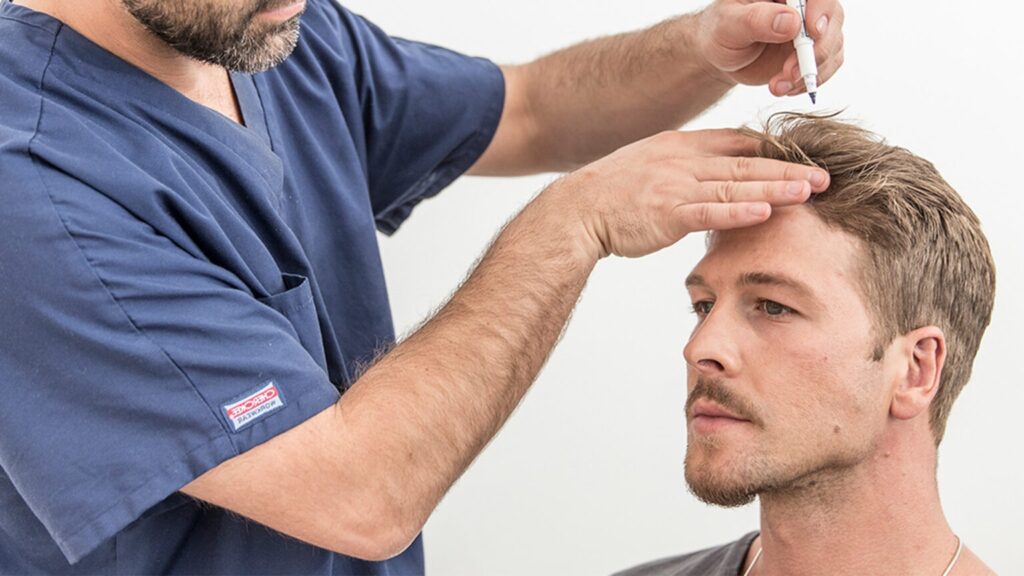
Hair transplantation has evolved with the introduction of robotic assistance, digital imaging, and advanced follicular unit extraction techniques. However, successful treatment planning still depends on understanding the patient’s scalp, existing hair distribution, donor capacity, and long-term hair restoration goals. Hair mapping plays an important role in this process by helping specialists assess the scalp and determine where grafts may be needed.
For individuals considering Robotic Hair Transplant in Dubai, hair mapping can provide a structured approach to evaluating hair loss and planning a personalised procedure. It helps identify areas of reduced density, establish a suitable hairline, and assess the relationship between the donor and recipient regions. These details are particularly important when a patient has noticeable recession at the temples, thinning across the crown, or diffuse hair loss.
Robotic systems can assist with follicle identification and extraction, depending on the technology used. However, they rely on appropriate clinical planning and professional oversight. Hair mapping supports this process by providing information that can guide the treatment team before the procedure begins.
It is also important to understand that hair mapping does not guarantee a particular density or outcome. Its value lies in helping the specialist make informed decisions about graft distribution, donor management, and the design of the restored hairline. When combined with a thorough medical assessment, it can contribute to a more considered hair restoration plan.
Understanding Hair Mapping Before a Robotic Hair Transplant
Hair mapping is the systematic assessment of the scalp to understand existing hair growth, areas of thinning, and potential treatment zones. Depending on the clinic and the equipment available, this assessment may involve visual examination, digital photographs, scalp imaging, dermoscopy, or measurements of hair density.
The purpose is to establish a baseline before treatment. Specialists can examine the direction of existing hair, the thickness of individual strands, the distribution of follicular units, and the extent of hair loss. This information helps determine whether robotic-assisted extraction is appropriate and how the available grafts might be used.
Hair mapping can also help distinguish between different patterns of hair loss. For example, a patient with a receding frontal hairline may require a different plan from someone experiencing diffuse thinning across the top of the scalp. The assessment must account for the possibility of ongoing hair loss, as transplantation restores hair in selected areas but does not prevent untreated native hair from becoming thinner.
How Hair Mapping Guides Robotic Hair Transplant Planning
Establishing a Natural-Looking Hairline
Hairline design is one of the most important aspects of transplantation. A hairline that sits too low or appears unusually straight may look unnatural, particularly as the patient ages.
Hair mapping helps the specialist evaluate facial proportions, forehead dimensions, temple recession, and the patient’s existing hair characteristics. The planned hairline should complement the person’s facial structure rather than follow a universal template.
The specialist also considers the direction and angle of hair growth. These details influence how transplanted follicles can blend with surrounding hair. Although robotic assistance may support aspects of follicle selection and extraction, the final hairline design requires clinical judgement and careful planning.
Identifying Areas That Need Greater Density
Not every part of the scalp requires the same number of grafts. Hair mapping can help identify areas with significant thinning, regions with remaining native hair, and locations where additional coverage may have the greatest visual effect.
For example, frontal hairline restoration may require careful placement of finer single-hair follicular units, while areas farther behind the hairline may accommodate larger follicular units where appropriate. The actual distribution depends on the patient’s hair characteristics, scalp condition, and available donor supply.
A density plan must also account for blood supply, existing follicles, and the limitations of the donor area. Attempting to create excessive density in one region can compromise the overall treatment strategy.
Assessing Donor Hair Availability
The donor area, usually located at the back and sides of the scalp, is assessed to determine whether enough suitable follicles are available. Hair mapping can help document donor density and identify variations in hair thickness or distribution.
This is especially important for patients with extensive hair loss. The specialist needs to estimate how many grafts can reasonably be harvested without creating visible thinning in the donor region.
Robotic extraction technology may assist in identifying and harvesting suitable follicles, but it does not eliminate the biological limitations of donor hair. A realistic plan prioritises long-term donor preservation rather than attempting to cover every thinning area in a single session.
Supporting Robotic Extraction and Graft Placement
Robotic systems may use digital imaging and algorithms to identify suitable follicular units and guide extraction. Hair mapping can provide additional information about the areas being treated and the characteristics of the scalp.
The exact capabilities vary by system. Some robotic platforms primarily assist with donor follicle extraction, while other steps, including recipient-site creation and graft implantation, may be performed manually by the surgical team.
This distinction matters because hair mapping is part of a broader clinical workflow rather than a substitute for surgical expertise. Accurate assessment, appropriate graft handling, and careful implantation remain important to the final result.
Clinics to Consider for Hair Restoration in Dubai
When researching hair restoration, patients should evaluate each provider according to its available services, medical team, technology, and consultation process. The following facilities are options to investigate. Their inclusion does not imply a verified ranking or confirmation that every facility currently offers robotic hair transplantation.
Tajmeels Clinic
Tajmeels Clinic is one option patients may research when comparing cosmetic and hair restoration services in Dubai. Before selecting a provider, patients should ask how the initial scalp assessment is conducted and whether digital imaging or detailed hair-density measurements are included in the consultation.
For those considering Robotic Hair Transplant in Dubai, it is useful to establish whether the clinic offers a robotic-assisted system specifically or uses other hair transplantation techniques. Patients should also clarify who designs the hairline, performs the extraction, and oversees graft placement.
A consultation should address donor suitability, the estimated graft requirement, potential limitations, and the management of ongoing hair loss. These details help patients compare treatment plans on clinical grounds rather than relying solely on equipment descriptions.
Enfield Royal Clinic
Enfield Royal Clinic is a provider patients can consider when researching cosmetic procedures and hair restoration options in Dubai. An initial consultation should establish the cause and pattern of hair loss, assess donor capacity, and determine whether transplantation is an appropriate option.
For patients exploring Robotic Hair Transplant in Dubai, it is worth asking whether robotic-assisted extraction is currently available and which specific system is used. The consultation should also explain how hair mapping contributes to hairline design, graft allocation, and the protection of existing follicles.
A comprehensive treatment plan should set out the proposed technique, estimated graft numbers, expected recovery, possible complications, and realistic growth timelines. Patients should verify the qualifications of the operating surgeon and confirm which stages of the procedure are performed by the surgeon or other trained team members.
Emirates Hospital
Emirates Hospital is another healthcare provider patients may investigate when comparing medical services in Dubai. Those considering surgical hair restoration should confirm the availability of the relevant procedure, the specialist’s experience, and the clinical arrangements for preoperative assessment and postoperative care.
Hair mapping is particularly relevant when patients have several areas of thinning or require a careful assessment of their donor supply. A detailed evaluation can help the specialist explain whether the treatment should focus on the frontal scalp, mid-scalp, crown, or a combination of these regions.
Patients should ask about the technology used, how graft survival is supported, and whether follow-up appointments are included in the treatment plan. The precise hair restoration services available should be confirmed directly with the hospital.
Cocoona Clinic
Cocoona Clinic is another provider to research when comparing aesthetic and hair restoration services. Patients should establish which transplantation methods are available and whether the clinic provides the specific robotic assistance they are seeking.
A useful consultation should include an examination of the scalp, discussion of previous hair loss treatments, and an assessment of donor hair quality. Hair mapping may help document the existing distribution of hair and identify areas where graft placement could improve coverage.
Patients should also discuss how the treatment plan accounts for future hair loss. A carefully designed restoration strategy considers not only the immediate appearance of the hairline but also how the transplanted area may look as surrounding native hair changes over time.
Dynamic Life Clinic
Dynamic Life Clinic may be included in a broader comparison of aesthetic and hair restoration providers in Dubai. Before proceeding, patients should verify the clinic’s current hair transplantation services, the qualifications of its medical team, and the availability of the required equipment.
When assessing hair mapping, it is helpful to ask whether the clinic records donor density, evaluates the direction of existing hair, and documents the intended recipient areas. These factors can help the specialist develop a more individualised plan.
Patients should request a clear explanation of the proposed procedure, including the division of responsibilities between the surgeon and any robotic system. They should also understand the likely recovery period, follow-up arrangements, and the limitations associated with their individual donor supply.
Al Zahra Hospital Dubai
Al Zahra Hospital Dubai is a healthcare facility patients may investigate when looking for specialist-led medical care. Anyone considering hair transplantation should confirm whether the relevant procedure is offered and identify the specialist responsible for the assessment and surgery.
Hair mapping can be valuable when determining whether the available donor follicles are sufficient for the patient’s goals. A detailed examination may also reveal whether additional medical investigation is advisable before transplantation, particularly when hair loss is sudden, diffuse, or accompanied by scalp symptoms.
Patients should discuss the risks of surgery, the possibility of continued hair loss, and the expected timeline for visible growth. The hospital’s current services and the specific transplantation techniques available should be verified before making a decision.
Dubai Cosmetic Surgery Clinic
Dubai Cosmetic Surgery Clinic is another option patients can research when comparing cosmetic treatment providers. An appropriate consultation should cover the cause of hair loss, the patient’s expectations, and the suitability of the available transplantation techniques.
Hair mapping can help the specialist establish the proposed hairline and determine how grafts may be distributed across the scalp. It can also support discussions about whether a conservative hairline design would be more appropriate than aggressive restoration, particularly in younger patients with ongoing genetic hair loss.
Patients should ask about the surgeon’s experience, the equipment used for extraction, and whether robotic assistance is available for their case. They should also receive information about aftercare, temporary shedding, and the possibility that further treatment may be required in the future.
King’s College Hospital London Dubai
King’s College Hospital London Dubai is a further healthcare provider patients may consider when researching specialist services. Before selecting it for hair restoration, patients should confirm whether hair transplantation is available at the relevant location and whether robotic-assisted techniques are offered.
A thorough assessment should identify the pattern and likely cause of hair loss while evaluating the quality and quantity of donor follicles. Hair mapping can help the specialist document these findings and explain the limitations of the proposed treatment.
Patients should also clarify the credentials of the clinician performing the procedure, the surgical setting, and the arrangements for postoperative monitoring. These considerations are important when comparing providers, particularly when the desired technique involves specialised equipment.
How to Choose the Right Clinic for Robotic Hair Transplant in Dubai
Selecting a suitable provider involves more than comparing advertised prices or choosing a clinic based on the equipment it promotes. Hair restoration is a surgical procedure, and the quality of assessment, planning, and execution can influence both appearance and donor-area preservation.
Experience and Qualifications
Check the qualifications and relevant surgical experience of the clinician who will perform the transplantation. Ask how frequently they perform hair restoration procedures and whether they have experience managing cases similar to yours.
It is also important to understand who makes the clinical decisions. Robotic assistance can support specific technical tasks, but the surgeon remains responsible for determining suitability, planning the procedure, and managing complications.
Technology and Techniques
Ask which robotic platform is used and what it actually does. Some systems assist with follicular unit extraction, while recipient-site creation and implantation may still require manual techniques.
The clinic should explain why its chosen method is suitable for your hair characteristics and treatment goals. Digital mapping should support clinical decision-making rather than be presented as proof that the procedure will produce a particular result.
Safety Standards
A responsible provider should explain the preoperative assessment, infection-control measures, anaesthesia arrangements, and postoperative instructions. Patients should be informed of potential complications, including infection, scarring, poor graft growth, and changes in donor-area appearance.
Anyone with unexplained or rapidly progressing hair loss may need further medical evaluation before undergoing surgery.
Consultation Process
A comprehensive consultation should review medical history, family history of hair loss, previous treatments, scalp condition, and expectations. Hair mapping should help inform the discussion, with the specialist explaining the proposed hairline, recipient areas, and estimated graft requirement.
Patients should receive an opportunity to ask questions and should not feel pressured to make an immediate decision.
Patient Experience and Aftercare
Ask what support is available after surgery, how follow-up appointments are arranged, and whom to contact if complications arise. Written instructions should cover scalp care, activity restrictions, medication where prescribed, and signs that require medical attention.
Clear communication is an important part of safe care, particularly during the first days and weeks after transplantation.
Expected Results
Transplanted hairs generally shed during the early healing period before new growth develops. Visible improvement usually takes several months, and the final cosmetic result may require around 12 months or longer, depending on the individual and the treated area.
The outcome depends on donor quality, graft survival, surgical technique, healing, and ongoing hair loss. A responsible specialist should discuss realistic expectations rather than guarantee a specific density or hairline.
Frequently Asked Questions
Is hair mapping necessary before a robotic hair transplant?
Hair mapping is an important planning tool because it helps document hair distribution, identify thinning areas, and assess the donor region. The exact assessment methods vary between providers, but a thorough clinical evaluation is essential before surgery.
Does robotic hair mapping improve graft survival?
Hair mapping can support better-informed planning, but it does not independently guarantee graft survival. Outcomes also depend on extraction technique, graft handling, implantation, the patient’s health, and postoperative care.
Can hair mapping determine the exact number of grafts required?
It can help estimate graft requirements by documenting the size and characteristics of the treatment areas. However, the final estimate also depends on donor availability, desired coverage, hair calibre, and the specialist’s clinical judgement.
Is robotic hair transplantation suitable for every type of hair loss?
No. Suitability depends on the cause and stability of hair loss, donor supply, scalp health, and individual expectations. Patients with certain medical causes of hair loss or insufficient donor hair may need alternative treatments or further investigation.
How long does hair mapping take before the procedure?
The duration depends on the clinic’s assessment process, the complexity of the case, and whether digital imaging or additional scalp examinations are used. The clinic should explain the expected consultation time and whether mapping is completed during the initial appointment or a separate planning session.
Conclusion
Hair mapping plays an important role in planning hair restoration by helping specialists assess the scalp, design a suitable hairline, identify areas requiring coverage, and evaluate donor capacity. In robotic-assisted procedures, this information can support the effective use of available technology while keeping the treatment plan grounded in the patient’s individual characteristics.
For anyone considering Robotic Hair Transplant, the most important step is to choose a qualified medical professional who provides a detailed assessment, explains the limitations of robotic assistance, and develops a realistic long-term plan. Hair mapping is most valuable when integrated with sound surgical judgement, appropriate safety measures, and consistent postoperative care.