SITE PREPARATION AND PLANT INSTALLATION
A well-designed landscape can transform your outdoor space, improve curb appeal, and create a welcoming environment. However, achieving a healthy and attractive landscape involves more than simply placing plants in the ground. Professional plant installation requires careful planning, proper site preparation, thoughtful plant selection, and the right planting techniques to help plants establish successfully. Whether you are upgrading your front yard, adding trees and shrubs, or creating a new garden, understanding the plant installation process can help you prepare for the project and know what to expect at every stage.


1. Initial Site Assessment and Planning

Every successful plant installation project begins with an assessment of the property. Landscaping professionals evaluate the existing outdoor space to understand its conditions and identify any challenges that could affect plant growth. During this stage, the team may examine soil quality, sunlight exposure, drainage patterns, existing vegetation, and available planting areas. They may also consider slopes, irrigation systems, walkways, and nearby structures. Your preferences and goals are equally important. Whether you want a colorful garden, low-maintenance landscaping, privacy screening, or a more natural-looking outdoor space, the initial consultation helps establish a clear direction for the project. This planning stage ensures that the proposed landscape suits your property’s conditions and your long-term expectations.

2. Choosing the Right Plants for Your Landscape

Once the site assessment is complete, the next step is selecting suitable plants. The right choices can make a significant difference in the appearance, maintenance requirements, and long-term health of your landscape. Professionals consider factors such as local climate, soil conditions, sunlight, water availability, mature plant size, and seasonal changes when recommending trees, shrubs, perennials, ornamental grasses, and ground covers. For example, a sunny area may be suitable for sun-loving plants, while shaded spaces may require varieties that thrive with limited direct sunlight. Native and climate-adapted plants can also be valuable options because they are suited to local growing conditions. The team may develop a planting layout that considers plant height, spacing, color, texture, and seasonal interest. This helps create a balanced design while allowing plants enough room to grow without overcrowding.

3. Site Preparation Before Planting

Proper site preparation creates the foundation for healthy plant establishment. Before installation begins, the landscaping team prepares the designated areas to support root development and ensure that plants have suitable growing conditions. Depending on the property’s needs, this work may include removing weeds, clearing debris, removing unwanted vegetation, loosening compacted soil, and incorporating appropriate soil amendments. Grading adjustments may also be necessary to improve drainage and establish the desired landscape contours. Drainage deserves particular attention because standing water can damage roots, while excessively dry soil can make establishment more difficult. Professionals assess these conditions and address issues where practical before planting begins. Careful preparation helps reduce potential problems and gives newly installed plants a better opportunity to establish themselves.

4. Professional Plant Installation

After the site is ready, the installation team begins placing plants according to the approved landscape plan. Each plant must be handled carefully to minimize root disturbance and prevent unnecessary damage. Planting holes are generally prepared to accommodate the root ball, with attention to the appropriate depth and width for the plant species and soil conditions. Plants are positioned at the correct depth, backfilled with suitable soil, and secured without excessive compaction. Proper spacing is another important consideration. Plants installed too close together may compete for water, nutrients, and sunlight as they mature. Appropriate spacing supports healthy growth and helps preserve the intended landscape design. Trees, shrubs, flowers, and other plants may require different installation techniques. Experienced professionals adjust their approach to suit each plant type and the conditions of the site.

5. Watering, Mulching, and Finishing Touches

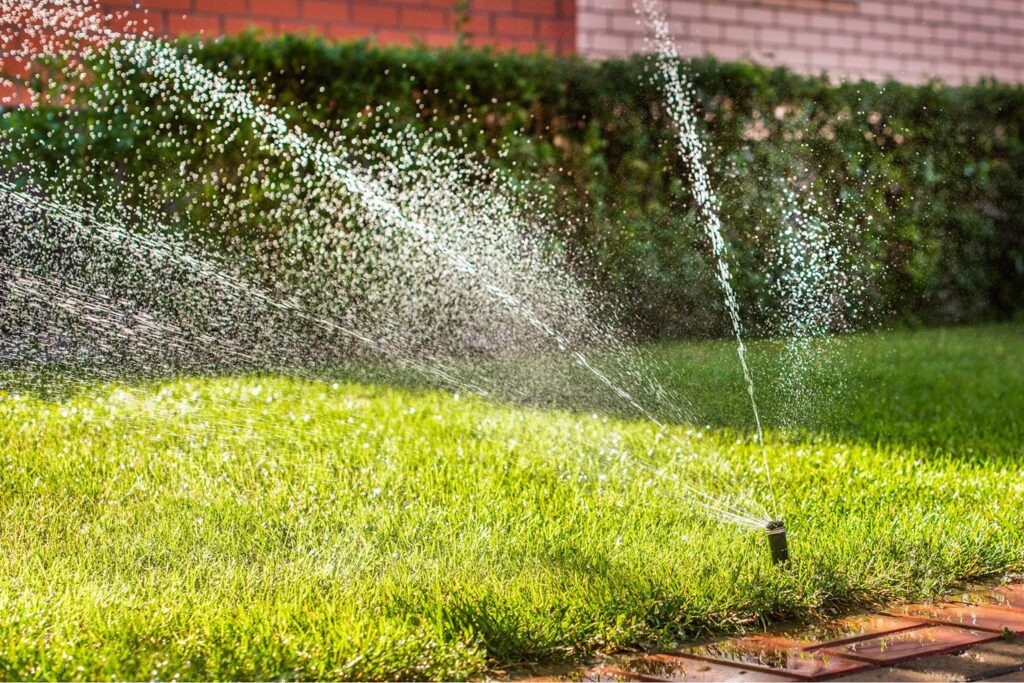
Once planting is complete, the team focuses on helping the new landscape settle in. Initial watering is essential because it moistens the root zone and helps settle soil around the roots. Mulch may be applied around trees, shrubs, and garden beds to help conserve soil moisture, moderate soil temperature, and suppress weeds. It should be kept away from direct contact with plant stems and tree trunks to reduce the risk of moisture-related damage. The team may also install or adjust irrigation components, tidy planting beds, remove leftover materials, and inspect the completed work. These finishing touches help the landscape look organized and prepare it for ongoing care.

6. Post-Installation Care and Maintenance

Plant installation is only the beginning of the establishment process. Newly planted trees, shrubs, and other plants need appropriate care while their roots adjust to the new environment. Your landscaper may provide watering recommendations based on plant species, weather, soil type, and drainage conditions. Regularly checking soil moisture is important because watering needs vary, and both underwatering and overwatering can cause problems. You may also need to monitor plants for signs of stress, pests, disease, or poor establishment. Pruning, fertilization, and other maintenance tasks should be carried out when appropriate for the specific plants rather than applied automatically. Following a suitable maintenance plan helps protect your investment and encourages healthy growth over time.

7. Enjoying Your Newly Installed Landscape

A professional plant installation project combines thoughtful design, careful preparation, and proper planting practices to create an outdoor space that can thrive for years. While some plants may establish relatively quickly, trees and shrubs often need several growing seasons to develop fully. Understanding the process helps you know what to expect, communicate effectively with your landscaping team, and provide the care your new plants need.

Prepare Your Landscape for Long-Term Success

Successful plant installation starts with understanding your property’s needs and choosing the right approach from the beginning. From the initial site assessment to soil preparation, planting, and ongoing maintenance, each stage contributes to the health and appearance of your landscape. Working with experienced landscaping professionals can help you avoid common installation mistakes and create an outdoor environment that suits your property, lifestyle, and maintenance preferences. With proper planning and consistent care, your new landscape can become a beautiful and lasting part of your home.

Leave a Reply

Your email address will not be published. Required fields are marked *