Introduction
Maintaining healthy blood sugar levels is an important part of overall wellness. Everyday habits such as balanced meals, regular physical activity, sufficient sleep, and routine health checks can all play a role in metabolic health. For people exploring additional wellness products, dietary supplements are another area they may want to understand.
GL Pro is marketed as a blood sugar and metabolic support supplement. Online descriptions promote it for glucose metabolism, insulin function, energy balance, and sugar-craving management. However, different websites using the GL Pro name list different ingredients, so it is important to verify the exact formula before making a purchase.
This guide explores GL Pro’s advertised purpose, commonly listed ingredients, potential benefits, safety considerations, and purchasing tips. It also explains why a supplement should complement—not replace—medical advice and evidence-based diabetes care.
What Is GL Pro?
GL Pro is marketed as a dietary supplement intended to support healthy blood sugar levels and general metabolic wellness. Product descriptions commonly highlight glucose metabolism, insulin sensitivity, appetite management, and everyday energy.
Some online listings describe a formula containing berberine, alpha-lipoic acid, cinnamon bark extract, and resveratrol. Other versions list additional ingredients, including bitter melon, chromium, banaba leaf, or other botanical compounds.
Because these formulas are not consistent across websites, the ingredient list in this guide should be treated as an overview of ingredients advertised for certain versions—not as a confirmed label for every GL Pro product.
GL Pro is a supplement, not a proven treatment for diabetes or another metabolic condition. Its marketing claims should not be interpreted as a promise that it will lower blood glucose, reverse insulin resistance, or eliminate the need for prescribed medication.
How Does the GL Pro Formula Work?
GL Pro’s advertised approach focuses on ingredients that have been investigated for possible roles in glucose metabolism, antioxidant activity, and normal metabolic function.
1. Glucose Metabolism
Glucose is a primary source of energy for the body’s cells. The body uses hormones, including insulin, to regulate how glucose moves through the bloodstream and into tissues.
Some ingredients found in blood sugar supplements have been studied for their potential effects on glucose metabolism. Results vary, however, and research on an individual ingredient does not prove that a particular commercial blend is effective.
2. Insulin Function
Insulin helps the body regulate blood glucose after meals. Several botanical compounds and nutrients are being studied for possible effects on insulin sensitivity, but the evidence differs by ingredient and dosage.
GL Pro’s actual effect cannot be determined from the ingredient names alone. The exact amounts, quality of the extracts, and evidence for the finished product all matter.
3. Antioxidant Support
Some versions of GL Pro include compounds such as alpha-lipoic acid and resveratrol. These ingredients have been investigated for antioxidant and other biological properties.
Antioxidant activity in laboratory research does not automatically translate into clinically meaningful improvements in blood sugar control.
4. Everyday Metabolic Wellness
GL Pro is also marketed for energy and metabolic balance. Healthy energy levels depend on several factors, including nutrition, sleep, physical activity, and underlying health conditions. A supplement should not be assumed to resolve fatigue or other symptoms without understanding their cause.
GL Pro Ingredients Explained
The following ingredients appear in certain online descriptions of GL Pro. Check the current product label to confirm which ingredients are actually included and in what amounts.
1. Berberine
Berberine is a plant-derived compound that has been studied for potential effects on glucose and lipid metabolism. Some clinical research suggests it may influence blood sugar measurements, but study quality, dosage, and results vary.
Berberine can cause digestive side effects and may interact with prescription medicines. It may be especially important to seek professional advice if you use diabetes medication, since combining glucose-affecting products can increase the risk of low blood sugar.
The presence of berberine in a GL Pro listing does not establish that the product contains a clinically studied dose or produces the same effects as research preparations.
2. Alpha-Lipoic Acid
Alpha-lipoic acid (ALA) is a compound involved in cellular energy metabolism and is also studied for its antioxidant properties.
Some research has investigated ALA in relation to diabetic neuropathy and other metabolic outcomes. Evidence for one use does not mean it reliably controls blood glucose or provides the same benefits in every supplement formulation.
People taking medication or managing a medical condition should consult a healthcare professional before adding ALA to their routine.
3. Cinnamon Bark Extract
Cinnamon is commonly used in foods and dietary supplements. Researchers have studied cinnamon preparations for possible effects on blood glucose and related metabolic measures, but findings are mixed and may depend on the species, preparation, dose, and study population.
Cinnamon supplements should not be treated as a replacement for prescribed diabetes treatment. Some cinnamon products, particularly those containing cassia cinnamon, can contain coumarin, a compound that may be harmful to the liver in excessive amounts.
Check the product’s exact ingredient information rather than assuming all cinnamon extracts are equivalent.
4. Resveratrol
Resveratrol is a polyphenol found in certain plants, including grapes. It has been studied for antioxidant activity and possible effects on metabolic health.
Although early research has explored resveratrol and glucose regulation, the findings are not sufficient to conclude that it reliably controls blood sugar in everyday users. The dose and formulation matter, and supplement results cannot be assumed to match those observed in individual studies.
5. Bitter Melon
Bitter melon is a plant used in food and traditional wellness practices. Its compounds have been investigated for possible effects on glucose metabolism.
Research findings remain mixed, and preparations vary. Bitter melon may also interact with glucose-lowering medicines, so combining it with diabetes treatment without professional guidance could be unsafe.
This ingredient appears in some GL Pro listings but not all versions.
6. Chromium
Chromium is an essential trace mineral involved in normal nutrient metabolism. Chromium supplements are often marketed for blood sugar support, but evidence for meaningful benefits in people who are not deficient is limited or inconsistent.
Excessive intake may cause adverse effects, and people with kidney or liver conditions should seek professional advice before supplementing.
Confirm whether chromium is present in the specific GL Pro formula you are considering.
7. Banaba Leaf Extract
Banaba is a plant used in some traditional preparations and dietary supplements. Its compounds, including corosolic acid, have been investigated for possible metabolic effects.
The available evidence is not sufficient to establish that banaba leaf reliably improves blood sugar control in a particular commercial product. Its inclusion in an ingredient list should not be treated as proof of effectiveness.
Potential Benefits of GL Pro
GL Pro is advertised for several areas of metabolic wellness. These should be understood as intended support claims rather than guaranteed outcomes.
Blood Sugar Support
The product is marketed for maintaining healthy blood glucose levels. However, no conclusion about the effectiveness of GL Pro itself can be drawn from the marketing claims or ingredient names alone.
If you monitor blood glucose, continue following your healthcare professional’s recommendations and do not change prescribed treatment because of a supplement.
Metabolic Wellness
Certain ingredients in supplements are studied for their possible roles in glucose and lipid metabolism. Their effects depend on the specific ingredient, dose, and individual circumstances.
A balanced eating pattern, regular activity, and appropriate medical follow-up remain central to metabolic health.
Sugar-Craving Management
Some GL Pro marketing describes support for appetite and sugar cravings. There is not enough verified product-specific evidence to conclude that GL Pro reliably reduces cravings.
Regular meals containing fiber, protein, and nutrient-rich foods may help some people manage hunger and build sustainable eating habits.
Everyday Energy
The product is also promoted for maintaining energy. However, tiredness can be associated with sleep quality, diet, anemia, medication effects, diabetes, and other medical conditions.
Persistent fatigue deserves appropriate assessment rather than relying on a supplement alone.
How to Use GL Pro Responsibly
Always follow the directions on the label of the exact product you receive. Serving instructions may differ between formulations sold under the GL Pro name.
Before use:
- Read the complete Supplement Facts panel, including ingredient quantities and warnings.
- Consult a healthcare professional or pharmacist if you take prescription medicines, particularly medicines that lower blood glucose.
- Do not reduce or stop prescribed medication because you begin using a supplement.
- Avoid combining multiple blood sugar supplements without professional guidance.
- Stop using the product and seek advice if you experience unexpected symptoms or side effects.
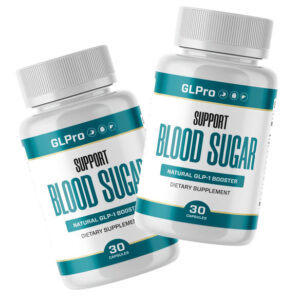
GL Pro Pros and Cons
| Potential Advantages | Important Considerations |
|---|---|
| Marketed specifically for blood sugar and metabolic support | Product-specific clinical effectiveness has not been established here |
| Some listed ingredients have been studied in metabolic research | Research results vary by ingredient and formulation |
| May appeal to people researching nutritional support | Online listings show different formulas |
| Can be evaluated by reviewing its ingredient label | Individual ingredient amounts may not always be disclosed |
| Offers an option to compare with other supplements | Interactions with diabetes medicines may be possible |
| May fit into a broader wellness routine for some adults | Must not replace prescribed treatment or medical monitoring |
What to Check Before Buying GL Pro
Before purchasing through a website described as the official GL Pro website, review these details.
Verify the Exact Formula
Compare the online ingredient list with the label on the bottle. Do not assume that all products using the GL Pro name contain the same ingredients.
Check Ingredient Amounts
Look for individual amounts rather than relying on broad claims about a proprietary blend. Without those details, it is difficult to compare the product with published research.
Review Quality and Testing Information
Look for credible manufacturing details and independent testing where available. An FDA-registered manufacturing facility is not the same as FDA approval of a dietary supplement.
Read the Purchase Terms
Check the complete price, shipping charges, seller contact details, return conditions, and any money-back guarantee. Verify the terms directly before ordering.
Be Cautious About Strong Medical Claims
Be skeptical of claims that a supplement reverses diabetes, replaces medication, guarantees normal glucose readings, or produces a specific result within a few days. Such claims require strong evidence and should not be accepted based on marketing alone.
Frequently Asked Questions
1. What is GL Pro?
GL Pro is marketed as a dietary supplement intended to support healthy blood sugar levels and metabolic wellness. Online versions list different ingredient combinations.
2. What ingredients are in GL Pro?
Some listings name berberine, alpha-lipoic acid, cinnamon bark extract, and resveratrol. Other versions include bitter melon, chromium, or banaba leaf. Check the exact product label before relying on a particular ingredient list.
3. Can GL Pro treat diabetes?
GL Pro should not be used as a substitute for diabetes treatment. The product-specific evidence reviewed here is insufficient to establish that it treats diabetes or reliably controls blood glucose.
4. Can I take GL Pro with diabetes medication?
Consult your healthcare professional or pharmacist first. Some ingredients marketed for blood sugar support may interact with glucose-lowering medicines and could increase the risk of hypoglycemia.
5. How long does GL Pro take to work?
A reliable timeline has not been established for the finished product. Be cautious of promises that guarantee results within a particular number of days or weeks.
6. Is GL Pro FDA-approved?
Dietary supplements are not approved by the FDA in the same way as prescription medicines. A statement that a product is made in an FDA-registered facility does not mean the supplement itself is FDA-approved or that its claims have been verified by the agency.
7. Is GL Pro suitable for everyone?
No. Suitability depends on the formula, health history, and medications. People with diabetes, kidney or liver conditions, or those who are pregnant or breastfeeding should seek professional guidance before using a supplement.
Final Verdict
GL Pro is marketed as a blood sugar and metabolic support supplement containing ingredients that have been studied for various biological effects. Depending on the version, the advertised formula may include berberine, alpha-lipoic acid, cinnamon bark extract, resveratrol, bitter melon, chromium, or banaba leaf.
However, online product listings are inconsistent, and research on individual ingredients does not establish that the finished supplement produces the advertised results. Transparent ingredient quantities, reliable quality information, and product-specific evidence are important when evaluating any supplement.
If you are considering GL Pro, confirm the formula on the actual label, review possible medication interactions, and speak with a qualified healthcare professional if you have concerns about blood sugar. Evidence-based medical care and sustainable lifestyle habits remain the foundation of diabetes and metabolic health management.