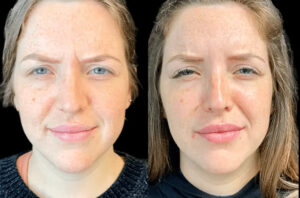
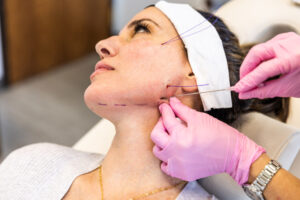
A youthful appearance is often associated with balanced facial proportions, defined contours, and skin that appears firm and supported. Over time, natural changes in skin elasticity, collagen production, and underlying facial structures can influence these features. Some people notice subtle sagging around the cheeks, a less defined jawline, or changes in the lower face that affect their overall appearance. For individuals seeking a non-surgical approach to facial rejuvenation, thread lifting may be an option worth exploring.
Thread Lift in London is a treatment approach that uses specially designed threads placed beneath the skin to provide temporary mechanical support and improve the appearance of selected facial areas. Treatment planning is personalised because facial ageing does not occur uniformly. One person may be concerned about their cheeks, while another may want to address early jowling or changes around the jawline.
Understanding which areas can be considered during treatment planning helps patients develop realistic expectations and discuss their priorities with a qualified practitioner. At Bodyvie Clinic, an individualised assessment can help determine whether a thread lift is suitable for the person’s facial anatomy, skin condition, and aesthetic goals.
Understanding How Thread Lift Treatment Works
A thread lift is a minimally invasive cosmetic procedure designed to support selected facial tissues using specialised medical threads. Depending on the treatment system, these threads may have small features that help engage the surrounding tissue and provide a lifting effect.
Certain thread lift techniques also aim to stimulate the body’s natural collagen response around the treated area. Collagen is an important structural protein that contributes to skin firmness and elasticity. The degree of visible improvement varies according to the individual’s skin quality, facial structure, treatment technique, and the type of threads used.
Unlike surgical facial rejuvenation, a thread lift does not remove excess skin. It is generally considered for people who have mild to moderate tissue laxity and want a subtle improvement in facial contours. The procedure is not equally suitable for every facial area, so the practitioner must assess the location and extent of the concern before recommending treatment.
Which Facial Areas Can Be Considered During Treatment Planning?
Several facial regions may be assessed when determining whether a thread lift could be appropriate. The final treatment plan depends on individual anatomy, the condition of the skin, the intended degree of lifting, and the specific thread system available.
Cheeks and Midface
The cheeks are an important consideration because they contribute to facial fullness, contour, and the transition between the lower eyelids and the midface. With age, changes in fat distribution, tissue support, and skin elasticity can make the cheeks appear less elevated than before.
During a PDO Thread Lift London consultation, the practitioner may assess whether reduced midface support contributes to the patient’s concerns. The position of the cheek tissues, the natural shape of the face, and the relationship between the cheeks and surrounding areas can all influence treatment planning.
For suitable patients, selected thread techniques may help create a subtle lifting effect in the midface. However, threads do not replace lost facial volume in the same way as volume-restoring treatments. Patients whose main concern is hollowing or significant volume loss may require a different approach.
Jawline Definition
The jawline is another area that patients may wish to address. Changes in skin firmness and the position of soft tissues can gradually soften the transition between the lower face and neck. Some people notice that their previously defined jawline appears less distinct, particularly around the sides of the chin.
During assessment, the practitioner examines the jawline from different angles and considers how the skin and underlying tissues contribute to its appearance. The patient’s natural bone structure, existing facial volume, and degree of tissue laxity also influence whether a thread lift is likely to provide a noticeable improvement.
For individuals with mild changes in lower-face definition, a suitable thread technique may offer temporary support to selected tissues. More substantial skin laxity or a prominent amount of excess tissue may require another treatment option to achieve the desired outcome.
Early Jowling Around the Lower Face
Jowling refers to the development of soft tissue fullness along the lower jawline, often near the corners of the mouth. It can occur as facial support structures change with age, causing the lower-face contour to become less distinct.
When planning a Thread Lift in London, the practitioner may assess the location of the jowls, the surrounding skin quality, and the degree of tissue descent. The relationship between the cheeks and jawline is particularly important because these areas work together to create the overall lower-face contour.
A thread lift may be considered for selected patients with early jowling. Nevertheless, the treatment cannot reliably remove substantial excess skin or correct every cause of lower-face fullness. A consultation helps establish whether a subtle lifting procedure is appropriate or whether a different approach would better address the concern.
Nasolabial Folds
Nasolabial folds are the lines that extend from the sides of the nose towards the corners of the mouth. Their appearance varies naturally between individuals and may become more noticeable as facial tissues change over time.
These folds are influenced by several factors, including cheek volume, skin characteristics, facial expressions, and the natural structure of the midface. Consequently, they should not automatically be treated as an isolated concern.
During treatment planning, the practitioner may examine the cheeks and surrounding tissues to understand what contributes to the appearance of the folds. In selected cases, improving support in an appropriate facial region may soften their appearance indirectly. However, thread lifting does not necessarily eliminate established folds, particularly when volume loss or deeper structural changes are the primary cause.
Lower Cheek Area
The lower cheeks can also be considered when assessing facial contour and tissue position. Some patients notice that the area between the cheeks and jawline appears heavier or less defined than it once did.
A practitioner may evaluate whether this appearance results from tissue descent, natural facial fullness, skin laxity, or a combination of factors. This distinction matters because lifting procedures are designed to address selected tissue-position concerns rather than remove fat or substantially change facial anatomy.
The suitability of thread placement in the lower cheek area depends on the patient’s individual features and the capabilities of the chosen technique. A carefully planned approach aims to preserve natural facial proportions rather than create an excessively tight or artificial appearance.
Eyebrow and Temple Region
Some thread lifting systems may be used to provide a subtle lift around the lateral eyebrow or temple region. These areas can influence the appearance of the upper face, particularly when the outer eyebrow sits lower than the individual would prefer.
Assessment involves considering eyebrow position, forehead movement, skin quality, and the patient’s natural facial expressions. The practitioner also evaluates whether the concern relates primarily to the brow’s position or to excess upper-eyelid skin.
A thread-based approach may be suitable for selected patients seeking a modest change in brow position. However, it cannot be expected to produce the same degree of correction as surgical brow lifting, and not every thread system is designed for this region.
Neck and Lower-Face Transition
Although thread lifting is commonly discussed in relation to facial contours, certain techniques may also be considered for selected areas around the upper neck and the transition between the jawline and neck.
The practitioner must assess skin thickness, tissue laxity, anatomical structures, and the location of the concern. Neck ageing can involve several changes, including loose skin, muscle-related bands, and alterations in the distribution of soft tissue. These features do not necessarily respond in the same way to thread-based treatment.
A personalised assessment helps determine whether the selected technique is appropriate for the area or whether another treatment would offer a more suitable outcome.
How Practitioners Select the Most Appropriate Treatment Areas
Identifying possible treatment areas is only one part of the planning process. The practitioner must also determine which areas are likely to benefit from treatment and how they relate to one another.
Assessing Skin Quality and Elasticity
Skin quality can influence the outcome of a thread lift. Skin with reasonable elasticity may respond differently from skin that has substantial laxity or advanced age-related changes.
The practitioner considers skin texture, firmness, thickness, and the amount of tissue movement. These observations help establish whether the skin and underlying structures are suitable for the intended lifting effect.
Evaluating Facial Proportions
Facial areas should not be assessed in isolation. For example, the appearance of the jawline may be influenced by cheek position, chin projection, and the natural shape of the lower face.
A comprehensive evaluation considers how the forehead, cheeks, nose, chin, and jawline relate to one another. This helps the practitioner avoid an overly localised approach that could produce an unbalanced result.
Understanding Individual Aesthetic Goals
Patients may have different priorities even when they share similar facial concerns. One person may want a slightly more defined jawline, while another may prefer subtle improvement in cheek position without a noticeable change in their overall appearance.
Discussing these preferences allows the practitioner to establish realistic treatment objectives. Photographs, facial observations, and a discussion of the patient’s expectations may help guide the assessment.
Reviewing Medical History and Suitability
A consultation also involves reviewing relevant medical history, current medication, previous cosmetic procedures, and any factors that could affect treatment planning. Previous fillers, threads, or facial surgery may influence the available options.
The practitioner should explain the proposed technique, expected recovery, limitations, and alternative treatments before proceeding. This allows patients to make an informed decision based on their circumstances rather than choosing a procedure solely because it is minimally invasive.
What Is the Difference Between PDO Threads and Other Thread Lift Systems?
PDO stands for polydioxanone, a biodegradable material used in certain medical devices. PDO threads are designed to break down gradually within the body, although the duration and nature of the treatment effect depend on several factors.
Other thread lift systems may use different materials or designs, including threads with specialised anchoring features. These differences can affect how the threads engage with tissues and how the practitioner approaches placement.
A PDO Thread Lift London treatment should therefore be planned according to the specific device, its intended use, and the patient’s facial characteristics. PDO threads should not be assumed to provide identical results to every other thread lift system.
The practitioner can explain which system is being considered, what type of improvement may be achievable, and how long the results might reasonably last. Patients should also understand that the longevity of a thread lift is variable and that the effects are not permanent.
What Should Patients Expect During a Consultation?
A consultation at a Thread Lift Clinic in London should begin with a discussion of the patient’s concerns and expectations. The practitioner then examines the relevant facial areas to assess tissue position, skin elasticity, facial proportions, and the extent of visible laxity.
The consultation may include an explanation of the proposed treatment areas, the intended direction of lifting, and the limitations of the chosen technique. Patients should have an opportunity to ask questions about the procedure, aftercare, recovery, and expected results.
Not every person who requests a thread lift will be an appropriate candidate. Some may benefit more from a different non-surgical treatment, while others with more advanced tissue laxity may wish to explore surgical options. A responsible recommendation takes these possibilities into account.
How Can Patients Maintain Natural-Looking Results?
Natural-looking results depend on appropriate patient selection, careful treatment planning, and realistic expectations. The objective is generally to improve selected contours while maintaining the individual’s characteristic facial features.
Patients should follow the practitioner’s aftercare instructions and attend any recommended follow-up appointments. General skin care, sun protection, and healthy lifestyle habits can also support overall skin quality, although they cannot guarantee that the lifting effect will last longer.
It is important to recognise that a thread lift does not stop the ageing process. Facial tissues continue to change over time, and the degree of improvement may gradually diminish. Any decision about further treatment should be based on a fresh assessment rather than an assumption that the same procedure will always be appropriate.
Conclusion
Thread lifting may be considered for several facial areas, including the cheeks, jawline, early jowls, nasolabial region, lower cheeks, selected eyebrow areas, and certain parts of the upper neck. However, the suitability of each area depends on the individual’s facial anatomy, skin quality, tissue laxity, and aesthetic goals.
Choosing the right treatment areas requires more than identifying visible signs of ageing. A comprehensive assessment helps establish whether a thread lift is appropriate, which concerns may respond to the procedure, and whether an alternative treatment could provide a better outcome.
At Bodyvie Clinic, patients considering Thread Lift in London can discuss their concerns and explore a personalised treatment plan based on their facial features and expectations. Understanding the available options and the limitations of thread lifting is an important step towards making an informed decision about facial rejuvenation.
Frequently Asked Questions
1. Which facial areas can be treated with a thread lift?
Depending on the thread system and the patient’s suitability, areas considered may include the cheeks, jawline, early jowls, selected midface regions, and certain eyebrow or neck areas. The appropriate treatment locations are determined during an individual consultation.
2. Is a thread lift suitable for the cheeks?
A thread lift may be suitable for selected patients who want subtle support in the cheek or midface region. Suitability depends on tissue position, skin elasticity, facial volume, and the degree of laxity.
3. Can a thread lift improve jawline definition?
A thread lift may temporarily improve the appearance of the jawline in suitable individuals with mild tissue laxity. It is less likely to provide a significant change when the concern involves substantial excess skin or other structural factors.
4. What is a PDO thread lift?
A PDO thread lift uses threads made from polydioxanone, a biodegradable medical material. Depending on the design and technique, the threads may provide temporary tissue support and stimulate a local collagen response.
5. How long do thread lift results last?
Results vary according to the thread system, treatment area, individual tissue characteristics, and ageing process. The effect is temporary, and the duration should be discussed with the treating practitioner before the procedure.
6. Can several facial areas be treated during one session?
Multiple areas may sometimes be considered during the same treatment session. However, the final plan depends on clinical suitability, the selected thread system, treatment objectives, and the practitioner’s assessment.
7. Does a thread lift replace a surgical facelift?
No. A thread lift is generally intended to provide a modest, temporary lifting effect. A surgical facelift may be more appropriate for people with substantial skin laxity or more advanced facial ageing.
8. How do I choose a thread lift clinic in London?
Look for a qualified, appropriately trained practitioner who conducts an individual assessment, explains the proposed technique and its limitations, and discusses alternative treatments. Patients should also confirm the practitioner’s relevant experience and the suitability of the specific thread system.
9. Is a thread lift suitable for everyone?
No. Suitability depends on factors such as skin quality, facial anatomy, the degree of tissue laxity, medical history, and treatment expectations. A professional consultation is necessary to determine whether the procedure is appropriate.
10. What should I ask during a thread lift consultation?
Ask which facial areas are suitable for treatment, what type of threads will be used, what degree of improvement is realistic, how long results may last, what recovery involves, and whether alternative treatments may better meet your goals.