Introduction
Hair restoration is a gradual process that requires patience, proper aftercare, and an understanding of how transplanted hair follicles develop over time. People considering DHI Hair Transplant in Abu Dhabi often want to know how long recovery usually takes and when they can expect to return to their regular routines. The recovery period varies depending on individual healing, scalp condition, the number of transplanted follicles, and personal hair growth patterns. Although the initial healing phase may take around one to two weeks, the complete hair growth journey can continue for several months.
Understanding the DHI Hair Transplant Procedure
Direct Hair Implantation (DHI) is a hair restoration technique that involves extracting individual hair follicles from a donor area and implanting them into areas experiencing thinning or hair loss. A specialized implantation instrument is used to place the follicles into the targeted areas with attention to their direction, angle, and distribution.
The technique allows individual follicles to be positioned carefully to support a natural-looking hairline and balanced density. Since the procedure involves handling and implanting individual follicles, the scalp requires time to recover and adjust during the initial healing period.
What Is the Typical DHI Hair Transplant Recovery Timeline?
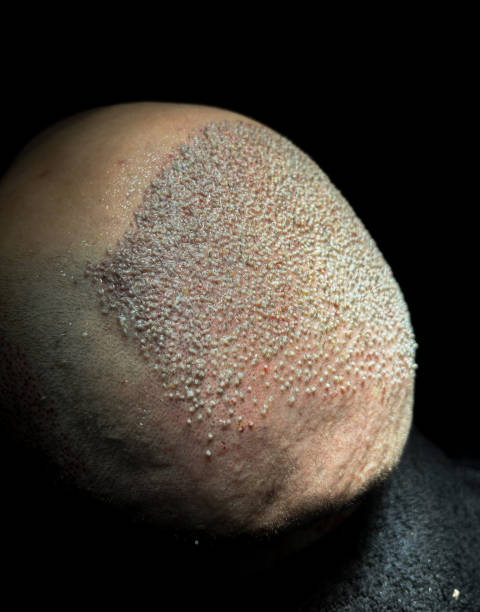
Recovery after a DHI hair transplant generally occurs in different stages. Initial scalp healing may take approximately seven to fourteen days, although individual experiences can vary. During this period, the scalp gradually settles, and small crusts around the implanted follicles begin to disappear.
The visible growth process takes considerably longer. Transplanted hair may initially shed before new growth begins. Noticeable hair development often starts after three to four months, while more substantial changes become visible between six and nine months. Final results may continue developing for twelve to eighteen months.
The First 24 to 48 Hours After DHI Hair Transplant
The first two days are an important part of the recovery process. The scalp begins adjusting to the newly implanted follicles, and the treated areas may appear slightly red or sensitive.
During this period, following the recommended aftercare instructions is essential. Patients are generally advised to avoid touching, rubbing, or applying unnecessary pressure to the implanted area. Keeping the scalp protected helps support the early healing process.
The donor area also requires attention because individual follicles have been extracted from this region. Allowing both areas to recover according to professional guidance supports a more comfortable initial experience.
Recovery During the First Week
During the first week, small crusts or scabs may develop around the implanted follicles. These are a normal part of the healing process and gradually become less noticeable as the scalp recovers.
Mild redness may also remain around the treated areas. The appearance of the scalp can differ from one person to another depending on skin sensitivity and the extent of implantation.
Patients should follow their personalized washing instructions and avoid disturbing the implanted follicles. Activities that create unnecessary friction or pressure on the scalp should be avoided during this early stage.
What Happens During the Second Week?
By the second week, many people notice that the scalp has become more comfortable and that the small crusts have started to clear. Redness may also become less visible as the treated skin continues to settle.
The implanted area gradually begins to look more natural as the initial signs of the procedure disappear. However, the transplanted follicles still require time to progress through their natural growth cycle.
It is important to remember that the disappearance of visible crusts does not mean that the complete hair restoration process has finished.
The First Month After DHI Hair Transplant
During the first month, some transplanted hair strands may begin to shed. This stage is commonly known as shock loss or the shedding phase and is generally an expected part of the hair transplant growth cycle.
Although seeing transplanted strands fall out can be concerning, the follicles generally remain beneath the scalp and can continue their natural development. The temporary shedding phase does not necessarily indicate that the procedure has been unsuccessful.
The scalp may look similar to its pre-procedure appearance during this period. Patience is important because visible improvements usually develop gradually rather than immediately.
Hair Growth Between Three and Four Months
Around the third or fourth month, early signs of new hair growth may become noticeable. Newly growing strands can initially appear fine, soft, or uneven in length.
This is an important stage because the transplanted follicles begin producing visible hair after the initial resting and shedding phases. However, growth patterns may differ across the treated area.
Some follicles may become active earlier than others, meaning that density can appear inconsistent during the beginning of the growth phase. This variation is a normal part of the gradual development process.
Noticeable Improvements Between Six and Nine Months
Between six and nine months, many individuals begin noticing more visible changes in hair coverage and density. Newly grown strands may become longer, thicker, and more noticeable.
The hairline and treated areas can gradually develop a more balanced appearance as additional follicles enter their growth phase. Improvements may become easier to evaluate when comparing photographs taken at different stages.
Although substantial progress may be visible during this period, the final appearance is still developing. Hair thickness, texture, and overall density can continue changing over the following months.
Final Results Between Twelve and Eighteen Months
The complete DHI hair transplant growth journey may take twelve to eighteen months. By this stage, most transplanted follicles that successfully establish growth have had time to develop more mature hair strands.
The final appearance depends on several factors, including follicle characteristics, donor hair quality, individual growth cycles, and the original pattern of hair loss.
The transplanted hair generally follows its natural growth cycle, allowing individuals to style and maintain it as their hair develops. Regular follow-up assessments can help evaluate progress throughout the restoration journey.
Factors That Influence DHI Hair Transplant Recovery
Recovery timelines are not identical for everyone. Individual healing responses can influence how quickly the scalp settles after implantation. Skin characteristics, scalp condition, and the number of transplanted follicles may also contribute to differences in the initial recovery period.
The technique used during implantation and the overall condition of the donor and recipient areas are additional considerations. Following personalized aftercare instructions is important for supporting the healing process.
Hair growth also depends on the natural characteristics of the transplanted follicles. Some individuals may notice visible growth earlier, while others require additional time before significant changes become apparent.
When Can You Return to Normal Activities?
Many individuals can gradually resume routine daily activities within a few days, depending on their recovery and professional guidance. However, returning to more physically demanding activities may require additional time.
Activities involving heavy sweating, direct pressure on the scalp, or potential friction around the implanted area may need to be restricted temporarily.
Work schedules can also influence when someone feels comfortable returning to their usual routine. People with desk-based responsibilities may resume activities sooner than those whose work involves physical exertion.
Following the recommended recovery schedule helps ensure that the scalp receives sufficient time to settle.
How to Support a Smooth Recovery
Following professional aftercare guidance is one of the most important parts of the DHI hair transplant recovery journey. Patients should understand the recommended scalp-cleaning routine and avoid unnecessary contact with the implanted follicles.
Sleeping arrangements may also require temporary adjustments to reduce pressure on the treated areas. Any recommended washing products or medications should be used only according to professional instructions.
Attending scheduled follow-up appointments allows the healing process and subsequent hair growth to be monitored. Consistent care and realistic expectations can make the overall recovery experience easier to manage.
Conclusion
DHI hair transplant recovery usually involves an initial healing period of approximately one to two weeks, followed by a longer hair growth journey that can continue for twelve to eighteen months. The first month may involve temporary shedding, while early new growth often becomes visible around the third or fourth month. More noticeable improvements generally develop between six and nine months. Understanding these stages helps individuals maintain realistic expectations and appreciate that successful hair restoration is a gradual process.
Frequently Asked Questions
How many days does initial DHI hair transplant recovery take?
Initial scalp healing generally takes around seven to fourteen days. During this period, small crusts gradually disappear, and the treated areas begin to settle.
When can I return to work after a DHI hair transplant?
Many individuals with desk-based jobs can return to work within a few days. The appropriate timing depends on individual recovery and professional recommendations.
When does transplanted hair start growing after DHI?
New hair growth commonly becomes noticeable around three to four months after the procedure, although individual growth patterns vary.
Is hair shedding normal after a DHI hair transplant?
Yes, temporary shedding of transplanted hair strands is generally an expected stage of the hair growth cycle. The follicles can remain beneath the scalp and produce new hair later.
When will I see noticeable DHI hair transplant results?
Many individuals begin noticing more visible improvements between six and nine months, as newly growing hair gradually develops thickness and coverage.
How long does it take to see the final DHI hair transplant results?
The complete growth process can take approximately twelve to eighteen months, depending on individual follicle development and natural hair growth patterns.
Can I wash my hair after a DHI hair transplant?
Hair washing can usually begin according to a specific schedule provided by the treating professional. Gentle washing techniques are recommended to protect the implanted follicles during early recovery.
Does everyone recover from DHI hair transplant at the same speed?
No, recovery varies according to individual healing responses, scalp condition, the number of implanted follicles, and other personal factors.
When can I resume exercise after DHI hair transplant?
Light physical activities may be resumed according to professional guidance, while strenuous exercise may require a longer recovery period.
Does DHI hair transplant provide immediate hair density?
No, visible density develops gradually as transplanted follicles enter their natural growth cycles. The final appearance takes several months to mature.