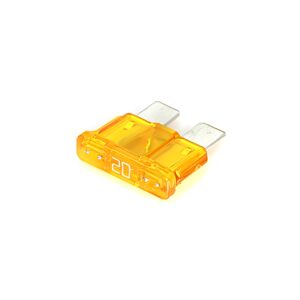
Every modern vehicle contains an intricate network of electrical connections responsible for powering essential functions and everyday conveniences. From dashboard electronics to electrically operated accessories, these systems require dependable protection against unexpected electrical faults. A 20A Yellow Automotive Fuse plays an important role in maintaining electrical safety by disconnecting circuits when excessive current creates potentially damaging conditions.
Although small, this protective component contributes significantly to vehicle reliability. Understanding its characteristics, operating principles, and maintenance requirements helps motorists and automotive professionals make informed decisions about electrical protection.
Why Is a 20A Yellow Automotive Fuse Important in Modern Vehicles?
A 20A Yellow Automotive Fuse is a current-sensitive protective device commonly used in compatible automotive electrical circuits. Its primary purpose is to protect wiring and connected equipment from excessive electrical current.
The fuse contains a specially designed conductive element that heats as electrical current passes through it. During normal operation, the element remains intact. However, sustained overloads or sufficiently severe short circuits generate enough heat to melt the element, interrupting the electrical connection.
This protective action reduces the risk of overheating, damaged insulation, and potential electrical fires.
What Makes the 20-Ampere Rating Significant?
The 20A marking identifies the fuse’s nominal current rating. It helps technicians determine whether the component matches a particular vehicle circuit.
Importantly, a 20A fuse does not necessarily disconnect the moment current reaches 20 amperes. Its response depends on the magnitude and duration of the overload, along with its specified performance characteristics.
How Does a 20A Yellow Automotive Fuse Respond to Electrical Overloads?
Automotive electrical systems experience changing current demands as different components start, stop, or operate under varying loads. Some devices briefly draw higher current during activation, making correctly designed circuit protection essential.
A suitable automotive fuse accommodates expected operating conditions while responding to abnormal current levels according to its time-current characteristics.
What Happens When Excessive Current Flows?
When an electrical fault produces excessive current, the fuse element experiences increasing thermal stress. If the overload exceeds its operating limits for sufficient time, the element melts and separates.
This process interrupts the circuit, preventing continued current flow through the affected connection.
Several conditions can contribute to fuse operation:
- Damaged wiring insulation causing unintended electrical contact.
- Malfunctioning motors drawing excessive current.
- Incorrectly installed aftermarket accessories.
- Short circuits involving exposed conductors.
- Internal electrical faults within connected devices.
Identifying the actual cause is important because installing another fuse without correcting the problem may result in repeated failures.
Which Features Make a 20A Yellow Automotive Fuse Practical?
Automotive fuses are designed to provide convenient protection within compact electrical distribution systems. Their simple construction makes them suitable for numerous vehicle applications.
The yellow housing provides immediate visual identification of the 20-ampere rating, while the internal fusible element performs the protective function.
How Do Construction and Design Influence Reliability?
Blade-type automotive fuses commonly feature conductive metal terminals and an insulating housing. Depending on the design, the housing may permit visual inspection of the internal element.
Important characteristics include:
- Compact construction suitable for organised fuse panels.
- Colour-coded identification for easier maintenance.
- Metal blade terminals for compatible electrical connections.
- Replaceable construction for convenient servicing.
- Defined electrical ratings for appropriate circuit selection.
Different automotive fuse formats have distinct dimensions and configurations. Therefore, matching the physical fuse type is just as important as selecting the correct current rating.
Where Can a 20A Yellow Automotive Fuse Be Installed?
The application of a 20A automotive fuse depends on the vehicle manufacturer’s electrical design. Various passenger vehicles, commercial vehicles, and specialised automotive systems may incorporate this rating where appropriate.
Typical locations include passenger-compartment fuse panels, engine-compartment distribution boxes, and designated accessory protection assemblies.
Which Electrical Systems Might Use This Fuse Rating?
A 20A fuse may be specified for certain electrical functions, including:
- Selected electric window mechanisms.
- Vehicle accessory power connections.
- Particular ventilation or blower circuits.
- Some windscreen cleaning systems.
- Manufacturer-approved auxiliary equipment.
These examples are not universal recommendations. Vehicle owners should always check the applicable circuit diagram before replacing or installing a fuse.
How Can Incorrect Fuse Selection Affect Vehicle Safety?
Using an unsuitable fuse can compromise an electrical circuit’s intended protection. A fuse with excessive current capacity may permit dangerous heating before interrupting the electrical supply.
Likewise, installing a fuse with an insufficient rating may cause unnecessary interruptions during ordinary equipment operation.
Why Should You Avoid Increasing the Fuse Rating?
Replacing a specified 20A fuse with a 25A or 30A alternative to prevent repeated failures can expose wiring and connected components to higher fault currents than intended.
Instead, repeated fuse failures should prompt proper electrical troubleshooting. Technicians may need to examine wiring, connectors, switches, motors, and recently installed accessories to identify the underlying problem.
How Should You Replace a 20A Yellow Automotive Fuse Correctly?
Fuse replacement is generally straightforward when appropriate safety procedures are followed. The most important consideration is ensuring that the original circuit specification is maintained.
Begin by switching off the ignition and following the manufacturer’s instructions. Locate the correct fuse using the fuse-box diagram, remove the defective component with an appropriate tool, and inspect the holder for visible damage.
Fit a replacement with matching current, voltage, and physical specifications. Once installed, check the affected electrical function according to the vehicle’s maintenance guidance.
If the replacement blows again, avoid repeated installation until the electrical fault has been identified.
Why Does Proper Automotive Fuse Management Matter for Vehicle Longevity?
Reliable electrical protection depends on correct fuse selection, sound wiring, and appropriate maintenance practices. Keeping compatible replacement fuses available can simplify routine servicing and reduce inconvenience when an electrical circuit stops operating.
A 20A Yellow Automotive Fuse offers effective protection when used within a properly designed vehicle circuit. Its compact size, recognisable colour coding, and controlled interruption characteristics make it a valuable component in automotive electrical systems.
By prioritising manufacturer-approved specifications and addressing faults promptly, vehicle owners can support dependable electrical operation, reduce avoidable component damage, and maintain safer driving conditions.