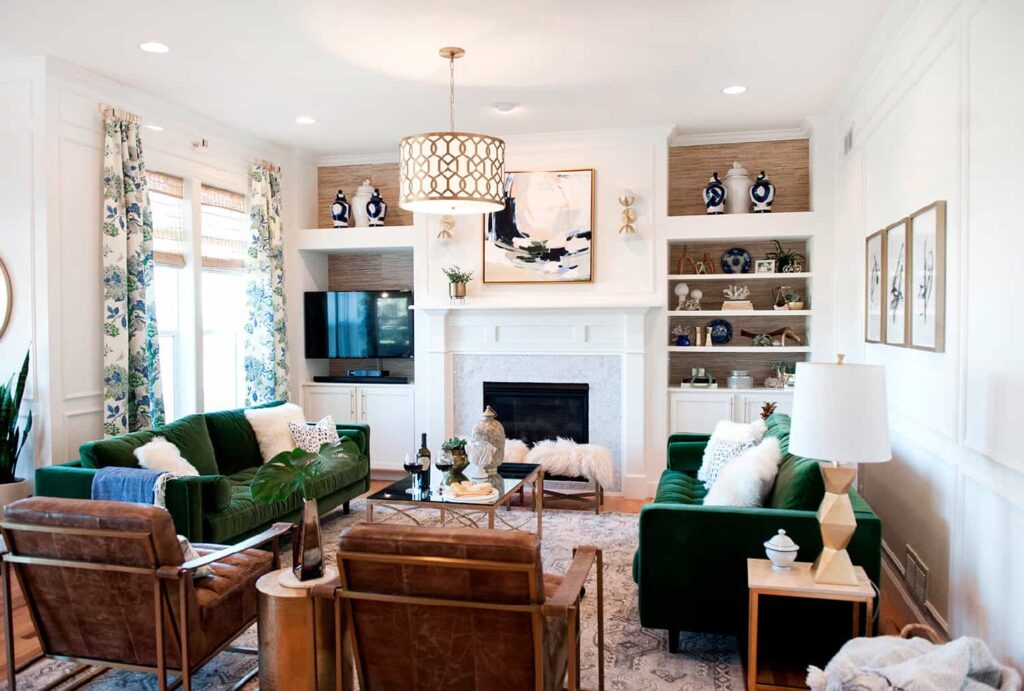
mid-century modern furniture
Mid-century modern furniture has maintained its popularity for decades because it combines practical functionality, distinctive craftsmanship, and timeless visual appeal. Recognized for clean lines, organic shapes, natural materials, and carefully balanced proportions, this design style continues to influence modern homes and interior decorating trends. From elegant wooden dining tables to sculptural lounge chairs, its furniture brings character to different living environments without making spaces feel overcrowded. What makes this movement particularly interesting is its ability to connect historical design principles with the needs of contemporary lifestyles.
Although the style originally developed during the middle decades of the twentieth century, its influence remains visible in today’s furniture collections, residential interiors, and commercial spaces. Designers and homeowners continue to appreciate its emphasis on simplicity, comfort, and purposeful construction. Understanding the history, materials, and defining characteristics of mid-century modern furniture can help buyers make better decorating decisions and choose pieces that offer lasting value. It also provides useful inspiration for creating functional areas, including living rooms, dining spaces, and thoughtfully arranged home offices.
The History and Origins of Mid-Century Modern Design
Mid-century modern design emerged during the 1940s and became particularly influential throughout the 1950s and 1960s. Following World War II, changing economic conditions, technological advancements, and evolving lifestyles influenced how people approached residential design. Homeowners increasingly wanted furniture that was practical, comfortable, and suitable for modern living. Traditional furniture styles often featured elaborate decorations and heavy construction, while the emerging movement favored simpler forms and efficient use of space.
Several influential designers helped shape the movement and establish its recognizable identity. Charles and Ray Eames became widely known for experimenting with molded plywood, fiberglass, and innovative seating designs. George Nelson introduced distinctive furniture and lighting concepts, while Eero Saarinen explored sculptural forms and unconventional furniture structures. Their work demonstrated that everyday household objects could combine engineering, comfort, and artistic creativity.
Scandinavian design also contributed significantly to the development of this aesthetic. Designers from Denmark, Sweden, and other Nordic countries emphasized craftsmanship, natural materials, and functional simplicity. Their influence helped establish a preference for warm wood finishes, comfortable seating, and furniture that complemented rather than dominated interior spaces. These principles remain central to the appeal of mid-century-inspired interiors today.
The movement was not limited to furniture alone. Architecture, lighting, textiles, decorative objects, and interior layouts also reflected its design philosophy. Open floor plans, large windows, natural light, and connections between indoor and outdoor environments became important elements of modern residential design. Together, these ideas created a consistent aesthetic that continues to inspire contemporary architects and interior designers.
Defining Characteristics That Make the Style Recognizable
One of the most recognizable characteristics of mid-century modern furniture is its emphasis on clean lines and uncomplicated silhouettes. Instead of relying on excessive decoration, designers focused on proportion, shape, and the natural qualities of materials. Straight edges frequently appear alongside rounded corners, gentle curves, and organic forms. This combination creates furniture that looks visually interesting while maintaining a balanced and understated appearance.
Tapered legs are another familiar feature of this design movement. Many chairs, sofas, tables, and cabinets feature slim legs that gradually narrow toward the floor or angle slightly outward. This construction creates a lighter appearance and allows more visible floor space, helping rooms feel open and organized. Raised furniture also makes it easier to maintain a sense of visual continuity throughout an interior.
Functionality is equally important. Furniture pieces are generally designed to serve practical purposes while maintaining attractive proportions. Storage cabinets may include sliding doors, recessed handles, and carefully arranged compartments. Dining chairs often feature curved backs and supportive seating, while desks combine practical working surfaces with streamlined structures. These details demonstrate how the movement successfully combines everyday usability with thoughtful design.
Another defining characteristic is the relationship between geometric and organic shapes. A rectangular wooden cabinet might feature curved handles, while a rounded coffee table could rest on an angular base. This contrast creates visual interest without making the furniture appear complicated. The result is a design approach that feels both distinctive and adaptable across different interior styles.
Materials That Give Mid-Century Furniture Its Timeless Appeal
Material selection played an important role in the development of mid-century furniture. Natural wood was particularly popular because it offered durability, warmth, and attractive visual texture. Teak, walnut, oak, and rosewood were frequently used in furniture manufacturing. Their distinctive grain patterns and natural color variations helped create furniture that felt sophisticated without requiring elaborate decorative finishes.
Teak became especially recognizable because of its warm golden-brown appearance and natural characteristics. Walnut offered deeper brown tones and elegant grain patterns, while oak provided a versatile option for different furniture designs. Many manufacturers also used high-quality wood veneers to achieve attractive finishes while managing material costs. Therefore, the presence of veneer does not automatically indicate poor construction or inferior furniture quality.
Alongside natural wood, designers experimented with metal, glass, leather, fiberglass, and molded plastics. Metal provided structural strength and allowed for slender furniture frames. Glass tabletops helped maintain an open appearance, while leather and fabric upholstery introduced comfort and additional texture. Molded materials gave designers greater freedom to explore curved seating shapes and innovative furniture structures.
The combination of different materials remains an important reason for the style’s lasting influence. A wooden desk with metal legs, a leather lounge chair with a sculptural frame, or a glass coffee table supported by a wooden base can create an interesting balance of textures. When selecting furniture, buyers should consider both appearance and construction quality. Durable materials, properly finished surfaces, and reliable joints can contribute to long-term usability.
How Mid-Century Modern Furniture Influences Home Office Styling
The principles of mid-century design work particularly well in modern home offices because they prioritize simplicity, comfort, and efficient use of space. As more people create dedicated work areas at home, furniture that combines professional appearance with everyday functionality has become increasingly important. Mid-century-inspired desks, office chairs, bookshelves, and storage cabinets can help create an organized workspace without making it feel overly formal.
A wooden desk with tapered legs is an excellent starting point for this type of interior. Walnut and teak finishes can introduce warmth, while a streamlined tabletop provides sufficient room for essential work equipment. Look for desks with practical drawers or discreet storage compartments to keep documents and accessories organized. Choosing furniture with appropriate dimensions is important because a desk should accommodate daily tasks without restricting movement around the room.
Seating also deserves careful consideration when planning home office styling. A visually attractive chair should provide adequate back support, suitable seat dimensions, and comfortable positioning for regular use. Some vintage-inspired chairs may look impressive but lack the ergonomic adjustments needed for extended working sessions. A practical approach is to combine a mid-century-inspired desk with a contemporary ergonomic chair that complements the overall aesthetic.
Storage solutions can further improve the workspace. Wooden bookcases, low-profile cabinets, and compact shelving units provide room for books, documents, and decorative objects. Rather than filling every available surface, keep frequently used items accessible and store less important belongings out of sight. A clean arrangement makes the office easier to use while allowing the furniture’s design details to remain visible.
Lighting and accessories help complete the environment. A simple desk lamp, neutral rug, framed artwork, and a few indoor plants can introduce personality without creating unnecessary distractions. Natural lighting is also valuable, particularly when arranging a workspace near a window. Combining functional furniture with thoughtful accessories creates a home office that feels comfortable, organized, and visually connected to the rest of the home.
Why Mid-Century Modern Furniture Continues to Endure
The continued popularity of this design movement comes from its ability to remain relevant despite changing interior trends. Many furniture styles depend heavily on decorative details or temporary color preferences, but mid-century designs rely on balanced proportions, useful construction, and recognizable silhouettes. These qualities make individual pieces easier to incorporate into different decorating approaches. A well-designed wooden cabinet or lounge chair can remain attractive even when the surrounding interior changes.
Versatility is another important reason for its longevity. Mid-century-inspired furniture can complement minimalist, contemporary, Scandinavian, industrial, and eclectic interiors. Natural wood finishes work particularly well with neutral walls and textured fabrics, while sculptural chairs can provide contrast in otherwise simple rooms. Homeowners can also introduce individual vintage pieces without needing to redesign their entire living space.
The movement’s emphasis on functionality also contributes to its lasting appeal. Furniture is expected to serve a purpose rather than exist solely for decoration. Desks provide practical working surfaces, sideboards offer storage, and seating designs combine comfort with visual simplicity. This approach remains relevant because modern homeowners continue to value furniture that makes everyday living easier.
Sustainability is another consideration influencing current furniture choices. Purchasing well-maintained vintage furniture gives existing pieces another useful life and can reduce the demand for unnecessary replacement purchases. Buyers may also prefer contemporary furniture made with durable materials and responsible manufacturing practices. Repairing, refinishing, and maintaining quality pieces can extend their useful lifespan while preserving their original character.
Tips for Choosing Quality Mid-Century Furniture for Modern Homes
Selecting the right furniture requires more than recognizing a particular design style. Buyers should consider the dimensions of their rooms, everyday requirements, material preferences, and available budgets. Before purchasing a desk, dining table, sofa, or cabinet, measure the intended space and consider how people will move around the furniture. This simple step can prevent common decorating mistakes and help maintain a comfortable layout.
Construction quality should remain a priority when comparing different options. Examine joints, drawer mechanisms, surface finishes, hardware, and the stability of the furniture frame. When shopping for vintage pieces, look for structural damage, signs of excessive repairs, wood deterioration, and worn upholstery. Original furniture may show normal signs of age, but significant damage should be considered when evaluating its condition and price.
It is also important to understand the difference between authentic vintage furniture and contemporary reproductions. Original vintage pieces were manufactured during the historical period, while reproductions recreate established designs using later production methods. Contemporary interpretations borrow familiar characteristics but may introduce updated materials, dimensions, and features. Neither option is automatically better; the right choice depends on whether historical authenticity, affordability, design, or everyday functionality matters most.
Finally, focus on creating a balanced interior rather than purchasing furniture simply because it belongs to a particular design movement. Select pieces that complement existing colors, materials, and architectural features. A distinctive wooden desk, comfortable lounge chair, or carefully chosen sideboard may have a greater impact than filling an entire room with matching furniture. Thoughtful selection helps create a home that feels personal, practical, and visually consistent.
Bringing Timeless Design Into Everyday Living
Mid-century modern furniture continues to attract homeowners and designers because it offers a thoughtful balance between aesthetics and functionality. Its history reflects a period of innovation, while its materials and construction demonstrate the importance of craftsmanship and practical design. From natural wood finishes and sculptural seating to streamlined storage solutions, its defining characteristics remain useful in contemporary interiors.
Whether you are furnishing a living room, updating a dining area, or improving home office styling, this design approach offers plenty of opportunities to create attractive and functional spaces. Understanding its origins, materials, and recognizable features makes it easier to identify quality furniture and choose pieces that suit individual needs. Ultimately, the enduring value of mid-century design comes from its ability to make everyday environments more comfortable, organized, and visually appealing without sacrificing simplicity.