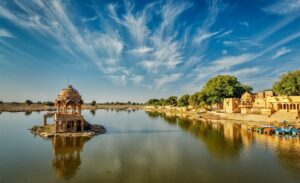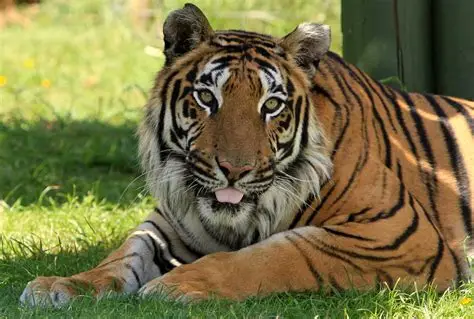
Rajasthan is often celebrated for its majestic forts, palaces, and desert landscapes. Yet beyond its architectural grandeur lies another treasure—its thriving wilderness. Rajasthan Wildlife Tourism has emerged as a major attraction, drawing nature lovers, photographers, and adventure seekers from across the globe. From tiger reserves to bird sanctuaries, the state offers a diverse range of ecosystems that make it one of India’s premier wildlife destinations.
This article explores Rajasthan’s wildlife tourism in detail: its national parks, sanctuaries, key species, best visiting seasons, cultural highlights, and practical travel tips.
Why Rajasthan is Unique for Wildlife Tourism
- Diverse Ecosystems: Desert grasslands, wetlands, deciduous forests, and rocky hills.
- Flagship Species: Bengal tiger, leopard, caracal, blackbuck, chinkara, and migratory birds.
- Global Recognition: Keoladeo National Park is a UNESCO World Heritage Site.
- Adventure Tourism: Jeep safaris, birdwatching tours, and desert expeditions.
Major Wildlife Destinations in Rajasthan
Ranthambore National Park (Sawai Madhopur)
- Famous for Bengal tigers amidst ancient fort ruins.
- Other species: leopards, sloth bears, marsh crocodiles.
- Safari options: Jeep and canter safaris.
Sariska Tiger Reserve (Alwar)
- Located in the Aravalli Hills.
- Known for tiger sightings, leopards, and hyenas.
- Also houses historic temples and forts.
Keoladeo Ghana National Park (Bharatpur Bird Sanctuary)
- UNESCO World Heritage Site.
- Over 370 bird species, including migratory Siberian cranes.
- Ideal for birdwatchers and photographers.
Desert National Park (Jaisalmer)
- Showcases the Thar Desert ecosystem.
- Species: Great Indian Bustard, blackbuck, desert fox.
- Unique landscapes of sand dunes and salt flats.
Mount Abu Wildlife Sanctuary
- Semi-green forests in Rajasthan’s only hill station.
- Species: Indian leopard, jungle cat, and diverse birdlife.
Gajner Wildlife Sanctuary (Bikaner)
- Habitat for nilgai, chinkara, blackbuck, and wild boar.
- Scenic forest near Gajner Palace.
Key Species in Rajasthan’s Wildlife Tourism
- Big Cats: Bengal tiger, leopard, caracal.
- Ungulates: Blackbuck, chinkara, nilgai, sambar deer.
- Birds: Peacocks, kingfishers, owls, migratory cranes.
- Reptiles: Marsh crocodiles, monitor lizards.
Best Time to Experience Rajasthan Wildlife Tourism
- Winter (October–March): Pleasant weather, ideal for safaris and birdwatching.
- Summer (April–June): Hot but rewarding, as animals gather near waterholes.
- Monsoon (July–September): Lush greenery, but some parks may restrict safaris.
Cultural and Adventure Experiences
- Heritage Safaris: Ranthambore Fort and Sariska temples.
- Bird Festivals: Annual events at Bharatpur.
- Desert Expeditions: Camel safaris combined with wildlife tours in Jaisalmer.
Suggested 7-Day Rajasthan Wildlife Tourism Itinerary
Day 1–2: Ranthambore – Tiger safari and fort exploration.
Day 3: Sariska – Safari and heritage sites.
Day 4–5: Bharatpur – Birdwatching and photography.
Day 6: Jaisalmer – Desert National Park safari.
Day 7: Mount Abu – Hill sanctuary exploration.
Challenges in Rajasthan Wildlife Tourism
- Overcrowding: Popular parks like Ranthambore face heavy tourist traffic.
- Conservation Issues: Habitat loss and poaching threats.
- Climate Extremes: Harsh summers can be challenging for visitors.
Sustainable Practices
- Eco-friendly lodges and resorts.
- Community-based tourism initiatives.
- Awareness campaigns for responsible travel.
Future of Rajasthan Wildlife Tourism
- Digital Integration: Online safari bookings and virtual tours.
- Eco-tourism Growth: Focus on sustainability and conservation.
- Global Outreach: Promoting Rajasthan as a premier wildlife destination.
Conclusion
Rajasthan Wildlife Tourism is a journey into the heart of nature and culture. From tiger safaris in Ranthambore to birdwatching in Bharatpur and desert expeditions in Jaisalmer, the state offers unparalleled experiences for every traveler.
For adventurers, it is a playground of thrills; for photographers, it is a canvas of biodiversity; and for conservationists, it is a reminder of the importance of protecting India’s natural heritage. Rajasthan’s wildlife tourism will continue to thrive as it balances tradition, adventure, and sustainability.