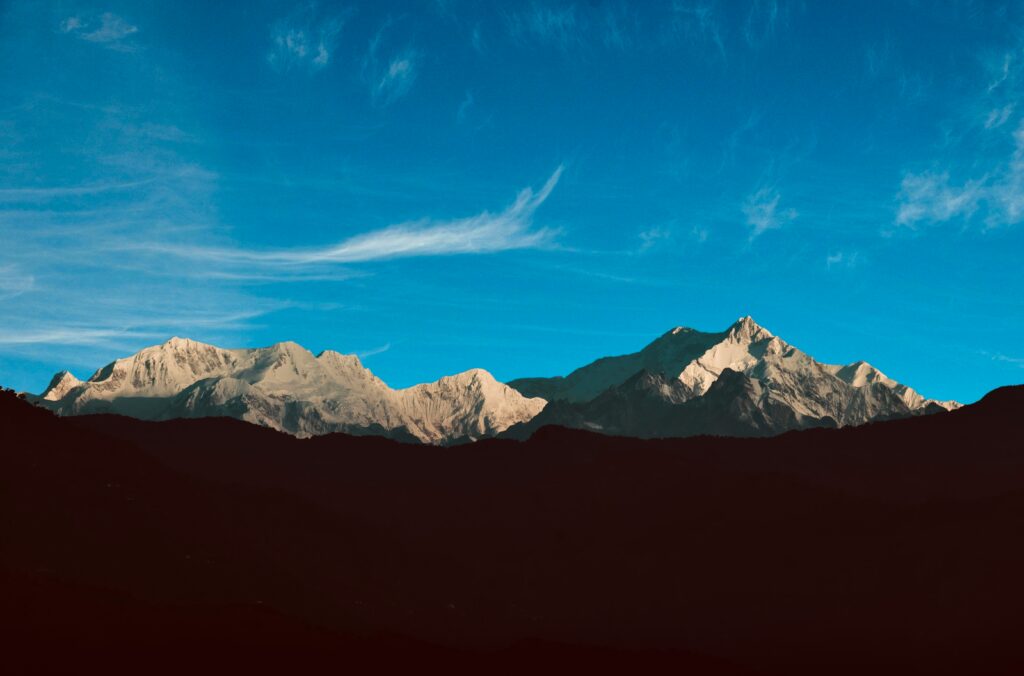
Rising majestically in the far eastern Himalayas, Kanchenjunga is the world’s third-highest peak. The Kanchenjunga Base Camp offers adventurers a journey into remote landscapes, pristine forests, and traditional villages, providing a true Himalayan experience. This trek is not only about towering peaks; it is about exploring nature, culture, and the thrill of adventure.
Why Kanchenjunga Base Camp Trek is Special
Unlike more popular trekking routes in Nepal, Kanchenjunga Base Camp trek is less crowded and more remote. Trekkers enjoy untouched trails, peaceful landscapes, and the chance to witness local culture in its purest form. The trail passes through diverse ecosystems, from subtropical forests to alpine meadows, giving trekkers a full view of the Himalayan environment. The sense of isolation and the grandeur of the peaks make it an unforgettable experience.
Trek Statistics
The Kanchenjunga Base Camp trek is challenging and requires good planning. The trek usually takes 18 to 22 days, covering a total distance of approximately 220 kilometers (137 miles). The highest point is Kanchenjunga Base Camp at around 5,143 meters (16,870 feet). Daily trekking averages 5–7 hours, depending on terrain and weather. Trekkers need proper acclimatization days to prevent altitude sickness and to enjoy the journey safely.
Physical Preparation
This trek is physically demanding. Trekkers should train with cardio exercises such as hiking, running, and cycling to improve stamina. Strength training for legs and core is important to manage long hours on rugged trails. Practice hikes with a backpack can simulate real trekking conditions and help build endurance. A strong body ensures that you can fully enjoy the trek without excessive fatigue.
Essential Gear
Packing the right gear is crucial for safety and comfort. Important items include:
-
Warm layered clothing for changing weather
-
Trekking boots with good grip
-
Gloves, hats, and sunglasses for protection
-
Sleeping bag rated for high-altitude conditions
-
Trekking poles for stability on uneven trails
-
First-aid kit and personal medications
Carrying lightweight yet durable gear makes the trek more comfortable and reduces strain during long trekking days.
Cultural Insights
The Kanchenjunga region is home to diverse ethnic groups, including the Limbu, Sherpa, and Rai communities. Trekkers pass through traditional villages where they can observe local customs, festivals, and daily life. The hospitality of local people is warm, and homestays provide a glimpse of Himalayan living. Respecting local traditions and engaging with the community enhances the trekking experience.
Scenic Highlights
The trek offers many natural highlights. Dense forests of rhododendron and oak bloom in spring, adding vibrant colors to the trail. Alpine meadows, glacial streams, and high passes offer stunning views of Kanchenjunga, Kumbhakarna, and other surrounding peaks. Sunrise and sunset moments at viewpoints provide unforgettable photo opportunities and memories.
Acclimatization and Safety
Proper acclimatization is essential to prevent altitude sickness. Trekkers should follow a gradual ascent schedule, with rest days at higher villages like Yuksom, Dzongri, or Lhonak. Staying hydrated, eating nutritious meals, and listening to the body are key. Weather conditions can change rapidly, so monitoring forecasts and following guides’ advice ensures safety.
Best Time to Trek
The best seasons for Kanchenjunga Base Camp trek are spring (March to May) and autumn (September to November). During these periods, the skies are usually clear, the weather is stable, and mountain views are at their best. Winter is very cold and monsoon season brings heavy rain, landslides, and slippery trails, which can be risky for trekkers.
Mental Preparation
Long treks in remote areas can be mentally challenging. Trekking to Kanchenjunga Base Camp requires patience, resilience, and a positive mindset. Preparing mentally for solitude, changing weather, and physical exertion is important. Staying focused on the journey and enjoying each day can make the trek a fulfilling and rewarding adventure.
Final Thoughts
The Kanchenjunga Base Camp trek is a journey of natural beauty, culture, and personal achievement. With proper physical preparation, gear, acclimatization, and a positive mindset, trekkers can enjoy a safe and unforgettable Himalayan adventure. The remote landscapes, towering peaks, and vibrant local culture make it a once-in-a-lifetime experience that every adventurer should consider.