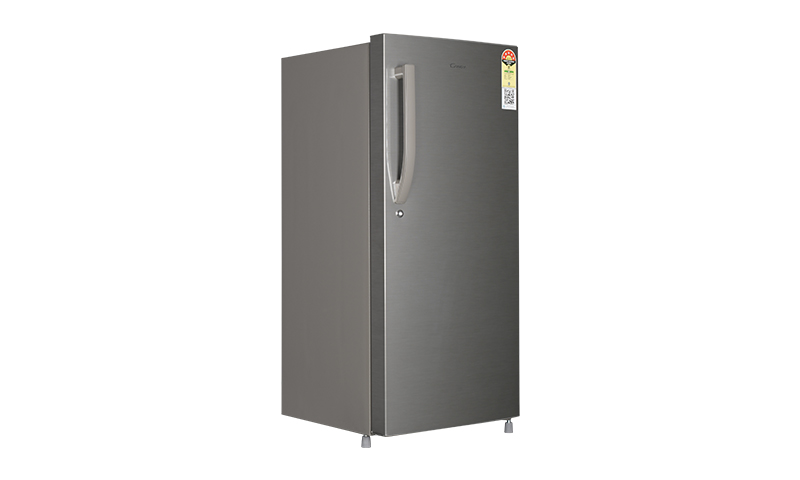
Buying a refrigerator is one of those decisions that can quietly influence your everyday life for years. It’s not just about keeping food fresh; it’s about convenience, energy efficiency, and how well your appliance suits your family’s lifestyle. Among the many types available today, the single door refrigerator remains a popular choice for small families, individuals, and those who value simplicity with dependable cooling performance.
But one question stands out before you make a purchase: what capacity do you actually need? This question may seem straightforward, but selecting the right capacity can have a big impact on your satisfaction, energy usage, and even your grocery habits. Too small, and you’ll constantly run out of space; too large, and you’ll end up wasting electricity and paying higher bills for unused capacity.
Understanding Refrigerator Capacity
Before diving into which capacity is right for you, it’s important to understand what capacity means. Refrigerator capacity is measured in liters (L) the total internal volume of the fridge and freezer sections combined. It represents the amount of usable space available to store food and beverages.
However, not all liters are equal in practice. The design and layout of a refrigerator, including shelves, drawers, and bottle racks can influence how much usable space you actually get. For instance, two refrigerators may both have a listed capacity of 190L, but one could feel more spacious because of better shelf organization or slimmer insulation.
Why Capacity Matters
Selecting the right refrigerator capacity is more than just a matter of fitting groceries inside. It affects several key aspects of your daily routine and household management:
- Energy Consumption
The larger the capacity, the higher the power consumption. While energy-efficient technologies can reduce this, an oversized fridge will always draw more power than a smaller, appropriately sized one. Choosing the right size ensures you’re not paying extra in electricity for space you don’t use. - Food Wastage
A refrigerator that’s too large can tempt you to overbuy groceries, many of which might go unused and spoil. Conversely, a refrigerator that’s too small forces you to cram food items together, reducing airflow and leading to uneven cooling, which can also cause food to spoil faster. - Budget Considerations
Larger capacity models usually come with a higher price tag. The purchase cost, along with long-term operational costs, can add up significantly if the extra capacity isn’t necessary. - Space Availability
Kitchen space is a practical limitation. If you live in an apartment or have a compact modular kitchen, it’s essential to choose a refrigerator that fits comfortably without obstructing movement or other appliances. - Lifestyle Fit
Your cooking and eating habits play a huge role in determining the ideal refrigerator size. For instance, someone who eats out often might not need as much storage as a family that cooks all meals at home.
Factors to Consider When Choosing the Right Capacity
Let’s explore in detail how to assess your household’s needs and select a capacity that fits your daily lifestyle.
1. Cooking and Eating Habits
Your household’s eating patterns directly influence how much refrigeration space you need.
- Frequent Cooking: If you cook every day and store multiple cooked dishes, raw ingredients, and leftovers, you’ll need more storage space for containers and vegetables.
- Minimal Cooking or Eating Out Often: Those who primarily eat out or order food online can manage comfortably with a smaller model.
- Meal Preppers: If you like to batch cook and freeze meals for the week, prioritize more freezer space or a model that offers flexible storage zones.
Understanding your cooking frequency and storage style can prevent both overbuying and under sizing.
2. Types of Food You Store
Different foods demand different storage conditions. If your household consumes a lot of fresh produce, dairy, and beverages, prioritize a fridge with spacious vegetable crispers and door racks. Conversely, if you buy frozen foods or make ice often, look for a model with a large freezer compartment.
A well-designed single door refrigerator usually provides a smaller freezer, as it’s intended for basic freezing needs rather than long-term frozen storage. For those who don’t rely heavily on frozen foods, this design is both practical and efficient.
4. Kitchen Space and Layout
Your available kitchen space can often be the deciding factor. Measure the area where you plan to place the refrigerator including clearance at the back and sides for ventilation. Remember to allow space for the door to open fully.
Compact kitchens benefit from slim, vertical models that maximize storage without expanding width. Some 190L models are designed specifically for smaller apartments, offering generous capacity within a small footprint.
Also consider the location of the power outlet and whether the refrigerator will block drawers, windows, or walkways.
5. Energy Efficiency Ratings
Each refrigerator carries an energy efficiency rating usually displayed as a star label. A higher star rating means better energy savings.
Even if a larger refrigerator fits your needs, opting for one with a higher efficiency rating can balance the energy costs. Over years of use, this difference can lead to significant savings.
Since single door models typically consume less energy than double door ones, they’re an excellent choice for energy-conscious households, especially when sized correctly.
6. Seasonal Storage Needs
In many regions, refrigerator use varies seasonally. Summers may demand more cold beverages and fresh fruit storage, while winters might not require as much. If your usage fluctuates, it’s smarter to pick a mid-sized model that comfortably handles seasonal peaks without overcapacity during off months.
The Role of Design and Layout
Capacity alone doesn’t determine usability. The internal design of the refrigerator plays a major role in how convenient it feels to use.
When comparing models, consider the following:
- Shelf Adjustability: Adjustable shelves allow you to create space for tall bottles or large containers.
- Crisper Size: A large vegetable box is essential for those who buy fresh produce in bulk.
- Door Storage: Deep door racks can hold milk bottles, condiments, and beverages efficiently.
- Freezer Accessibility: Look for an easy-to-reach freezer that’s spacious enough for ice trays and essentials.
Even within the same capacity range, internal design can vary widely, so inspect layout carefully before purchase.
How the 190L Capacity Fits Most Homes
The 190L refrigerator has become one of the most sought-after sizes in the single door category because it fits the needs of a wide demographic. It’s ideal for small families, bachelors, or couples who want a balance between compactness and sufficient space.
Here’s why it stands out:
- Perfect Size-to-Usage Ratio:
For 1–3 people, a 190L capacity offers enough space for daily groceries, dairy products, and beverages without feeling cramped. - Energy Efficiency:
Most 190L models consume less electricity than larger alternatives while still providing reliable cooling and freezing performance. - Affordability:
It strikes a sweet spot in pricing: not too small to feel limited, not too large to be expensive. It’s budget-friendly both in purchase cost and running cost. - Ease of Placement:
This capacity fits comfortably in most kitchens, even those with limited space, while still maintaining a sleek, modern look. - Low Maintenance:
Single door models, especially around 190L, are easy to clean, defrost, and maintain, making them great for first-time buyers.
If you’re unsure where to start when choosing capacity, this size is a safe middle ground that satisfies most day-to-day requirements.
Conclusion
Choosing the right refrigerator capacity is about understanding your household’s rhythm and how you cook, store, and consume food daily. A single door refrigerator remains a timeless option for those seeking reliability, compactness, and energy efficiency.
For individuals, couples, and small families, the 190L refrigerator often provides the ideal balance of size, performance, and affordability. It fits neatly into most kitchens, stores just the right amount of groceries, and keeps electricity usage reasonable.