What Are Stainless Steel Pipes? Types, Grades, and Applications
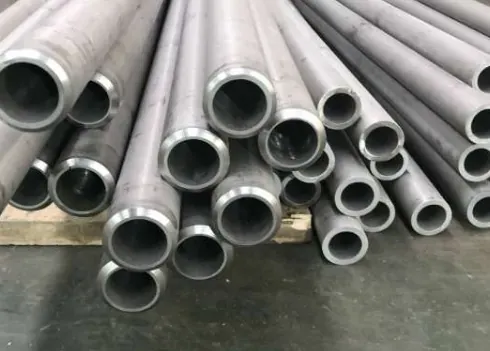
Stainless steel pipes are widely used in modern industries because of their strength, durability, and resistance to corrosion. From construction and plumbing to oil, gas, food processing, and pharmaceuticals, stainless steel pipes play a vital role in transporting fluids, gases, and sometimes even solids safely and efficiently. Their long life and low maintenance make them a preferred choice for both industrial and domestic applications.
What Are Stainless Steel Pipes?
Stainless steel pipes are hollow cylindrical tubes made from steel that contains chromium, usually at least 10.5%. This chromium forms a thin protective layer on the surface, preventing rust and corrosion. Some grades also include nickel, molybdenum, and other elements to improve strength, heat resistance, and chemical resistance.
These pipes are available in different sizes, thicknesses, and finishes. They can be manufactured as seamless pipes or welded pipes, depending on the production method and the application requirement.
Types of Stainless Steel Pipes
Stainless steel pipes can be classified in several ways:
1. Seamless Stainless Steel Pipes
Seamless pipes are made without any welding joint. They are produced by piercing a solid steel billet and rolling it into a hollow shape. These pipes are stronger and can handle high pressure and high temperature. They are commonly used in oil and gas, power plants, and chemical industries.
2. Welded Stainless Steel Pipes
Welded pipes are made by rolling stainless steel plates or coils into a tube shape and welding the seam. They are generally more affordable than seamless pipes and are used in low- to medium-pressure applications like water supply, furniture, handrails, and structural uses.
3. Round, Square, and Rectangular Pipes
Stainless steel pipes are not only round. Square and rectangular pipes are also widely used in construction, furniture, and decorative structures.
4. Polished and Industrial Finish Pipes
Some pipes are polished for decorative purposes, while others have a rough industrial finish for heavy-duty applications.
Grades of Stainless Steel Pipes
Stainless steel pipes are made from different grades, each designed for specific conditions.
Austenitic Grades (300 Series)
These are the most common grades. They contain high chromium and nickel.
-
Grade 304: Good corrosion resistance, easy to weld, and widely used in kitchen equipment, water pipes, and general industrial use.
-
Grade 316: Contains molybdenum, making it more resistant to chemicals and saltwater. Used in marine, chemical, and pharmaceutical industries.
Ferritic Grades (400 Series)
These grades contain chromium but little or no nickel.
-
Grade 409 and 430: Used in automotive exhaust systems, decorative applications, and indoor environments.
Martensitic Grades
These have higher carbon content and are very strong.
-
Grade 410 and 420: Used in high-strength applications like shafts, valves, and turbines.
Duplex Stainless Steel
Duplex grades combine properties of austenitic and ferritic steel.
-
Grade 2205: High strength and excellent corrosion resistance, ideal for offshore, chemical, and high-pressure environments.
Applications of Stainless Steel Pipes
Stainless steel pipes are used in almost every industry because of their versatility.
1. Construction and Architecture
They are used in building frameworks, railings, handrails, roofing supports, and structural designs. Their clean look also makes them popular in modern architecture.
2. Plumbing and Water Supply
Stainless steel pipes are used for drinking water, drainage systems, and hot water lines. They do not contaminate water and last longer than many other materials.
3. Oil and Gas Industry
Seamless stainless steel pipes are widely used for transporting oil, gas, and other fluids under high pressure and high temperature.
4. Chemical and Petrochemical Industry
These pipes can resist corrosion from acids, alkalis, and chemicals, making them ideal for chemical plants and refineries.
5. Food and Beverage Industry
Stainless steel pipes are hygienic, easy to clean, and do not react with food. They are used in dairy plants, breweries, soft drink factories, and food processing units.
6. Pharmaceutical Industry
Clean and corrosion-free pipelines are critical in medicine production. Stainless steel pipes are used to transport liquids, gases, and steam in pharmaceutical plants.
7. Automotive and Transport
They are used in exhaust systems, fuel lines, and structural parts because of their strength and heat resistance.
8. Marine and Offshore
Because stainless steel resists saltwater corrosion, it is used in shipbuilding, ports, and offshore oil platforms.
Advantages of Stainless Steel Pipes
-
High corrosion and rust resistance
-
Long service life
-
Strong and durable
-
Easy to maintain and clean
-
Recyclable and eco-friendly
-
Suitable for high temperature and pressure
-
Attractive appearance for decorative use
These benefits make stainless steel pipes a smart long-term investment.
Choosing the Right Stainless Steel Pipe
When selecting stainless steel pipes, consider:
-
Type of fluid or gas being transported
-
Temperature and pressure conditions
-
Exposure to chemicals or saltwater
-
Required size and thickness
-
Budget and maintenance needs
For example, grade 304 may work for water lines, but grade 316 is better for chemical or marine use.
Global Manufacturing and Supply
Stainless steel pipes are produced worldwide, with strong manufacturing bases in Asia, Europe, and the Middle East. Many buyers today look for reliable exporters who can provide quality products with international standards. If you are sourcing from Southeast Asia, working with a Stainless Steel Pipes Manufacturer in thailand can be a good option due to competitive pricing, modern production facilities, and export-quality standards.
Conclusion
Stainless steel pipes are essential in today’s world. Their strength, corrosion resistance, and versatility make them suitable for almost every industry—from homes and offices to oil rigs and chemical plants. With different types like seamless and welded pipes, various shapes, and multiple grades, there is a stainless steel pipe for every requirement. Choosing the right grade and type ensures safety, efficiency, and long service life, making stainless steel pipes a trusted solution for modern infrastructure and industrial growth.