When it comes to achieving healthy, shiny, and strong hair, one size does not fit all. Many people follow trending hair care tips from the internet, influencers, or friends, only to feel disappointed when results don’t show. The real problem? They don’t understand their hair type. Identifying your hair type is the foundation of an effective routine, whether your goal is managing frizz, improving texture, finding the best hair growth remedies, or discovering the right hair fall solution.
In this blog, you’ll learn how to identify your hair type correctly and why this step is essential before investing time and effort in any hair care routine.
Why Knowing Your Hair Type Matters
Every hair type has unique characteristics, needs, and challenges. Curly hair requires more moisture, oily hair needs balanced cleansing, and fine hair needs lightweight products. When you blindly follow random hair care tips, you might:
- Use products that weigh your hair down
- Over-wash or under-wash your scalp
- Increase hair fall instead of reducing it
- Waste money on unsuitable treatments
Understanding your hair type allows you to choose targeted hair growth remedies and an effective hair fall solution that actually works for you.
Step 1: Understand the Basic Hair Types
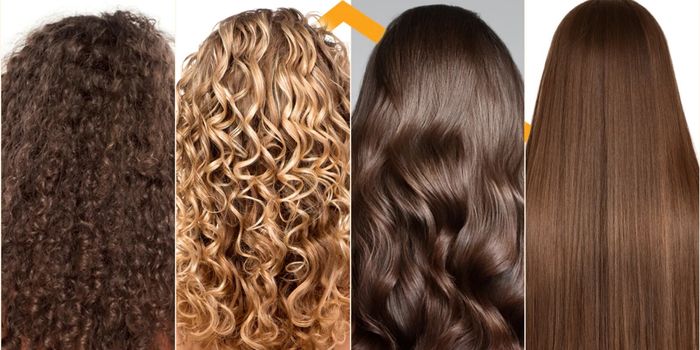
Hair types are generally categorized based on texture and pattern. These are the four main types:
1. Straight Hair (Type 1)
- Naturally smooth and shiny
- Gets oily quickly
- Lacks volume
- More prone to product buildup
People with straight hair should follow lightweight hair care tips such as using gentle shampoos and avoiding heavy oils.
2. Wavy Hair (Type 2)
- Forms soft S-shaped waves
- Can be prone to frizz
- Not too oily, not too dry
- Needs balanced hydration
Wavy hair responds well to mild styling products and moisturizing hair growth remedies like aloe vera or lightweight serums.
3. Curly Hair (Type 3)
- Clearly defined curls
- Often dry and frizzy
- Breaks easily without moisture
- Needs extra hydration
Curly hair requires deep conditioning, oil treatments, and customized hair care tips to reduce breakage and support a strong hair fall solution.
4. Coily Hair (Type 4)
- Very tight curls or zig-zag pattern
- Extremely dry
- Shrinks a lot when dry
- Highly fragile
This hair type benefits the most from rich moisturizers, protective styles, and intensive hair growth remedies such as castor oil massages.
Step 2: Identify Your Hair Thickness
Hair thickness is different from hair type and plays a major role in choosing the right hair care tips.
- Fine hair: Strands feel thin and delicate, gets oily fast
- Medium hair: Balanced thickness, easy to manage
- Thick hair: Strong strands, takes longer to dry, needs more hydration
Fine hair needs lightweight hair fall solution products, while thick hair can handle richer oils and masks as hair growth remedies.
Step 3: Check Your Scalp Type
Your scalp health directly affects hair growth and hair fall. Identify whether your scalp is:
Oily Scalp
- Hair looks greasy within 1–2 days
- Frequent itching or dandruff
- Needs gentle cleansing
Best hair care tips include using a mild shampoo, avoiding heavy oils, and focusing on balancing the scalp.
Dry Scalp
- Feels tight or itchy
- May have small white flakes
- Needs hydration
Moisturizing hair growth remedies like coconut oil, aloe vera gel, and hydrating masks work best.
Normal Scalp
- Balanced oil production
- No extreme dryness or greasiness
- Easy to manage
You’re lucky! You can follow most hair care tips with minimal adjustments.
Step 4: Do the Simple Hair Porosity Test
Hair porosity refers to how well your hair absorbs and retains moisture. You can test this at home:
Water Test:
Drop a clean strand of hair into a glass of water.
- Floats on top → Low porosity (products sit on hair)
- Sinks slowly → Medium porosity (ideal balance)
- Sinks quickly → High porosity (absorbs moisture fast but loses it quickly)
Understanding porosity helps you choose effective hair growth remedies and the right hair fall solution. High-porosity hair needs sealing oils, while low-porosity hair benefits from lightweight, water-based products.
Step 5: Identify Your Hair’s Main Concern
Beyond texture and scalp type, you should also consider your main hair issue:
- Excessive hair fall
- Slow hair growth
- Dullness and dryness
- Frizz and breakage
- Dandruff and itchiness
Once you know your concern, you can personalize your hair care tips instead of following generic routines. For example, someone dealing with hair fall should focus more on strengthening masks, scalp massage, and a reliable hair fall solution.
Choosing the Right Routine After Identifying Your Hair Type
Once you understand your hair type, thickness, scalp condition, and porosity, you can build a routine that actually works.
For Oily, Fine Hair
- Use lightweight shampoo
- Avoid heavy oils on scalp
- Try onion juice as a gentle hair growth remedy
- Focus on balancing the scalp for a better hair fall solution
For Dry, Curly Hair
- Deep condition weekly
- Use coconut oil or shea butter
- Follow moisturizing hair care tips
- Aloe vera and castor oil make great hair growth remedies
For Wavy, Normal Hair
- Use mild shampoo and conditioner
- Avoid over-styling
- Use natural masks as hair growth remedies
- Consistent care prevents the need for a strong hair fall solution
Common Mistakes People Make Without Knowing Their Hair Type
Many people unknowingly damage their hair by following the wrong hair care tips. Common mistakes include:
- Using anti-dandruff shampoo on dry scalp
- Applying heavy oils on oily hair
- Over-washing curly hair
- Using too much heat without protection
- Ignoring scalp health when looking for hair growth remedies
When you understand your hair type, you stop experimenting blindly and start seeing real improvements.
Final Thoughts
Identifying your hair type is the first and most important step toward healthy hair. Without this knowledge, even the best hair care tips won’t deliver results. By understanding your hair texture, thickness, scalp type, and porosity, you can choose personalized hair growth remedies and an effective hair fall solution that suits your unique needs.
Instead of chasing every new trend, invest time in understanding your hair. Once you do, your routine becomes simpler, more affordable, and far more effective.