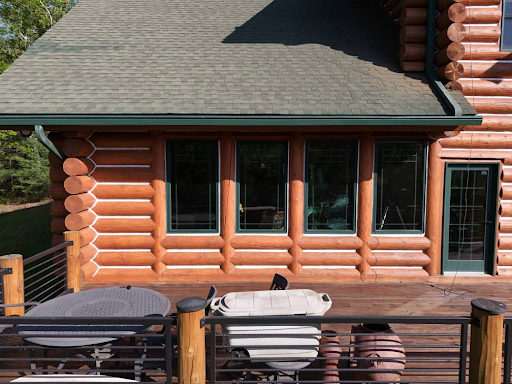
If you own a log home, you already know it’s a beast of character. Those big wooden beams, the rustic charm, the smell of fresh-cut timber—it’s everything people dream of when they think about cabin life. But here’s the ugly truth: log homes aren’t maintenance-free. Not even close. One tiny crack or poorly sealed gap, and you’re looking at water damage, drafts, and wood rot. That’s where log house caulking comes in. It’s not glamorous. It’s not sexy. But it’s the single thing that can seriously extend the life of your home, protect your investment, and keep your place feeling like, well, a cabin, not a shed.
Why Caulking Matters for Log Homes
You might think caulking is just cosmetic—a little filler in the cracks so your walls look neat. That’s dead wrong. Log house caulking is actually the barrier that stops nature from creeping in. Logs expand and contract. They move with humidity, temperature, seasons. If those gaps aren’t sealed properly, water finds its way inside. Once water is in, mold and rot follow. And if you’ve ever dealt with rotting logs, you know how expensive and painful that fix can be.
It’s not just water either. Drafts in winter, bugs in the summer, even that sneaky squirrel that loves to nibble on gaps near your roofline—caulking keeps it all out. Think of it like armor for your home, the thing that keeps it safe from slow, silent destruction.
Choosing the Right Caulking
Not all caulks are created equal, and picking the wrong one is like putting a paper umbrella on a hurricane. For log homes, you need something flexible, durable, and made for wood. Silicone caulks are great for small cracks because they stretch and contract with your logs. But if you’ve got gaps that move a lot, you’ll want a chinking-style caulk—thicker, more robust, can handle a lot of expansion and contraction without cracking.
Don’t cheap out. You might save a few bucks upfront, but a bad caulk job is a false economy. You’ll end up pulling it out in a few years, redoing the work, and hating life while you’re at it. Proper log house caulking is about longevity, not speed.
The Prep Work: It’s Not Optional
Here’s the part people skip and regret. You can’t just slather caulk on dirty, wet, or old cracked wood and hope it sticks. It won’t. Clean every gap first. Remove old caulking or chinking. Scrape, brush, even sand if you need to. Make sure the wood is dry. Moisture in the logs? Forget about it—it’s going to ruin the bond.
Prep is boring, sure. But it’s the difference between a five-year fix and a twenty-year fix. Don’t cheat yourself.
How to Caulk Your Log Home
Okay, now the fun part—or at least the part where you actually see progress. Grab your caulking gun, the right caulk for your logs, and start slow. Don’t rush. Fill every crack, seam, and gap. Push the caulk in deep, don’t just skim over the surface. Smooth it out with a wet finger or a caulking tool—whatever works. But here’s the thing: don’t obsess about perfection. Logs aren’t perfect. Your caulk line doesn’t have to be either. Functional beats pretty every time.
Work in sections. Hit the exterior first, since that’s what fights the weather. Then, depending on your home’s design, hit interior gaps that might affect heating, cooling, or draftiness. And yes, even if your interior looks clean and beautiful, those small gaps near windows, doors, and logs can eat away at efficiency and comfort.
Maintaining Your Caulking
Caulking isn’t a one-and-done deal. Log homes breathe—they move, they expand, they shift. Every year, check your caulking. Look for cracks, gaps, signs of mold, or caulk peeling away. Touch it up as needed. It’s like teeth brushing for your home. Ignore it, and rot sneaks in. You’ll regret that decision faster than you can say “re-caulking.”
Interior Design of Log Cabins and Caulking
Now, I know some of you care about how your home looks too. Interior design of log cabins isn’t just about furniture, lighting, or rugs—it’s about the structure itself. Proper log house caulking keeps the walls clean and smooth, which gives you a better canvas. Paint, stain, decorations—they all sit on a home that’s structurally solid. Neglect the caulking, and your interior charm suffers. Warping, water stains, drafts—it all kills the cozy vibe you’re going for. So even if you’re dreaming about exposed beams and handcrafted furniture, don’t skip the basics.
Signs You Need Re-Caulking
Sometimes you don’t notice a problem until it’s obvious. Cracks bigger than a pencil? Water stains on walls or ceilings? Drafts that freeze your toes in winter? Bugs coming in where they shouldn’t? That’s a flashing warning sign. If you see any of these, it’s time to caulk. Don’t wait for a full-blown emergency. Fixing small problems now prevents big headaches later. Even if you don’t see anything, schedule a visual inspection yearly. Log house caulking is preventative maintenance—an essential step that also preserves the beauty and function of your home, complementing the interior design of log cabins. Like oil in a car. You wouldn’t skip that, right?
The Bottom Line
Here’s the truth: log homes are beautiful, but they’re demanding. They require work, attention, and some elbow grease. Log house caulking isn’t glamorous. It doesn’t make your friends jealous. But it’s one of the most important things you can do to protect your investment and keep your home feeling like home.
Do it right. Use quality products. Prep the wood. Check your work every year. Maintain it. Combine that with thoughtful interior design of log cabins, and your home will age like fine wine, not like a neglected shack. Caulking might seem like a small detail, but in the long run, it’s huge.
Your log home deserves it. And trust me, when the rain pours, the wind blows, and winter freezes everything solid, you’ll be glad you did.