Laser tattoo removal has become a preferred method for individuals seeking to fade or eliminate unwanted tattoos. Laser Tattoo Removal in Abu Dhabi helps patients achieve professional results with advanced technology. One of the most common questions is: how quickly will results become visible? Understanding the timeline, what to expect after each session, and the factors that influence fading is essential for planning and managing expectations.
This article explores the typical pace of results from laser tattoo removal and the factors that determine how soon a tattoo begins to fade.
How Laser Tattoo Removal Works
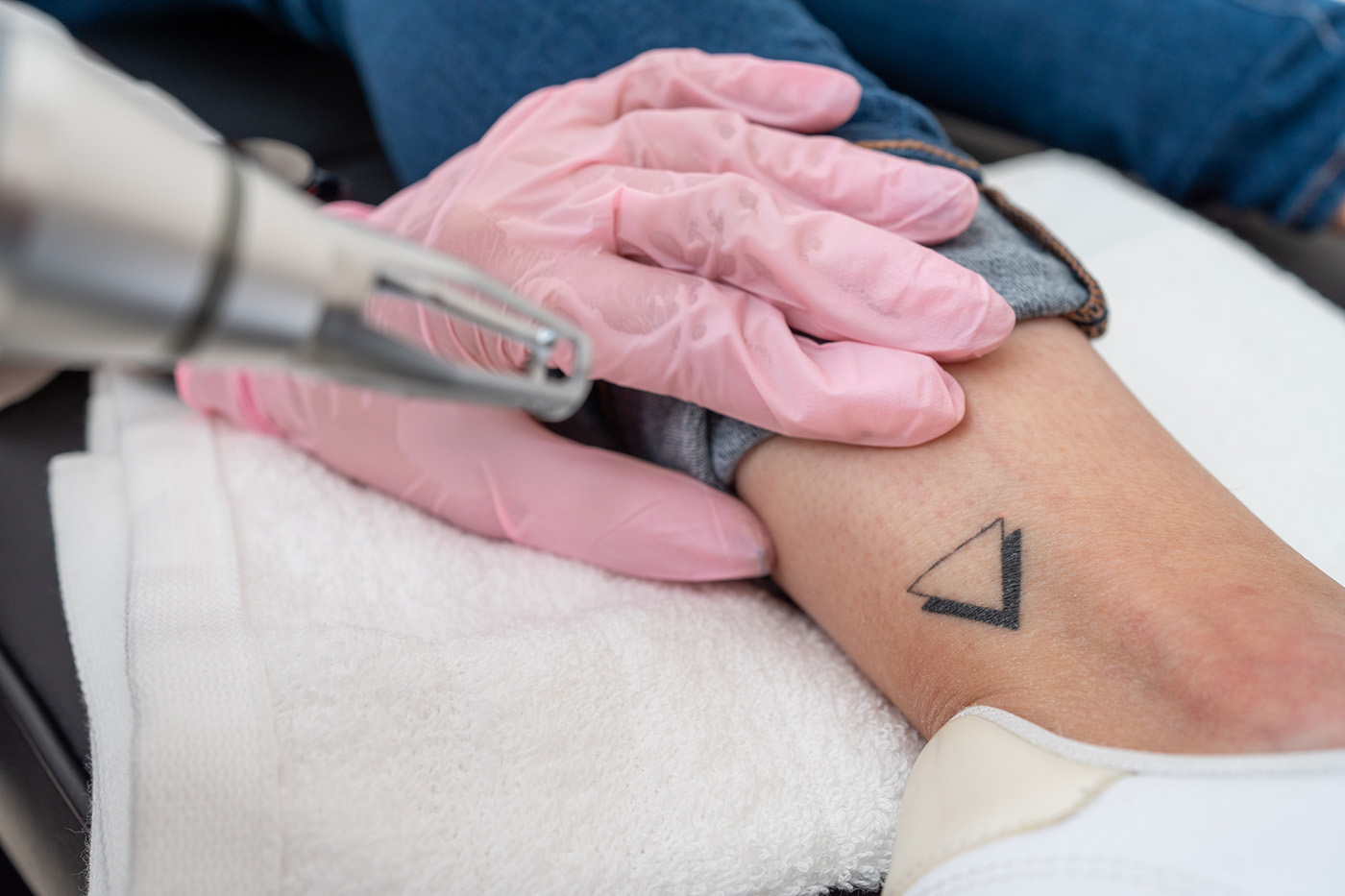
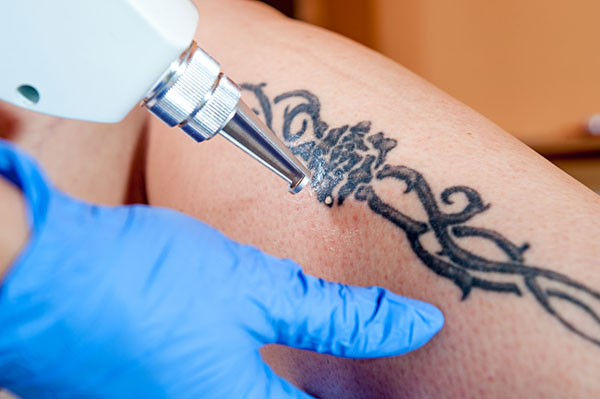
Laser tattoo removal uses concentrated pulses of light to break down ink particles embedded in the dermal layer of the skin. Once fragmented, the body’s immune system gradually removes these particles, resulting in progressive fading of the tattoo over time.
Results are not instantaneous because the process relies on the body’s natural clearing mechanisms. The speed of fading depends on multiple factors, including tattoo characteristics, skin type, and post-treatment care.
Factors Influencing Results
The rate at which a tattoo fades varies from person to person. Several key factors influence how quickly results appear:
Tattoo Size and Coverage
Small tattoos often show visible fading sooner because there is less pigment to break down. Larger tattoos may require longer treatment and more sessions before noticeable changes occur.
Ink Color and Density
Dark inks, such as black and deep blue, typically respond faster to laser treatment. Lighter or pastel inks, including yellow, green, or neon shades, may take longer to fade due to lower absorption of laser wavelengths. Dense ink with heavy saturation also requires more sessions.
Tattoo Age
Older tattoos often fade more quickly because some natural pigment breakdown has already occurred. Fresh, vibrant tattoos may require more time and additional sessions to achieve significant results.
Skin Type and Tone
Skin tone can influence how light interacts with tattoo pigment. Darker skin may require careful laser adjustment to avoid temporary changes in pigmentation, which can affect visible fading.
Location on the Body
Tattoos in areas with better circulation, such as the upper body, may fade more quickly. Tattoos on areas with slower blood flow, such as hands or feet, may take longer for the immune system to process ink particles.
Typical Timeline for Seeing Results
Visible results from laser tattoo removal usually occur gradually, with fading noticeable after each session:
-
After the first session: Minor lightening of the tattoo is often observed. Some colors may appear slightly blurred or less vibrant.
-
After 2–3 sessions: Fading becomes more pronounced, especially for dark inks. Red and black pigments typically show the most noticeable improvement.
-
After 4–6 sessions: Many tattoos are significantly lighter. Multi-colored tattoos may require additional sessions for lighter or stubborn colors.
-
After 8–10 sessions or more: The tattoo may be almost completely removed, depending on the number of colors, depth of ink, and overall complexity.
It is important to note that sessions are usually spaced 4–8 weeks apart to allow the skin to heal and the body to process broken-down pigment. Immediate results after a session are minimal; gradual fading is part of the natural clearance process.
What to Expect Between Sessions
During the weeks following a session, the body continues to clear ink particles. Skin reactions such as temporary redness, mild swelling, or slight peeling may occur, which are normal indicators of healing.
Fading typically becomes noticeable over the first 2–4 weeks after each session. Patience is essential, as the immune system works slowly and gradually. By tracking progress, individuals can gauge how each session contributes to overall tattoo fading.
FAQs About Results Timeline
How soon will I see my tattoo start to fade?
Visible lightening is often noticeable within 2–4 weeks after the first session, though the degree of fading depends on ink color, density, and skin type.
Do colored tattoos fade more slowly?
Yes. Lighter or pastel colors such as yellow, green, or orange generally require more sessions and may show slower fading than black or red inks.
Can larger tattoos fade as quickly as smaller ones?
Smaller tattoos usually show faster visible results because there is less pigment for the body to process. Larger tattoos require more sessions and time for noticeable fading.
Does the area of the body matter?
Yes. Tattoos on areas with better circulation, like the chest or arms, often fade more quickly than those on extremities or areas with slower blood flow.
How many sessions are typically needed to see significant results?
Most tattoos require 5–10 sessions for noticeable fading, though some larger or multi-colored tattoos may require more.
Tips to Maximize Visible Results
-
Follow Aftercare Instructions: Proper care after each session supports healthy skin and effective pigment removal.
-
Stay Patient: Fading is gradual, and each session contributes incrementally to results.
-
Maintain Sun Protection: Avoiding sun exposure on treated areas prevents pigmentation changes and supports consistent fading.
-
Track Progress: Taking photos between sessions helps visualize gradual improvement.
-
Plan Realistically: Understand that multi-colored or dense tattoos take longer to achieve noticeable results.
Conclusion
Visible results from laser tattoo removal appear gradually, with initial fading often noticeable 2–4 weeks after the first session. Factors such as tattoo size, color, age, skin type, and body location all influence the speed of fading. Dark inks like black and red typically show the fastest results, while lighter or pastel colors may require more sessions to become visibly lighter.
Most tattoos require multiple sessions spaced several weeks apart for significant fading. Proper aftercare, patience, and realistic expectations are essential to achieving the best possible results. By understanding the timeline for fading, individuals can plan their treatments effectively and appreciate the gradual transformation of their tattooed skin.