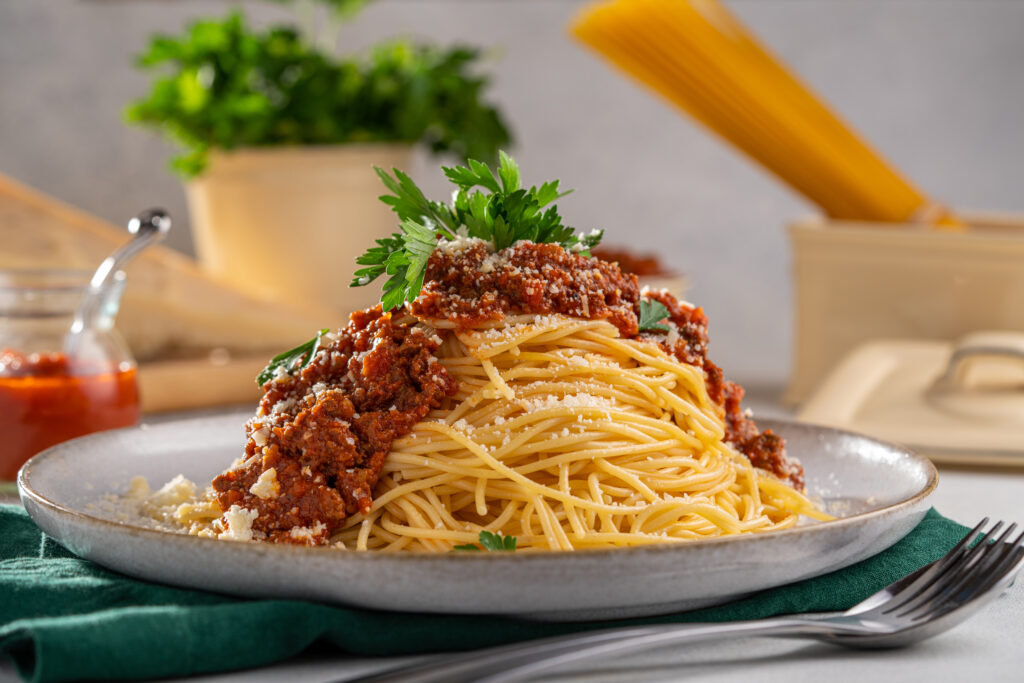
Italian cuisine stands as one of the world’s most beloved culinary traditions, captivating taste buds across continents and generations. From humble peasant dishes to sophisticated fine dining creations, Italian food tells a story of regional diversity, cultural heritage, and culinary innovation that has profoundly shaped global eating habits particularly in America. Understanding this cuisine’s journey from ancient Rome to modern-day trattorias offers insight into why we can’t resist a perfectly al dente pasta or a bubbling Margherita pizza.
The Ancient Roots of Italian Cooking
The foundation of Italian cuisine dates back millennia, with influences from Ancient Rome, Greece, and the Mediterranean civilizations that populated the Italian peninsula. Romans developed sophisticated cooking techniques, preserved foods through salting and smoking, and created early versions of pasta. However, the Italy we know today didn’t exist as a unified nation until 1861, which explains why regional diversity remains the hallmark of authentic Italian food.
Each of Italy’s twenty regions developed distinct culinary identities based on geography, climate, and available ingredients. Northern regions like Lombardy and Piedmont favored butter, rice, and polenta due to their proximity to dairy farms and rice paddies. Central Italy, including Tuscany and Umbria, celebrated simple preparations showcasing quality olive oil, beans, and bread. Southern regions like Campania and Sicily embraced tomatoes, seafood, and the bold flavors that would eventually define Italian cuisine in the American imagination.
The Philosophy Behind Italian Cooking
What distinguishes authentic Italian food from mere imitation is philosophy rather than recipe. Italians embrace the concept of “cucina povera” peasant cooking that transforms humble, seasonal ingredients into extraordinary dishes through technique and patience. This approach values quality over quantity, freshness over preservation, and simplicity over complexity.
The Italian meal structure reflects this philosophy. A traditional meal progresses through antipasti (appetizers), primo (first course of pasta or risotto), secondo (protein course), contorno (vegetable side), and dolce (dessert). Each course receives individual attention, creating a dining experience that celebrates food as central to social connection rather than mere sustenance. This ritualistic approach to eating has influenced how Americans view special occasion dining, though the multi-course format has been adapted to American pace and preferences.
Regional Flavors That Define the Cuisine
Understanding regional variations is essential to appreciating Italian cuisine’s complexity. In Bologna, the birthplace of ragù (what Americans call Bolognese sauce), patience defines the cooking process sauces simmer for hours to develop deep, complex flavors. Naples gave the world pizza, creating the perfect marriage of dough, tomato, and mozzarella that has since conquered global palates.
Tuscany’s bistecca alla fiorentina showcases the Italian talent for letting quality ingredients shine with minimal intervention just a thick-cut T-bone steak, salt, and fire. Sicily’s Arab influences appear in dishes featuring sweet-savory combinations, pine nuts, and raisins. Rome’s cacio e pepe demonstrates how three simple ingredients pasta, Pecorino Romano, and black pepper can create magic when executed with precision.
These regional distinctions matter because authentic Italian restaurants honor these traditions rather than homogenizing them into a generic “Italian” menu. When you visit a quality Italian restaurant, the menu often indicates regional specialties, guiding diners through Italy’s diverse culinary landscape.
The Great Italian Immigration and American Adaptation
The late 19th and early 20th centuries brought millions of Italian immigrants to American shores, forever changing the American culinary landscape. These immigrants, primarily from Southern Italy, brought their food traditions but had to adapt them to available ingredients and American tastes. This adaptation created Italian-American cuisine a distinct culinary tradition that differs significantly from authentic Italian food while having its own legitimate place in food history.
Dishes like spaghetti and meatballs, chicken parmesan, and fettuccine Alfredo (as Americans know it) were either invented in America or dramatically modified from their Italian origins. The abundance of meat in America led to larger portions and meat-centric dishes, contrasting with Italy’s more vegetable-forward approach. Tomato sauce became sweeter and heavier, pasta was often overcooked, and cheese was applied more liberally than Italian tradition dictated.
However, this fusion shouldn’t be dismissed as inauthentic it represents the immigrant experience of maintaining cultural identity while adapting to new circumstances. Italian-American cuisine became comfort food for generations of Americans, creating nostalgia and tradition in its own right.
The Modern Revival of Authentic Italian Cuisine
The past three decades have witnessed a renaissance of authentic Italian cuisine in America. Chefs trained in Italy have opened Italian restaurants that emphasize regional authenticity, seasonal ingredients, and traditional techniques. The farm-to-table movement aligns perfectly with Italian culinary philosophy, making authentic Italian food more accessible than ever.
Modern American diners increasingly appreciate distinctions like the difference between authentic carbonara (made with guanciale, egg, Pecorino, and black pepper) and cream-based imitations. Artisanal pasta makers craft shapes designed for specific sauces, honoring the Italian principle that pasta shape matters. Wood-fired pizza ovens produce Neapolitan-style pizzas with characteristic leopard-spotted crusts, moving beyond the thick, heavily topped American versions.
This evolution has been supported by improved ingredient availability. San Marzano tomatoes, authentic Parmigiano-Reggiano, Italian olive oils, and specialty Italian products are now widely available, allowing both home cooks and professional chefs to create more authentic dishes.
Italian Influence on Contemporary American Cooking
Beyond specific dishes, Italian cuisine has influenced fundamental American cooking principles. The emphasis on seasonal, locally sourced ingredients that defines contemporary American cuisine echoes Italian tradition. The concept of simplicity letting quality ingredients speak for themselves comes directly from the Italian playbook.
Italian cooking techniques like risotto preparation, pasta making, and proper tomato sauce construction have become essential skills in culinary education. The Italian aperitivo culture has inspired American happy hour traditions, while Italian wine culture has educated American palates about pairing food and wine thoughtfully.
Even the modern American obsession with authentic, artisanal food products heritage breed pork, heirloom tomatoes, small-batch olive oil reflects Italian values about food quality and provenance. When you step into a contemporary Italian restaurant in any American city, you’re experiencing the culmination of centuries of tradition meeting modern American culinary sensibility.
Conclusion
Italian cuisine represents far more than just delicious food it’s a cultural philosophy that has shaped how multiple generations of Americans think about eating, cooking, and gathering around the table. From ancient Roman feasts to modern trattorias, from immigrant adaptations to contemporary authenticity, Italian food continues evolving while maintaining its essential character: respect for ingredients, attention to technique, and the belief that food is central to life’s pleasures. Whether enjoying a simple plate of cacio e pepe or a elaborate tasting menu at a fine Italian restaurant, we’re participating in a culinary tradition that connects us to centuries of history, culture, and the simple joy of eating well.