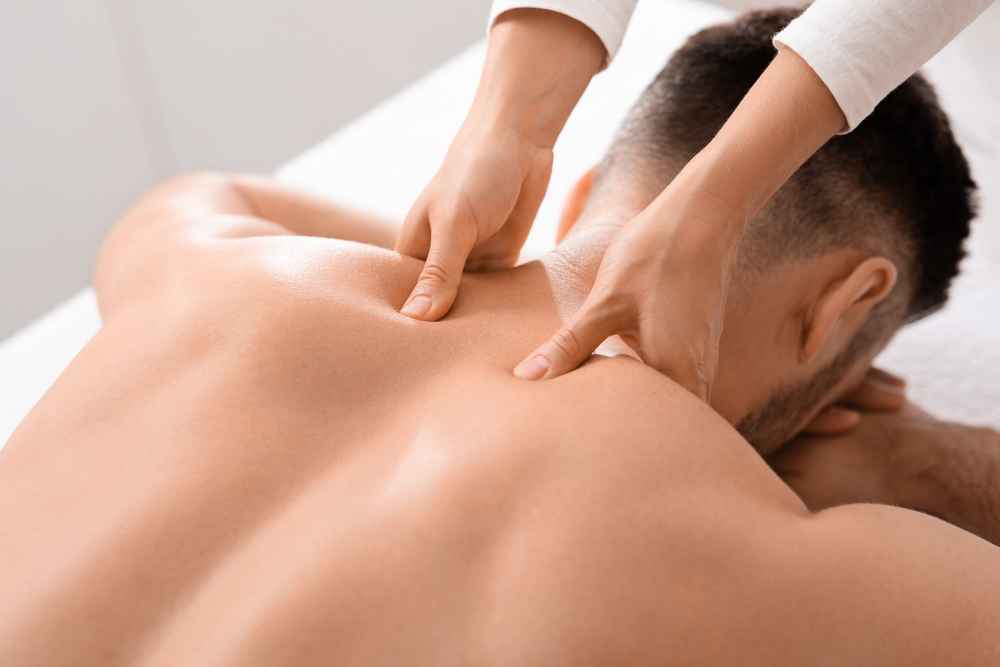
Massage therapy offers physical and mental relief, improving circulation, reducing tension, and promoting relaxation. While the benefits are widely recognized, safety remains a key concern. A massage therapy program online can help aspiring therapists learn proper techniques, contraindications, and hygiene practices. Even clients benefit from understanding safety measures, which prevent injuries or complications. Prioritizing precautions ensures each session is comfortable, effective, and therapeutic. This post will explore essential tips that both clients and therapists should follow to maintain safety, enhance relaxation, and ensure every massage session delivers maximum benefits without risk.
Consult Your Healthcare Provider First
Medical consultation is crucial before starting massage therapy, especially for individuals with chronic conditions, injuries, surgeries, or during pregnancy. A healthcare provider can assess risks, recommend techniques, and suggest modifications to prevent aggravating existing conditions. Consulting a professional ensures sessions are safe and tailored to individual health needs. Therapists benefit from guidance about pressure limits and restricted areas. Proactive consultation reduces risks of complications, provides clarity for both client and therapist, and fosters confidence that each session prioritizes well-being while delivering relaxation and therapeutic benefits.
Choose a Licensed and Certified Therapist
Verifying the credentials of a massage therapist ensures professional competence and safe practice. Licensed therapists are trained to understand anatomy, contraindications, and correct body mechanics. Certification reduces risks of injuries such as muscle strains, joint stress, or nerve damage. While massage therapy program online courses teach foundational skills, hands-on training and verified licensure remain essential. A qualified therapist uses evidence-based techniques while maintaining hygiene standards. Choosing a certified professional builds trust, ensures safety, and maximizes session effectiveness. This decision protects clients and ensures each massage provides genuine therapeutic value.
Communicate Your Health History Clearly
Clients should provide comprehensive health information, including medications, allergies, injuries, chronic illnesses, or previous surgeries. Accurate disclosure allows therapists to adjust techniques, select safe pressure points, and avoid areas at risk. Miscommunication can lead to unintended injury, discomfort, or complications. Documenting health history also protects both the client and therapist legally and medically. Clear communication ensures a customized session that considers individual needs, fosters trust, and maintains safety. Open discussion about health concerns improves therapist decision-making, allowing massage therapy to remain therapeutic, relaxing, and fully aligned with client well-being.
Follow Proper Hygiene Practices
Maintaining hygiene is critical for safe massage therapy sessions. Therapists should wash hands thoroughly, use sanitized linens, and clean massage equipment between clients. Gloves may be required in specific circumstances. Clients should shower before sessions and disclose any contagious conditions or skin issues. Cleanliness reduces infection risk, skin irritation, and cross-contamination. Good hygiene practices also enhance client comfort and confidence. Maintaining a clean, professional environment ensures the session is both safe and enjoyable. Hygiene remains a fundamental component of every therapeutic massage, fostering professionalism, trust, and a relaxed atmosphere.
Avoid Overexertion During the Session
Clients should speak up about discomfort and avoid enduring pain during massage sessions. Therapists must monitor pressure, technique, and duration to prevent injuries. Overexertion can result in bruising, soreness, or exacerbation of preexisting conditions. Pausing, adjusting strokes, or using gentler techniques helps maintain safety. Regular check-ins and awareness of client limits make sessions more comfortable and beneficial. Encouraging relaxation ensures therapy effectiveness while preventing physical strain. Both parties must remain attentive to sensations, creating an environment where massage delivers intended benefits without causing harm or unnecessary stress.
Safety Tips for Specific Conditions
Certain conditions require tailored safety measures. Pregnant clients benefit from gentle pressure, avoiding abdominal areas. Individuals with high blood pressure, chronic illness, recent surgery, or skin conditions need careful monitoring. Therapists should modify strokes, pressure, and session duration accordingly. Open wounds must be avoided, and areas of sensitivity should not be massaged. Adjusting techniques ensures sessions remain safe and therapeutic. Proper knowledge allows therapists to mitigate risks and maintain client comfort. Safety modifications protect vulnerable clients, prevent complications, and allow massage therapy to deliver benefits even under special circumstances.
Aftercare and Recovery
Post-massage care is vital for maintaining benefits and preventing soreness. Drinking water flushes toxins, while gentle stretching reduces stiffness. Avoiding strenuous activities immediately after sessions prevents strain. Applying heat or cold to sore areas may relieve discomfort. Clients who follow aftercare steps experience longer-lasting benefits and improved recovery. Proper guidance ensures therapy effectiveness extends beyond the session. Educating clients about recovery helps maintain safe practices, reduces injury risks, and promotes overall wellness. Aftercare is an essential extension of safe massage therapy practices for clients seeking optimal results.
Red Flags to Watch Out For
Recognizing warning signs during a massage prevents complications. Sharp or persistent pain, numbness, tingling, swelling, bruising, dizziness, or fainting are red flags. Sessions should stop immediately if these symptoms appear. Clients must report issues promptly, and therapists should adjust techniques or terminate treatment as needed. Seeking medical advice after abnormal symptoms ensures safety. Early recognition of warning signs protects both client and therapist, ensuring massage sessions remain safe, effective, and therapeutic. Awareness of red flags is crucial for maintaining a secure environment and preventing serious injury or health risks.
Educate Yourself About Safe Practices
Knowledge is essential for safe massage therapy. Taking courses, reading reputable guides, or enrolling in a massage therapy program online teaches proper techniques, contraindications, and safety measures. Clients who understand safe practices can better communicate needs, recognize warning signs, and participate in recovery. Therapists gain confidence in delivering sessions safely and effectively. Continuous education empowers both parties to create a secure environment. Being informed supports relaxation, prevents injuries, and maximizes therapeutic outcomes. Education remains a cornerstone of responsible massage practice, ensuring safety and satisfaction during every session.
Conclusion
Massage therapy provides physical relief, stress reduction, and overall wellness. Safety measures including medical consultation, licensed therapists, health communication, hygiene, avoiding overexertion, condition-specific adaptations, aftercare, and red flag awareness are essential. Following these precautions ensures that clients enjoy effective, therapeutic sessions without risk. Prioritizing safety protects both clients and therapists, fostering trust and confidence. Being knowledgeable about proper techniques and care empowers individuals to experience maximum benefits while preventing complications. Safe practices make every massage session relaxing, comfortable, and truly beneficial.
FAQs
Q1: How often should I consult a healthcare provider before massage therapy?
Clients with chronic illnesses or recent surgeries should consult their provider before each new type of massage.
Q2: What credentials are essential for a safe therapist?
A licensed and certified therapist has formal training in anatomy, contraindications, and hygiene practices.
Q3: Why is communicating health history important?
Disclosing medical conditions, injuries, or medications allows therapists to customize the session and prevent complications.
Q4: What aftercare steps should clients follow?
Clients should drink water, stretch gently, avoid strenuous activity, and use heat or cold for soreness if needed.
Q5: What symptoms indicate I should stop a massage?
Sharp pain, numbness, swelling, dizziness, or bruising are warning signs that require immediate attention.