In the world of trading, especially forex, compounding is often touted as a powerful strategy for growing capital over time. With the advent of online tools, traders can easily project potential returns using a forex compounding calculator. However, while these calculators are convenient and educational, it’s important to understand their limitations and the factors that can affect accuracy.
Whether you are using a standalone forex compounding calculator or executing trades on a professional Global Stock Trading Platform, understanding how compounding works—and what assumptions these calculators make—is key to realistic expectations.
What Is a Forex Compounding Calculator?
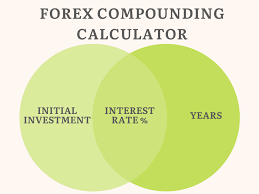
A forex compounding calculator is a digital tool that estimates the growth of your trading account by reinvesting profits over time. Traders enter variables such as:
- Initial investment
- Expected daily, weekly, or monthly return
- Number of trading periods
- Risk management parameters
The calculator then projects your account balance over time using the principle of compounding: earning returns on both your initial capital and the accumulated profits. For beginners, it’s a handy way to visualize potential growth.
Why Traders Use Forex Compounding Calculators
- Visualizing Growth
Compounding can be abstract. A calculator helps traders see how small gains can multiply over weeks or months.
- Planning Risk Management
By adjusting the inputs, traders can see how different risk levels or trade sizes affect potential returns.
- Goal Setting
A forex compounding calculator allows traders to estimate how long it might take to reach a specific financial goal based on realistic expectations.
- Backtesting Strategies
While not a replacement for live testing, calculators help traders gauge how a strategy might perform over time under ideal conditions.
Factors That Affect the Accuracy of Forex Compounding Calculators
Despite their convenience, the projections from these calculators are not guaranteed. Several factors can significantly impact their accuracy:
1. Market Volatility
Forex markets are highly volatile. Daily gains or losses are unpredictable, and most calculators assume consistent returns. Real-world trading often experiences fluctuations, which can make actual growth deviate from projections.
2. Trading Fees and Spreads
Many calculators do not factor in transaction costs, spreads, or commissions charged by brokers. Over time, these costs can reduce net returns significantly.
3. Emotional and Human Factors
Traders rarely execute trades perfectly according to plan. Fear, greed, and impatience can lead to deviations from the strategy used in the calculator, affecting real outcomes.
4. Risk Management Practices
Calculators often assume a fixed percentage gain per period. In reality, traders may adjust position sizes, apply stop-losses, or take profits early—factors that affect compounding.
5. Leverage Use
Leverage can amplify returns, but it also increases risk. A calculator may assume consistent gains with leverage, but in volatile markets, it can lead to significant losses instead.
How to Use a Forex Compounding Calculator Effectively
While online calculators are not perfect, they can still be valuable if used wisely:
- Set Realistic Expectations
Avoid assuming overly high daily or monthly returns. Conservative estimates provide a more practical projection.
- Factor in Costs
Adjust the input to account for spreads, commissions, and other trading costs.
- Combine With Professional Tools
Many traders use calculators alongside a Global Stock Trading Platform, which provides real-time market data, risk metrics, and performance tracking. This combination helps bridge the gap between theoretical projections and actual trading performance.
- Use It for Planning, Not Guarantees
Treat the calculator as a planning tool rather than a guarantee of returns. Use it to test different compounding scenarios, risk levels, and investment durations.
Pros and Cons of Using Forex Compounding Calculators
Pros:
- Helps visualize long-term growth potential
- Useful for beginners learning about compounding
- Allows testing of different strategies and risk levels
Cons:
- Assumes consistent returns, which are unrealistic in live markets
- Often excludes costs, leverage risk, and human error
- Can create false expectations if results are taken literally
Conclusion
A forex compounding calculator is a powerful educational and planning tool for traders looking to understand the effects of compounding. However, its accuracy is limited by market volatility, costs, and human behavior. While it can provide a snapshot of potential growth, traders should never rely on it as a prediction of exact outcomes.
For more realistic insights, combining a calculator with a reliable Global Stock Trading Platform is essential. Such platforms provide live data, risk management tools, and trading analytics that help bridge the gap between theoretical projections and real-world performance.
In summary, online forex compounding calculators are useful for goal setting and strategy planning, but their numbers should always be interpreted cautiously. They work best when paired with disciplined trading, proper risk management, and professional tools to make your forex journey both informed and practical.