Bitcoin has transformed the global financial conversation by introducing a decentralized form of digital money that operates without banks or governments. Since its creation in 2009, bitcoin has grown from an experimental concept into a globally recognized financial asset. As more individuals and institutions explore digital finance, questions such as how does cryptocurrency work often arise in discussions about bitcoin’s technology, purpose, and long-term impact.
What Is Bitcoin?
Bitcoin is a decentralized digital currency designed to enable peer-to-peer transactions over the internet. Unlike traditional currencies issued by central banks, bitcoin is created and managed through a distributed network of computers. It operates without intermediaries, allowing users to transfer value directly to one another.
The limited supply of bitcoin—capped at 21 million coins—sets it apart from fiat currencies, which can be printed in unlimited quantities. This scarcity has played a major role in bitcoin’s appeal as a store of value.
The Origins of Bitcoin
Bitcoin was introduced by an anonymous creator known as Satoshi Nakamoto. The goal was to create a financial system that eliminated the need for trust in centralized institutions. The first bitcoin block, known as the Genesis Block, marked the beginning of blockchain-based currency.
In its early years, bitcoin was primarily used by technology enthusiasts. Over time, growing awareness and adoption pushed bitcoin into mainstream financial discussions.
How Bitcoin Works
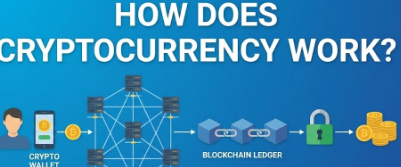
At its core, bitcoin runs on blockchain technology. A blockchain is a public, distributed ledger that records every transaction. When someone sends bitcoin, the transaction is verified by network participants known as miners.
Miners use computational power to solve complex mathematical problems, validating transactions and adding them to the blockchain. In return, miners are rewarded with newly created bitcoin and transaction fees.
Bitcoin Mining and Supply
Bitcoin mining is the process through which new coins enter circulation. Mining ensures network security and transaction integrity. As more bitcoin is mined, the difficulty of mining increases, making the process more resource-intensive.
The bitcoin supply is released at a predictable rate through a process called halving, which reduces mining rewards approximately every four years. This controlled issuance contributes to bitcoin’s deflationary nature.
Why Bitcoin Has Value
Bitcoin derives value from several factors, including scarcity, security, decentralization, and global accessibility. Because bitcoin is not controlled by any government, many users see it as protection against inflation and monetary instability.
The transparency of the bitcoin network also builds trust. Every transaction can be verified publicly, reducing the risk of fraud.
Bitcoin as a Store of Value
Many investors view bitcoin as “digital gold.” Like gold, bitcoin is scarce, durable, and divisible. It can be stored digitally and transferred easily across borders, making it attractive in a globalized economy.
As institutional adoption increases, bitcoin’s role as a long-term investment asset continues to strengthen.
Bitcoin and Financial Inclusion
Bitcoin has the potential to expand financial access worldwide. In regions with limited banking infrastructure, bitcoin allows individuals to store and transfer value using only a smartphone and internet connection.
This accessibility makes bitcoin particularly valuable in developing economies, where traditional financial services may be expensive or unavailable.
Risks and Volatility of Bitcoin
Despite its benefits, bitcoin carries risks. Price volatility is one of the most significant challenges. The value of bitcoin can fluctuate rapidly due to market sentiment, regulation, and macroeconomic factors.
Security risks also exist, particularly when users fail to protect private keys or use unreliable exchanges. Education and responsible storage are essential for safe bitcoin usage.
Bitcoin and Regulation
Governments worldwide continue to debate how to regulate bitcoin. Some countries embrace bitcoin as a legitimate asset, while others impose restrictions or bans. Regulation can influence adoption, investment, and innovation within the bitcoin ecosystem.
Clear regulatory frameworks may help stabilize markets and encourage responsible growth.
Bitcoin vs Traditional Currency
Bitcoin differs fundamentally from traditional currency systems. Fiat currencies rely on central authorities, while bitcoin operates on decentralized consensus. Transactions with bitcoin can be faster and cheaper for international transfers.
However, traditional currencies offer price stability and widespread acceptance, areas where bitcoin is still evolving.
Bitcoin in the Digital Economy
Bitcoin plays a growing role in the digital economy. It is increasingly accepted as a payment method by online merchants and integrated into financial platforms. Payment processors and fintech companies are building services around bitcoin to enhance usability.
As digital commerce expands, bitcoin’s relevance continues to increase.
The Environmental Debate
Bitcoin mining consumes significant energy, sparking debate about environmental impact. Critics argue that mining contributes to carbon emissions, while supporters highlight the growing use of renewable energy in mining operations.
Ongoing innovation aims to make bitcoin mining more energy-efficient and sustainable.
The Future of Bitcoin
The future of bitcoin depends on adoption, innovation, and regulation. Advances in scaling solutions, such as the Lightning Network, aim to improve transaction speed and reduce costs.
As awareness grows, bitcoin may continue to evolve as both a financial asset and a payment system.
Conclusion
Bitcoin has reshaped modern finance by introducing a decentralized, transparent, and secure form of digital currency. While challenges such as volatility and regulation remain, bitcoin’s influence on the global financial system is undeniable. As technology advances and adoption expands, bitcoin is likely to remain a central topic in discussions about the future of money, digital assets, and economic freedom.