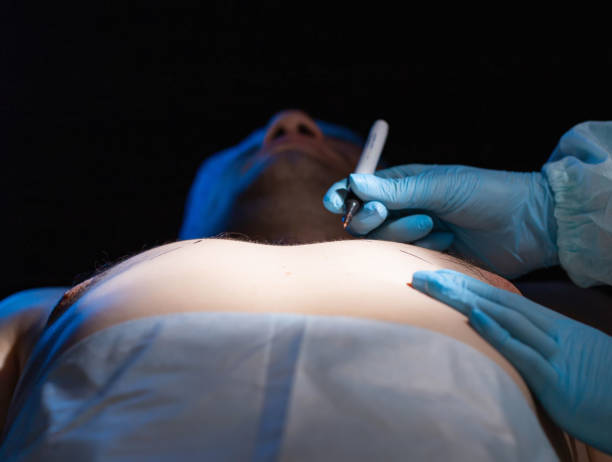
Immediate Postoperative Period
The first few days following gynecomastia surgery are primarily focused on rest and monitoring. Patients may experience mild swelling, bruising, and temporary discomfort around the chest. These are natural responses to surgical tissue removal and manipulation.
Supportive compression garments are typically worn during this period. These garments help maintain the new chest contour, reduce swelling, and provide gentle support to the healing tissues. Wearing them consistently as recommended is essential for optimal results.
Managing Discomfort and Swelling
While pain levels are generally manageable, discomfort can occur due to incisions and tissue adjustment. Simple rest and avoidance of strenuous activities allow the body to heal effectively. Swelling and minor bruising usually peak in the first few days and gradually decrease over one to two weeks.
Cold compresses and gentle care of the surgical area may be advised to support comfort and reduce swelling. These measures help create a smoother and more defined chest contour as healing progresses.
Incision Care and Skin Adaptation
Proper care of surgical incisions is an important part of recovery. While sutures or closures are designed to support healing, keeping the area clean and monitoring for any irregularities ensures smooth tissue recovery.
As swelling decreases, the skin begins to adapt to the new chest contour. Skin elasticity plays a role in how well the area conforms to the underlying tissue, gradually creating a flat, natural appearance. Patients may notice subtle changes over several weeks as the chest settles into its final shape.
Gradual Return to Physical Activity
During the initial recovery period, strenuous activity and heavy lifting are typically restricted. Gentle movements and light activities may be introduced as comfort allows. Over time, patients can gradually resume more rigorous exercises, including upper body workouts, while monitoring for any strain on the chest area.
A gradual return to physical activity helps ensure that the healing tissues remain supported and that the chest maintains its new contour.
Monitoring for Healing Progress
Follow-up appointments are an essential part of the recovery process. These visits allow for monitoring of the healing tissues, assessment of chest symmetry, and early detection of any potential issues.
Healthcare providers evaluate how well the incisions are closing, how swelling is resolving, and how the overall chest contour is developing. Regular monitoring supports a smooth recovery and reinforces confidence in the progress of healing.
Psychological Adjustment and Body Image
Recovery is not only physical but also psychological. Men who undergo gynecomastia surgery may experience a period of adjustment as they adapt to the new appearance of their chest. Increased confidence, comfort in clothing, and willingness to participate in social or physical activities often develop as the chest heals and results become more apparent.
This psychological adaptation is a natural part of recovery and contributes to overall satisfaction with the surgery.
Expected Timeline for Recovery
While recovery timelines vary among individuals, a general framework can be outlined. Most patients see a reduction in swelling and bruising within the first two weeks. By the third or fourth week, light exercise and daily activities can typically resume with minimal restriction.
Full recovery, including the settling of tissues and final chest contour, usually occurs over several months. Patience is important, as gradual changes allow for a more natural and balanced appearance.
Long-Term Maintenance
Maintaining the results of gynecomastia surgery is supported by healthy lifestyle choices. Regular exercise, particularly strength training for the chest and upper body, helps maintain muscle tone and complements the surgical transformation.
A balanced diet and stable weight help preserve the defined chest contour. While the removed glandular tissue does not return, maintaining overall body composition ensures that the chest remains proportional and aesthetically pleasing.
Realistic Expectations
Understanding realistic outcomes is key to satisfaction during recovery. While gynecomastia surgery significantly improves chest appearance, some swelling, minor irregularities, or subtle asymmetry may be present initially. These usually resolve naturally over time as the body heals.
Having a clear understanding of what is typical during recovery helps manage expectations and supports a positive experience throughout the healing process.
Conclusion
Recovery after gynecomastia surgery is a gradual process that involves both physical healing and psychological adjustment. The immediate postoperative period focuses on rest, incision care, and wearing supportive garments. Swelling and bruising gradually subside, while the skin adapts to the newly contoured chest.
Patients can expect a gradual return to physical activity, ongoing monitoring of healing progress, and long-term benefits when complemented by healthy lifestyle habits. Psychological improvements, such as increased confidence and comfort in appearance, often accompany the physical transformation.
By understanding the recovery process, managing expectations, and following recommended care guidelines, men can achieve optimal results and fully enjoy the aesthetic and emotional benefits of gynecomastia surgery. Recovery is not just about healing—it is about embracing the transformation and feeling confident in a chest that aligns with one’s desired body image.