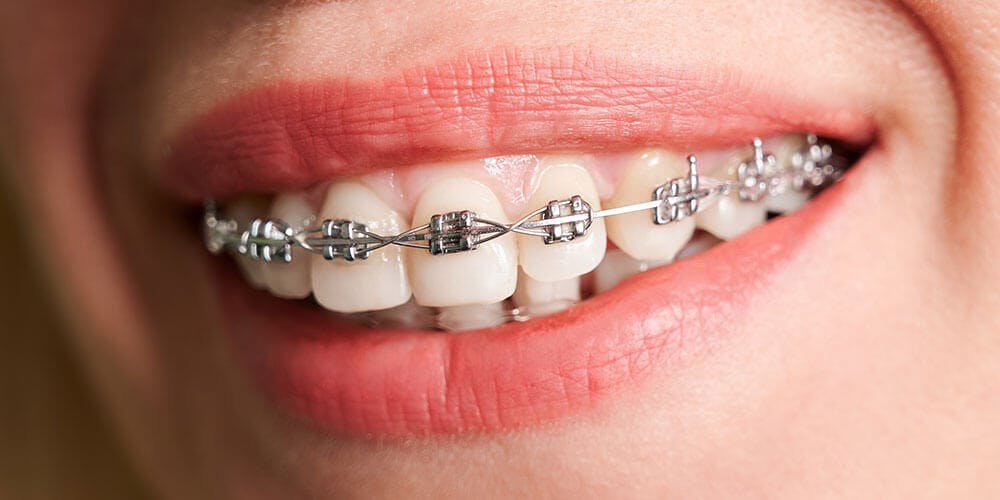
Dental braces are a highly effective way to straighten teeth, correct bite issues, and improve overall oral health. While Dental Braces in Abu Dhabi produce remarkable results, they also create unique challenges for maintaining oral hygiene. The brackets, wires, and other components can trap food and plaque, making routine care more complicated than with natural teeth alone. Understanding how braces affect oral care and adopting special hygiene strategies is essential to ensure successful treatment and long-term dental health.
Why Braces Change Oral Care Needs
Braces consist of brackets attached to teeth and connected with wires, sometimes using elastic bands. While these components gradually move teeth into proper alignment, they also create additional surfaces for bacteria and food particles to accumulate.
Without careful oral care, plaque buildup can lead to tooth decay, gum irritation, and staining around the brackets. Maintaining a clean oral environment ensures that braces work efficiently and helps prevent complications during treatment.
Brushing with Braces
Brushing is the foundation of oral care for anyone with braces. While the basic technique remains the same, some adjustments are necessary to ensure all areas are cleaned thoroughly.
Patients should use a soft-bristled toothbrush or an electric toothbrush with an orthodontic head. Brushing should focus on the following:
-
Above and below brackets: Food can get trapped around the edges of brackets, so brushing above and below them is essential.
-
Along the gumline: Gentle brushing along the gums removes plaque that can accumulate and cause inflammation.
-
Bristle angle adjustments: Holding the brush at a 45-degree angle helps reach areas around wires and brackets.
Brushing should be done at least twice daily, ideally after every meal, to remove trapped food and prevent plaque accumulation.
Flossing with Braces
Flossing becomes more challenging with braces, as wires block direct access between teeth. Special tools such as floss threaders or orthodontic floss can help patients navigate these obstacles.
Flossing should be done once daily to clean between teeth and remove debris that toothbrushes cannot reach. While initially time-consuming, this habit is crucial for preventing cavities, gum inflammation, and bad breath during treatment.
Using Interdental Brushes and Picks
Interdental brushes and picks are small, flexible brushes designed to clean around brackets and between wires. They are especially useful for removing food particles that are difficult to reach with a standard toothbrush.
Patients can use interdental brushes gently to avoid damaging the braces while ensuring thorough cleaning. Incorporating these tools into the daily oral care routine improves overall hygiene and reduces the risk of plaque buildup.
Mouth Rinses and Oral Care Solutions
Antimicrobial mouth rinses can complement brushing and flossing by reducing bacteria and maintaining gum health. Fluoride rinses help strengthen enamel and protect teeth from cavities during orthodontic treatment.
Using mouth rinses as part of a regular oral care routine can enhance the effectiveness of cleaning and contribute to long-term dental health.
Dietary Considerations
Certain foods can affect oral hygiene when wearing braces. Sticky, hard, or sugary foods are more likely to get trapped in brackets and wires, increasing the risk of plaque accumulation and potential damage to the braces.
Patients are encouraged to consume softer foods that are easier to chew and less likely to stick to orthodontic appliances. Cutting food into smaller pieces and rinsing the mouth after meals can also help maintain cleanliness.
Regular Dental Check-Ups
While orthodontic adjustments are typically scheduled every few weeks, regular dental check-ups remain essential during braces treatment. Professional cleanings help remove plaque and tartar that are difficult to eliminate at home.
These visits also allow dental professionals to monitor oral health, detect early signs of problems, and provide guidance on maintaining optimal hygiene with braces.
Special Considerations for Different Types of Braces
Different types of braces may require slightly different oral care approaches:
-
Metal braces: Standard care practices apply, with extra attention to cleaning around brackets and wires.
-
Ceramic braces: These braces are more prone to staining, so careful brushing and flossing are critical to maintain their appearance.
-
Lingual braces: Placed behind the teeth, these braces require careful brushing and possibly more frequent flossing to reach hidden surfaces.
-
Clear aligners: While removable, aligners need to be cleaned regularly, and teeth should be brushed before reinserting trays.
Understanding the specific requirements of the chosen type of braces ensures effective oral care throughout treatment.
Benefits of Maintaining Special Oral Care
Following a dedicated oral care routine during braces treatment offers several benefits:
-
Prevents cavities and gum disease: Proper cleaning reduces the risk of decay and inflammation.
-
Supports treatment efficiency: Clean teeth allow braces to move teeth smoothly without interference from plaque buildup.
-
Enhances aesthetic results: Maintaining clean teeth prevents staining and discoloration around brackets.
-
Promotes long-term oral health: Good habits developed during braces treatment contribute to lifelong dental wellness.
Tips for Making Oral Care Easier
Maintaining oral hygiene with braces may feel time-consuming, but adopting certain habits can simplify the process:
-
Establish a consistent routine for brushing, flossing, and using interdental brushes.
-
Keep a travel-sized toothbrush and floss for on-the-go cleaning.
-
Rinse the mouth with water after meals if brushing is not immediately possible.
-
Follow professional advice for additional cleaning tools or techniques specific to the type of braces.
These practices make oral care more manageable and support successful treatment outcomes.
Conclusion
Dental braces do require special oral care due to the additional surfaces created by brackets, wires, and other components. Proper brushing, flossing, and the use of interdental brushes or floss threaders are essential to remove food debris and prevent plaque buildup. Complementary strategies such as antimicrobial rinses, dietary adjustments, and regular dental check-ups further enhance oral hygiene during treatment.
Maintaining diligent oral care with braces not only protects teeth and gums but also ensures that the orthodontic treatment progresses effectively. By adopting a consistent routine and using the right tools, patients can achieve the desired results of straighter teeth, improved bite, and better overall oral health while avoiding complications during their braces journey.