Facial Areas Commonly Treated with Microneedling
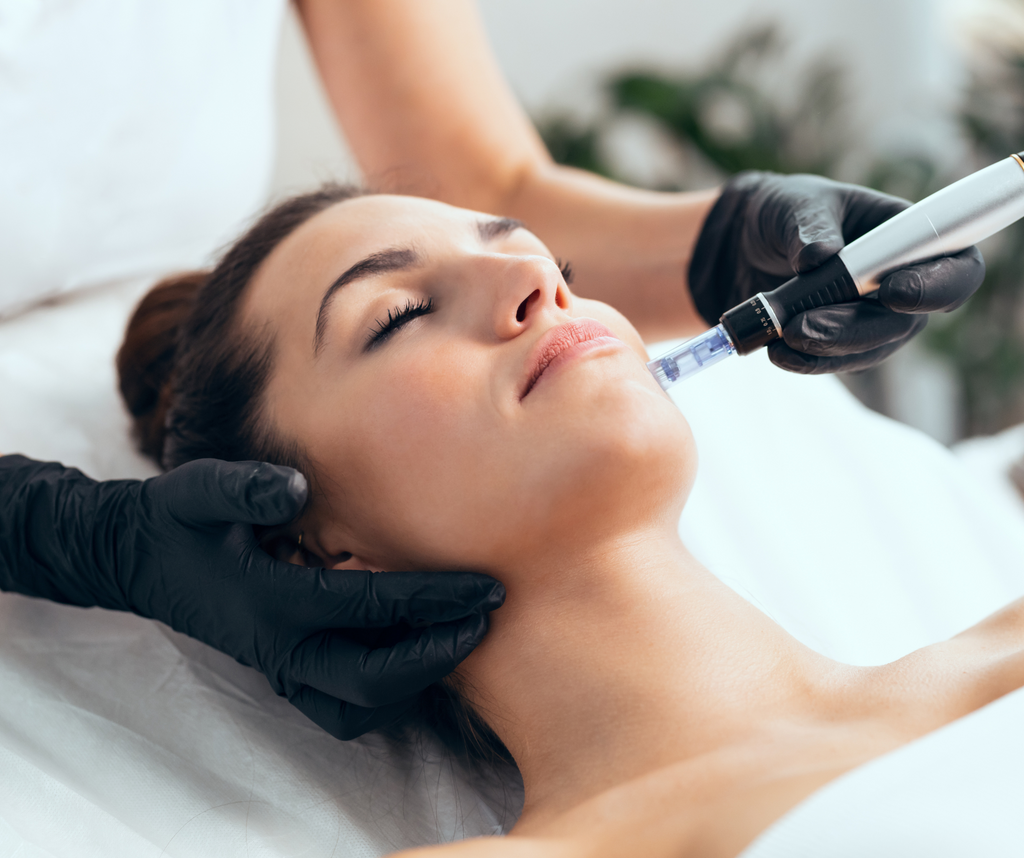
The face is the most common area treated with microneedling for acne scars. Facial skin is frequently affected by acne due to oil production and clogged pores, which can lead to scarring over time. Microneedling can be adapted to treat different facial zones based on skin thickness and scar severity.
The cheeks are particularly responsive to microneedling because acne scars in this area are often rolling or boxcar in nature. These scars respond well to collagen stimulation, leading to smoother skin texture over time. The forehead can also be treated, especially when acne scars create uneven texture or shallow depressions. Careful technique allows collagen rebuilding without disrupting natural facial contours.
The chin and jawline are additional facial areas that can benefit from microneedling. Acne scars in these regions are often linked to hormonal breakouts and can leave persistent textural changes. Microneedling encourages gradual repair, helping the skin appear more even and refined.
Microneedling for Acne Scars on the Neck
Although the neck is often overlooked, it can develop acne scars similar to the face. The skin on the neck is thinner and more delicate, which requires a gentler microneedling approach. When performed correctly, microneedling can improve uneven texture and shallow scarring in this area.
Improved collagen production in the neck not only reduces the appearance of acne scars but also enhances overall skin smoothness. Because the neck is highly visible, even subtle improvements can make a noticeable difference in appearance.
Treating Chest Acne Scars with Microneedling
The chest is another common area affected by acne scars, particularly in individuals who experience body acne. Scars on the chest may appear as shallow depressions or uneven texture that becomes more noticeable under certain lighting conditions.
Microneedling can be effective on the chest by encouraging collagen renewal beneath the skin. Over time, this process helps soften scar edges and create a more uniform skin surface. Consistent treatments allow gradual improvement while maintaining a natural look.
Microneedling for Back Acne Scars
The back is one of the most challenging areas for acne scars due to thicker skin and deeper scarring. Acne scars on the back can be widespread and vary in depth. Microneedling can be adapted for larger surface areas, making it suitable for treating back acne scars.
Collagen stimulation in this region helps reduce the depth of scars and smooth uneven patches. Although results may take longer compared to facial treatments, consistent microneedling sessions can lead to noticeable improvements in skin texture over time.
Shoulder and Upper Arm Areas
Shoulders and upper arms are prone to acne scars, especially in individuals who experience frequent breakouts or friction in these areas. Scars here may appear as small indentations or rough texture rather than deep pits.
Microneedling helps refine skin texture by encouraging natural repair processes. Over time, the skin becomes smoother and more even, making scars less noticeable and improving overall skin quality in these exposed areas.
Customization for Different Body Areas
One of the strengths of microneedling is its adaptability. Skin thickness and sensitivity vary depending on the area being treated, and microneedling techniques can be adjusted accordingly. Shallower depths may be used for delicate areas, while deeper stimulation can be applied to thicker skin regions.
This customization ensures that microneedling remains effective while supporting natural healing across different parts of the body. The ability to tailor treatment makes microneedling suitable for both small, targeted areas and larger surfaces affected by acne scars.
Consistency and Area-Specific Results
Results from microneedling can vary depending on the area treated. Facial skin often shows faster improvements due to higher circulation and collagen activity. Body areas such as the back or chest may require more sessions to achieve noticeable changes.
Regardless of location, microneedling produces gradual improvements. Over time, scars appear shallower, texture becomes smoother, and skin tone looks more even. Patience and consistency play an important role in achieving visible results across all treated areas.
Frequently Asked Questions About Treatment Areas
Can microneedling be used on both face and body
Yes, microneedling can be used on both facial and body areas affected by acne scars. Techniques are adjusted based on skin thickness and sensitivity.
Is microneedling effective for large areas like the back
Microneedling can treat large areas such as the back. While results may take longer, consistent treatments can significantly improve scar appearance and texture.
Are delicate areas safe for microneedling
Delicate areas such as the neck can be treated with microneedling using a gentler approach that supports natural healing and collagen production.
Does microneedling work the same on all areas
The process is similar, but results may vary depending on skin thickness, circulation, and scar depth. Some areas respond more quickly than others.
Can multiple areas be treated over time
Yes, microneedling can be performed on different areas over time as part of a comprehensive acne scar improvement plan.
Conclusion
Microneedling is a versatile treatment that can address acne scars on many parts of the body, including the face, neck, chest, back, shoulders, and arms. By stimulating natural collagen production, it works beneath the skin’s surface to reduce scar depth and improve texture across various areas. While results may vary depending on location and scar severity, consistent microneedling treatments can lead to smoother, more even-looking skin over time. Its adaptability makes it a valuable option for individuals seeking gradual and natural improvement in acne scars across multiple body areas.