Understanding Resistant Fat Cells
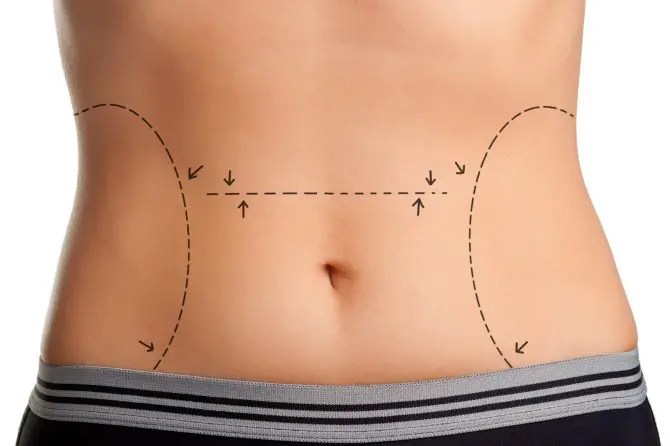
Resistant fat cells are fat deposits that do not respond easily to traditional weight-loss methods. While overall weight may decrease through diet and exercise, these stubborn fat pockets can remain, causing an uneven body shape. Common locations include the lower abdomen, inner and outer thighs, hips, flanks, upper arms, back, and under the chin.
Factors contributing to resistant fat include:
-
Genetics: Some individuals are predisposed to store fat in certain areas, making it difficult to reduce naturally.
-
Hormonal influences: Hormones such as cortisol, estrogen, and insulin can affect fat distribution, especially around the abdomen and hips.
-
Age-related changes: As the body ages, metabolism slows, and skin elasticity decreases, making fat more persistent in certain regions.
-
Lifestyle limitations: Even with diet and exercise, localized fat can remain stubborn due to its unique cellular structure and blood supply.
These resistant fat cells often frustrate individuals who maintain healthy habits but struggle to achieve desired body contours.
How Liposuction Targets Fat Cells
Liposuction works by physically removing fat cells from targeted areas. Unlike weight loss, which shrinks fat cells, liposuction eliminates them entirely, preventing them from returning in the same treated areas.
The procedure involves:
-
Incisions: Small, discreet incisions are made in the treatment area to allow access to the fat layer.
-
Cannula insertion: A thin, hollow tube called a cannula is inserted through the incisions. The cannula is carefully maneuvered to loosen fat cells.
-
Fat removal: Using suction, the loosened fat cells are extracted from the body. This precise removal allows surgeons to sculpt the area and enhance body contours.
Modern liposuction techniques, such as tumescent, laser-assisted, and ultrasound-assisted methods, improve the precision of fat cell targeting. These techniques minimize trauma to surrounding tissues, enhance skin retraction, and allow for smoother, more natural-looking results.
Areas Most Commonly Treated
Resistant fat cells tend to accumulate in predictable areas that are well-suited for liposuction treatment, including:
-
Abdomen: Lower and upper abdominal fat can resist diet and exercise.
-
Thighs: Inner and outer thighs often maintain stubborn fat pockets.
-
Hips and flanks: Commonly known as love handles, these areas are difficult to reduce through lifestyle alone.
-
Upper arms: Excess fat in the upper arms can create a heavier appearance.
-
Back: Upper and lower back fat can be challenging to tone naturally.
-
Chin and neck: Submental fat creates a less defined jawline.
By targeting these regions, liposuction reshapes the body and enhances overall symmetry and proportion.
Precision and Contouring
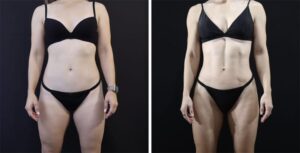
One of the advantages of liposuction over traditional weight-loss methods is its precision. Surgeons can sculpt specific areas to create smooth, natural contours. This targeted approach allows resistant fat cells to be removed without affecting surrounding tissues or disrupting overall body composition.
The result is a refined silhouette that complements an individual’s natural body shape. Unlike general weight loss, which may leave disproportionate fat deposits, liposuction ensures that treated areas are balanced and proportionate.
Recovery and Maintenance
After liposuction, recovery involves managing swelling, bruising, and mild discomfort. Compression garments are typically worn to support tissues, control swelling, and enhance contouring. Light activity is encouraged early to promote circulation, while strenuous exercise is gradually reintroduced based on the surgeon’s guidance.
While liposuction permanently removes fat cells in treated areas, maintaining a healthy lifestyle is essential. Weight gain can affect untreated areas, and skin elasticity may change with age, which can slightly alter the appearance of the results over time.
Emotional and Aesthetic Benefits
Targeting resistant fat cells can significantly improve self-confidence and body satisfaction. Many individuals experience increased comfort in clothing, enhanced body proportion, and motivation to maintain their results through diet and exercise.
By removing fat cells that have resisted traditional weight-loss efforts, liposuction offers both aesthetic and psychological benefits, allowing individuals to achieve the body shape they have long desired.
FAQs About Targeting Resistant Fat Cells
Can liposuction remove all stubborn fat?
Liposuction effectively removes fat cells in targeted areas, but it is best suited for moderate, localized fat pockets rather than large-scale weight reduction.
Are the fat cells permanently gone?
Yes, the fat cells removed during liposuction are permanently eliminated, but remaining fat cells in untreated areas can enlarge with weight gain.
Does liposuction improve overall body symmetry?
Yes, by targeting resistant fat cells, liposuction enhances proportion and creates smoother, balanced contours.
How soon are results visible?
Initial results appear soon after swelling begins to subside, with final contours visible over several months as tissues settle.
Is liposuction safe for all resistant fat areas?
When performed by a qualified surgeon, liposuction is safe for commonly resistant fat areas such as the abdomen, thighs, hips, arms, back, and chin.
Final Thoughts on Liposuction and Resistant Fat
Liposuction surgery offers a precise and effective solution for targeting resistant fat cells that do not respond to diet or exercise. By physically removing these fat cells, the procedure reshapes the body, enhances symmetry, and provides long-lasting aesthetic improvement.
While it is not a replacement for overall weight management, liposuction allows individuals to address specific problem areas, achieving refined contours and renewed confidence. Combined with a healthy lifestyle, the results can be permanent and transformative, helping patients achieve the body shape they have struggled to attain naturally.