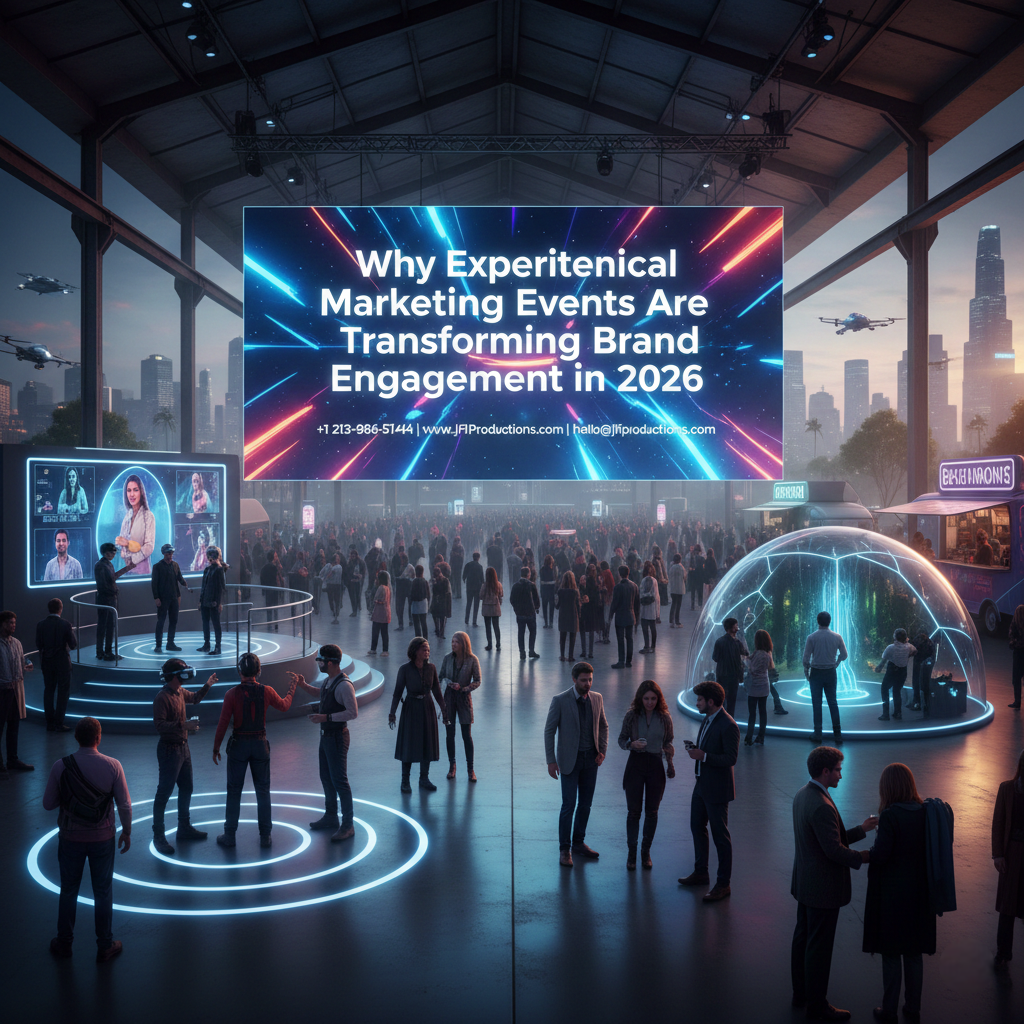
In today’s digital-first world, brands face a growing challenge: how to truly connect with audiences in a meaningful, memorable way. With endless online ads, social feeds, and digital noise competing for attention, companies are turning to a powerful solution Experiential Marketing Events.
These events go far beyond traditional marketing. They immerse audiences in hands-on, interactive brand experiences designed to spark emotion, build trust, and create lasting loyalty. Whether it’s an immersive installation, a pop-up activation, or a large-scale themed experience, experiential events are redefining how brands communicate with customers.
What Are Experiential Marketing Events?
Experiential Marketing Events are live brand activations designed to engage consumers through real-time interaction. Rather than pitching a product, they invite people to experience a brand’s values, personality, and message in a tangible way.
These events may include:
- Immersive themed environments
- Interactive product demos
- Story-driven installations
- Live performances or theatrical activations
- Sensory-driven experiences (sound, scent, visuals)
The goal is simple: create memorable moments that inspire audiences to connect, share, and return.
Why Experiential Marketing Works Better Than Traditional Advertising
Traditional advertising informs.
Experiential marketing transforms.
Most marketing strategies focus on telling consumers what a product is. But experiential marketing shows them how it feels. Studies show that emotional engagement leads to higher brand recall, stronger purchase intent, and more organic sharing.
Here’s why experiential events are so effective:
1. They Create Emotional Impact
People remember feelings—not slogans.
When audiences participate in a hands-on brand moment, they form emotional associations that last far longer than an ad impression.
2. They Encourage Social Sharing
With visual storytelling at their core, Experiential Marketing Events naturally are “Instagrammable.” Guests love sharing immersive environments, behind-the-scenes moments, and surprises—giving brands free organic exposure.
3. They Build Trust Through Authentic Interaction
Consumers want authenticity.
Experiential activations provide real conversations, real engagement, and real experiences—fostering genuine loyalty.
4. They Drive Higher ROI
Compared to traditional marketing, experiential events generate:
- Higher engagement
- Longer audience attention span
- More data-driven insights
- Stronger conversion potential
The Rise of Experiential Marketing in Major Cities
Cities like Los Angeles, New York, and Chicago are now hubs for immersive brand activations. LA, in particular, has become a creative playground for companies seeking unique, theatrical experiences that combine storytelling with marketing.
Brands across industries—fashion, tech, entertainment, beauty, and hospitality—are using experiential events to launch products, promote movies, celebrate anniversaries, or simply generate buzz.
With consumers craving authenticity and connection, Experiential Marketing Events have become a powerful tool in every brand strategist’s toolkit.
What Makes Experiential Marketing Events Successful?
Creating an unforgettable experiential event requires much more than flashy décor. The most successful events follow key principles:
1. Immersive Storytelling
People want to feel like they’re stepping into a new world.
An experiential event should transport guests and make them part of a larger narrative.
2. Multi-Sensory Experiences
Engaging sight, sound, scent, taste, and touch amplifies emotional memory.
The more senses activated, the more memorable the experience.
3. Seamless Interactivity
Guests should be able to touch, move, explore, and influence the environment.
Interactivity turns passive visitors into active participants.
4. Authentic Brand Integration
The experience must reflect the brand’s identity not feel like a forced promotion.
Authenticity builds trust and deepens connection.
5. Shareable Moments
From photo stations to surprise performances, the best experiential events encourage guests to capture and share their journey.
How Experiential Marketing Fuels Brand Loyalty
One of the strongest benefits of experiential activations is long-term loyalty. When consumers feel personally connected to a brand story, their relationship becomes emotional rather than transactional.
Experiential events help brands:
- Foster community
- Encourage repeat engagement
- Build customer advocacy
- Create long-term brand ambassadors
A single unforgettable experience can spark years of loyalty.
Who Benefits Most from Experiential Marketing Events?
Experiential marketing is effective for nearly every industry, including:
- Entertainment
- Film and TV
- Food and beverage
- Fashion
- Technology and electronics
- Travel and hospitality
- Gaming
- Consumer goods
Whether launching a product, building awareness, or re-engaging long-time fans, experiential events create opportunities that traditional marketing simply can’t match.
Conclusion
In a world oversaturated with digital ads, Experiential Marketing Events offer brands a powerful way to stand out—by creating real, emotional, and memorable connections. They turn consumers into participants, participants into fans, and fans into lifelong ambassadors.
As the demand for immersive experiences continues to grow, brands that embrace experiential marketing will lead the way in shaping the future of engagement, storytelling, and customer loyalty.
FAQ: Experiential Marketing Events
Q1: What is the main purpose of an experiential marketing event?
A: The purpose is to engage audiences emotionally and physically through interactive brand experiences, creating stronger connections than traditional advertising.
Q2: Are experiential marketing events expensive to produce?
A: Costs vary widely based on scale, design, and location. However, many brands find the ROI significantly higher compared to traditional campaigns.
Q3: Do experiential events work for small businesses?
A: Absolutely. Even small pop-up activations or interactive product demos can generate a big impact with the right creative strategy.
Q4: How long should an experiential event last?
A: Events can range from one-day pop-ups to month-long installations. The ideal duration depends on your goals, budget, and engagement strategy.
Q5: Why are sensory experiences important in experiential marketing?
A: Multi-sensory engagement deepens emotional memory, making audiences more likely to remember and share the experience.