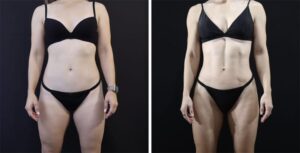
Immediate Recovery: The First Few Days
The initial phase of recovery begins immediately after the procedure. During this time, the body focuses on healing tissues and adjusting to the changes caused by fat removal. Swelling and bruising are common as the body responds to the procedure, and these symptoms gradually subside over the first few days.
Most individuals are encouraged to rest and avoid strenuous activity during this phase. While daily activities can often be resumed within a short period, care should be taken to allow the body to heal properly and minimize any strain on treated areas.
Short-Term Recovery: The First Two Weeks
Within the first one to two weeks after liposuction, swelling and bruising typically begin to decrease, and treated areas start to show more defined contours. Many individuals can return to light daily activities during this period, though caution is advised to avoid excessive movement that could impact the healing tissues.
Compression garments are often worn to help support the treated areas, promote proper tissue adaptation, and reduce swelling. These garments assist the skin in conforming to the new contours and provide gentle pressure that encourages smoother results.
Medium-Term Recovery: Weeks Three to Six
By the third week, most swelling and bruising have significantly diminished, and individuals begin to notice clearer changes in body shape. The skin and underlying tissues continue to adjust to the removal of fat, and any minor irregularities gradually smooth out.
During this phase, individuals can typically resume moderate physical activity, including walking and light exercise. However, high-impact activities or heavy lifting should still be approached cautiously to avoid stressing the healing areas. Regular movement during this period helps improve circulation and supports the body’s natural healing processes.
Long-Term Recovery: Beyond Six Weeks
Six weeks after liposuction, most individuals have recovered substantially, with swelling largely resolved and contours becoming more apparent. At this stage, it is often possible to resume more vigorous physical activities, including strength training and cardiovascular exercise, as long as the body feels ready.
It is important to remember that complete tissue adaptation and final results may take several months. The body continues to heal beneath the surface, with skin tightening and underlying structures settling into their new positions over time. Patience during this stage ensures optimal long-term outcomes.
Factors That Influence Recovery Time
Extent of the Procedure
The number of areas treated and the amount of fat removed can significantly affect recovery time. Larger or multiple treated areas may require longer periods of rest and support to allow proper healing, while smaller, more localized procedures often involve shorter recovery periods.
Individual Health and Age
Overall health, age, and lifestyle habits play a critical role in how quickly the body recovers. Younger individuals or those in good physical condition often experience faster healing, while older individuals or those with underlying health considerations may require additional time for tissue recovery.
Skin Elasticity
Skin elasticity affects how well the body conforms to new contours after fat removal. Areas with good elasticity tend to adjust more quickly, while areas with looser skin may take longer to show final results and smooth contours.
Post-Procedure Care
Following recommended post-procedure care, including wearing compression garments, staying hydrated, and maintaining moderate activity levels, can help support the healing process. Proper care encourages smooth recovery and enhances long-term results.
Emotional and Psychological Recovery
Recovery from liposuction is not only physical but also psychological. Many individuals experience a period of adjustment as they get used to their new body shape. Patience and self-care during this phase are important for both satisfaction and well-being.
Observing gradual improvements in body contours and physical appearance can enhance confidence, motivation, and overall emotional satisfaction throughout the recovery period.
Tips for a Smooth Recovery
Even without mentioning medications or treatments, several lifestyle approaches can support recovery:
-
Gentle Movement: Light daily activity helps circulation and prevents stiffness in treated areas.
-
Balanced Nutrition: Providing the body with essential nutrients supports tissue repair and overall wellness.
-
Rest: Adequate rest allows the body to focus energy on healing and tissue adaptation.
-
Patience: Understanding that final results take time encourages realistic expectations and reduces frustration.
Frequently Asked Questions About Liposuction Recovery
How soon can I resume normal activities?
Most individuals can resume light daily activities within a few days and gradually increase activity over the following weeks.
When will I see final results?
While initial changes are visible within weeks, final results typically appear over several months as swelling subsides and tissues adapt.
Does recovery vary by area treated?
Yes, larger or multiple areas may take longer to heal, while smaller, localized treatments often recover faster.
Can I exercise during recovery?
Moderate activity can usually resume within a few weeks, with more vigorous exercise starting around six weeks, depending on individual healing.
What factors speed up recovery?
Overall health, proper rest, gentle activity, good nutrition, and wearing compression garments all support a smoother and faster recovery.
Conclusion
Recovery from liposuction is a gradual process that involves physical healing, tissue adaptation, and emotional adjustment. While initial changes in body shape are visible soon after the procedure, full recovery typically takes several weeks to months, depending on the extent of treatment, individual health, and care during healing.
By understanding the timeline of recovery, following supportive practices, and maintaining patience, individuals can ensure the best possible outcomes. The combination of gradual healing, long-term contour improvement, and enhanced confidence makes liposuction a transformative procedure with lasting benefits.