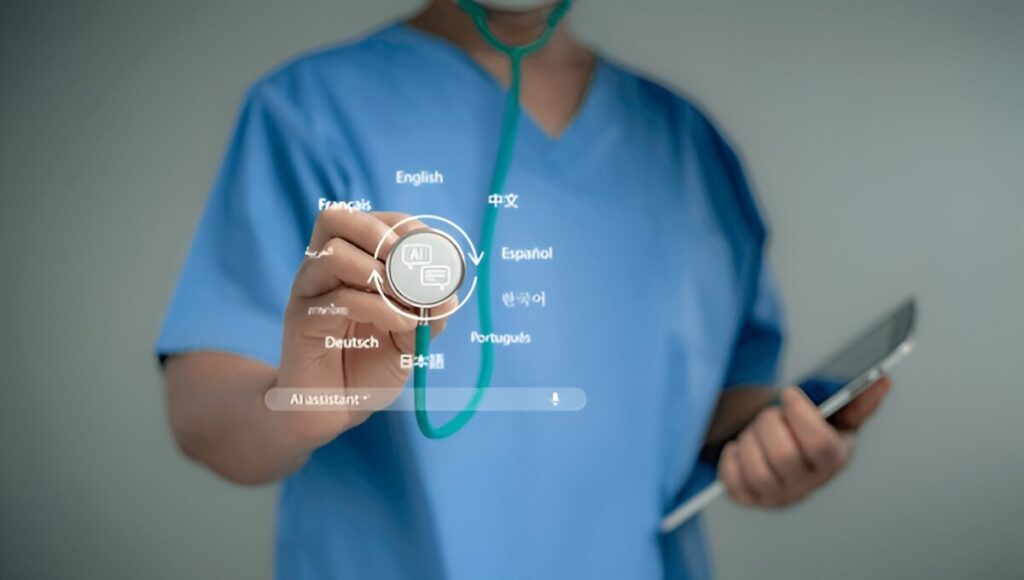
In the U.S., where over 350 languages are spoken and minority groups are projected to become the majority by 2045, multilingual patient support has become a critical component of quality healthcare. Language barriers in medicine aren’t just a convenience issue—they’re a matter of safety, equity, and trust. This blog post explores how multilingual support can transform healthcare outcomes, the tools making it possible, and why partnering with U.S.-based healthcare call centers is essential for success.
Why Multilingual Support Matters in Healthcare
Growing Diversity in Patient Populations
The U.S. is a mosaic of cultures. Spanish, Mandarin, Vietnamese, Arabic, and Hindi are among the most commonly spoken non-English languages. For many patients, navigating healthcare in a second language—especially medical jargon—can be overwhelming.
How Language Barriers Affect Care
When communication falters, so does care. Studies show that patients with limited English proficiency (LEP) face higher risks of medical errors, misdiagnoses, and dissatisfaction. For example, a Spanish-speaking patient might misunderstand dosage instructions for a medication, leading to adverse effects.
Why Clear Communication Saves Lives and Reduces Errors
Clear, culturally sensitive communication isn’t optional—it’s a life-saving necessity. It ensures informed consent, accurate symptom reporting, and adherence to treatment plans.
What Is Multilingual Patient Support? (Simple Explanation)
Multilingual patient support means providing healthcare services, like appointment scheduling or insurance guidance, in the language and cultural context patients prefer.
Who Provides It?
- U.S.-based healthcare call centers
- Healthcare BPOs (Business Process Outsourcing)
- Hospitals and health plans
Translation vs. Real-Time Support
- Translation services convert documents (e.g., forms, brochures) into multiple languages.
- Real-time support includes live agents or digital tools that assist patients during calls, chats, or virtual visits.
Why Healthcare Needs Multilingual Patient Support
- Better Patient Understanding
Patients grasp instructions and diagnoses more clearly when information is in their primary language. - Fewer Medical Misunderstandings
Miscommunication often leads to medication errors or skipped appointments. Multilingual support reduces this risk. - Higher Patient Trust and Satisfaction
When patients feel heard and understood, they’re more likely to trust their providers and follow treatment plans. - Better Treatment Adherence
Clear communication ensures patients take medications correctly and attend follow-up appointments.
Key Services in Multilingual Patient Support
Appointment Scheduling & Reminders
- Booking in preferred languages via calls, SMS, or apps.
- Reducing no-shows by sending reminders in the patient’s native language.
Patient Education & Care Guidance
- Simplifying complex diagnoses (e.g., explaining diabetes in plain Spanish).
- Clarifying medication regimens to avoid confusion.
Insurance & Billing Support
- Helping patients understand health plan benefits and copays.
- Assisting with claims, payments, or appeals in their language.
Telehealth Assistance
- Guiding patients through virtual visits via platforms like Zoom or Epic.
- Providing real-time tech support in languages like Mandarin or Hindi.
Chronic Care & Follow-Up Calls
- Monitoring recovery progress for patients with chronic illnesses.
- Offering personalized guidance for long-term care.
Common Languages Supported
U.S.-based onshore healthcare contact centers typically offer support in:
- Spanish (spoken by over 41 million Americans)
- Mandarin and Hindi (growing Asian American populations)
- Arabic, Tagalog, Vietnamese, French, and more.
Technology Behind Multilingual Support
Modern healthcare leverages innovative tools:
- AI Translation Tools: Apps like Google Translate or Babylon Health break down language gaps.
- Omnichannel Platforms: Patients can reach out via calls, SMS, WhatsApp, or chat in their language.
- CRM & EHR Integration: Linking communication tools with patient records ensures seamless, personalized care.
HIPAA Compliance & Data Security
Multilingual support is only effective if it’s secure:
- Trained bilingual agents adhere to HIPAA rules.
- Encrypted platforms protect patient data during calls, chats, or video visits.
- Privacy protocols ensure confidentiality when handling sensitive health information.
Benefits for Patients, Providers, and Payers
- Patients: Improved health outcomes and fewer medical mistakes.
- Providers: Reduced hospital readmissions and streamlined workflows.
- Payers: Lower costs from fewer errors and better care coordination.
How to Choose the Right Multilingual Support Partner
- Language Coverage: Ensure they support the languages your patients need.
- Healthcare Experience: Opt for partners specialized in multilingual patient support.
- HIPAA Compliance: Verify that the partner follows strict privacy standards.
- 24/7 Availability: Choose U.S.-based healthcare call centers for reliable, timely support.
Future of Multilingual Patient Support
- Real-Time AI Translation
Imagine a virtual assistant that translates a doctor’s speech in real-time while preserving medical accuracy. - Personalized Patient Journeys
AI-driven tools will adapt support based on a patient’s linguistic and cultural preferences. - Expansion to New Languages
As the U.S. becomes more diverse, onshore healthcare contact centers will likely add support for lesser-spoken languages.
Conclusion: Bridging the Gap, Healing the Divide
Multilingual patient support isn’t just about speaking the same words—it’s about building bridges. For healthcare leaders, investing in multilingual patient support through U.S.-based call centers means investing in equity, safety, and efficiency. For patients, it means better health, dignity, and empowerment.
The future of care is inclusive. It’s time to break down the barriers—and build a healthier tomorrow, one language at a time.