Understanding Premature Ejaculation
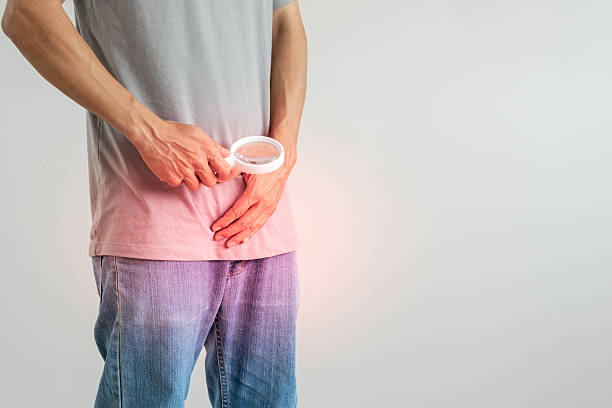
Premature ejaculation occurs when ejaculation happens sooner than desired during sexual activity. It may happen before or shortly after penetration and can cause distress for both partners. PE can be influenced by psychological factors such as anxiety or stress, as well as physical factors related to sexual response.
Treatment success depends on identifying the underlying causes and tailoring approaches accordingly. Not all instances of PE are the same, and recognizing individual patterns is key to achieving meaningful results.
Types of Treatment Approaches
Treatment for premature ejaculation typically involves three main approaches:
-
Behavioral techniques
-
Psychological strategies
-
Medical support
Each approach targets different aspects of PE, and combining them often yields the best results.
Behavioral Techniques
Behavioral techniques focus on training the body and mind to delay ejaculation. Exercises involve recognizing physical sensations associated with approaching orgasm and practicing methods to reduce stimulation or pause.
These techniques help men develop greater control over timing, which gradually improves sexual performance. The consistent application of behavioral strategies has been shown to produce noticeable results over time.
Psychological Strategies
Psychological factors, including performance anxiety and stress, often contribute to premature ejaculation. Addressing these mental and emotional components through counseling or guided exercises helps men manage triggers and build confidence.
Psychological strategies also help men improve focus, reduce tension during intimacy, and develop a positive mindset. When combined with behavioral techniques, they significantly enhance the effectiveness of treatment.
Medical Support
For some men, medical approaches may complement behavioral and psychological methods. Medical options are evaluated for individual suitability and are designed to regulate physiological control over ejaculation.
When applied appropriately, medical support can help accelerate improvements in timing and performance, especially when other approaches alone are insufficient.
How Success Is Measured
Treatment success is not solely about extending the duration of sexual activity. Men often report improvements in:
-
Control over ejaculation
-
Confidence and reduced anxiety
-
Satisfaction for both partners
-
Emotional well-being and intimacy
Even small, incremental improvements can have a meaningful impact on performance and relationships.
Factors That Influence Effectiveness
Several factors influence how well treatment works for premature ejaculation:
-
Consistency: Regular practice of behavioral exercises or adherence to strategies enhances results.
-
Underlying causes: Psychological or physical factors contribute differently, so addressing the right cause is essential.
-
Commitment to lifestyle support: Stress management, physical fitness, and emotional balance support treatment effectiveness.
-
Communication with a partner: Open dialogue about intimacy helps reduce pressure and improves outcomes.
Understanding and addressing these factors increases the likelihood that treatment will be effective.
Realistic Expectations
It’s important to maintain realistic expectations. Treatment for premature ejaculation often requires time and patience. Results usually develop gradually, and consistent effort is needed to achieve lasting improvement.
Success is measured not just by longer duration but by enhanced confidence, emotional comfort, and mutual satisfaction. Men who stay engaged in treatment strategies are more likely to see meaningful, long-term benefits.
Frequently Asked Questions (FAQs)
Does premature ejaculation treatment actually work?
Yes. Evidence and experience show that behavioral, psychological, and medical approaches can significantly improve control, confidence, and sexual satisfaction when applied consistently.
How long before I notice improvements?
Results vary by individual and treatment type. Behavioral and psychological techniques often produce gradual improvements within a few weeks to months, while some combined strategies may accelerate progress.
Can combining approaches improve effectiveness?
Yes. Integrating behavioral, psychological, and medical methods often yields the best outcomes by addressing both physical and emotional factors simultaneously.
Do lifestyle habits matter?
Absolutely. Maintaining a healthy lifestyle, managing stress, and supporting emotional well-being enhance treatment effectiveness and contribute to overall sexual health.
Will improvements last?
With continued practice and attention to both physical and emotional well-being, improvements can be long-lasting.
Should a partner be involved in the process?
Open communication with a partner improves understanding, reduces pressure, and can positively influence outcomes for both partners.
Is treatment suitable for all men with PE?
Most men can benefit from treatment. The specific method and combination depend on individual factors such as severity, underlying causes, and personal goals.
Conclusion
Premature ejaculation treatments do work for most men when approached thoughtfully and consistently. Behavioral techniques help develop control, psychological strategies reduce anxiety and improve focus, and medical support can address physiological factors.
Success is measured not only by extended duration but also by improved confidence, emotional balance, and sexual satisfaction. Men who combine treatment with healthy lifestyle habits, open communication, and ongoing practice are most likely to experience lasting improvements in performance and intimate relationships.