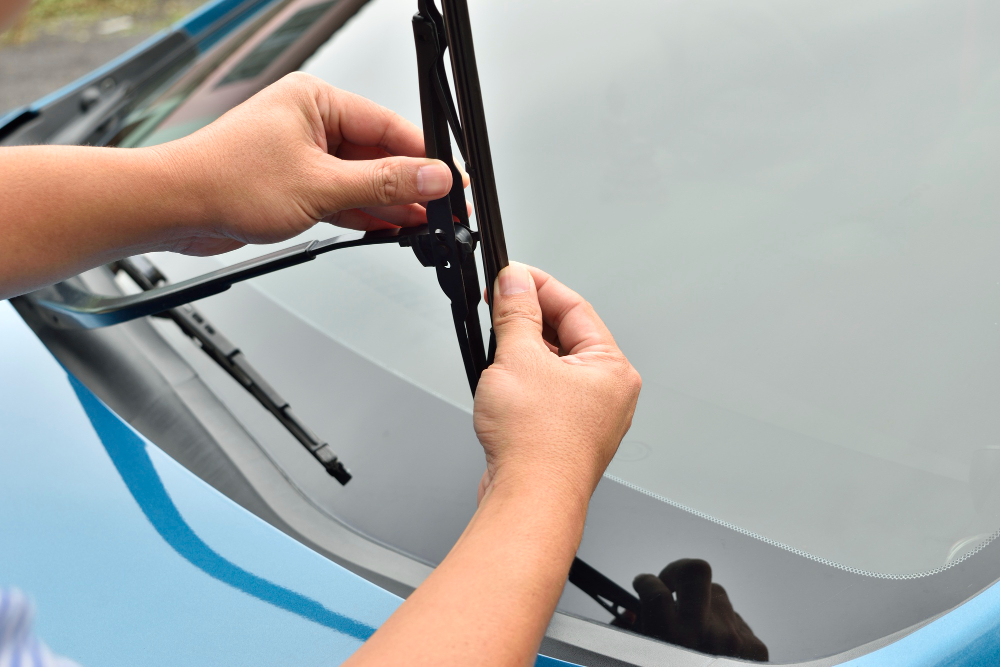
Windscreen wipers are one of the most overlooked yet critical safety components of any vehicle. Whether you are driving through heavy rain, dust, fog, or road grime, properly functioning wipers ensure clear visibility and safer driving.
High-quality Car Windscreen Wipers provide clear visibility in rain, fog, or snow, making every drive safer and more comfortable. Made from durable materials, they deliver smooth, streak-free wiping. Choosing premium wipers improves performance, lasts longer, and helps you stay prepared for sudden weather changes on the road.
Unfortunately, many drivers only pay attention to their wipers when something goes wrong. Understanding common windscreen wiper problems and knowing how to fix them can help you avoid sudden visibility issues and costly windshield damage.
Wiper Blades Leaving Streaks on the Windshield
One of the most common windscreen wiper problems drivers experience is streaking. Instead of clearing water evenly, the blades leave lines of water or residue across the windshield. This usually happens when the rubber edge of the blade becomes worn, hardened, or contaminated with dirt, oil, or road debris.
To fix this issue, start by cleaning the wiper blades using a soft cloth and mild soap or windshield washer fluid. Dirt buildup can reduce blade flexibility and cause uneven wiping. If cleaning does not help, replacing the wiper blades is the most effective solution. Wiper blades typically need replacement every six to twelve months depending on usage and weather conditions.
Wiper Blades Making Squeaking or Chattering Noises
Squeaking or chattering sounds during wiper operation are not just annoying but also a sign that the blades are not gliding smoothly across the windshield. This problem often occurs when the rubber has hardened due to prolonged sun exposure or when the windshield surface is dry or dirty.
The solution begins with cleaning both the windshield and the wiper blades thoroughly. Sometimes residue from car wax or cleaning products creates friction. If the noise continues, it indicates the rubber has lost its flexibility. In such cases, replacing the blades with new ones restores smooth and silent operation.
Wipers Skipping or Jumping Across the Glass
When windscreen wipers skip or jump instead of moving smoothly, it usually points to uneven pressure distribution or twisted wiper arms. Over time, wiper arms can bend slightly due to snow load, manual lifting, or regular wear, causing inconsistent contact with the glass.
To fix this, gently inspect the wiper arms and ensure they sit evenly against the windshield. Slight adjustments can sometimes restore proper pressure. However, if the wiper arm spring tension has weakened, replacing the arm may be necessary. Using high-quality wiper blades designed for your specific vehicle also helps maintain consistent contact.
Buy Kia windscreen wipers designed for perfect fit and reliable performance. These wipers are made to match your vehicle’s standards, ensuring streak-free clarity in all weather. Durable, efficient, and easy to install, Kia windscreen wipers provide safety and confidence every time you drive.
Wipers Not Clearing the Windshield Properly
If your wipers are moving but failing to clear water effectively, the issue may lie with worn rubber, incorrect blade size, or improper installation. Blades that are too long or too short may not align correctly with the windshield curvature.
The fix involves checking your vehicle’s recommended blade size and ensuring the blades are properly clipped into place. Installing the correct size ensures even pressure distribution and optimal wiping performance. If the blades are already the right size, replacing worn rubber edges usually resolves the problem.
Wiper Blades Freezing to the Windshield
In colder climates or during winter mornings, windscreen wipers can freeze to the windshield. Attempting to operate frozen wipers can tear the rubber, damage the motor, or scratch the glass.
The safest fix is to never force the wipers when frozen. Instead, defrost the windshield using your car’s defogger or pour lukewarm water over the glass, avoiding hot water which may crack the windshield. Lifting the wiper blades overnight during freezing conditions can also prevent them from sticking.
Wipers Moving Slowly or Inconsistently
Slow or inconsistent wiper movement often indicates a mechanical or electrical issue. Dirt buildup in the wiper linkage, a failing motor, or low battery voltage can all cause sluggish operation.
To fix this, check the battery condition first, as low voltage affects wiper performance. If the battery is fine, the wiper linkage may need lubrication or cleaning. In cases where the motor is failing, professional inspection and replacement may be required. Ignoring this problem can lead to complete wiper failure during critical driving conditions.
Wipers Stopping Midway on the Windshield
When windscreen wipers stop halfway through their motion, it is usually due to a faulty wiper motor, worn internal gears, or electrical issues such as blown fuses or loose wiring.
The first step in fixing this problem is checking the fuse associated with the wiper system. Replacing a blown fuse may restore normal operation. If the issue persists, the wiper motor may require repair or replacement. Electrical faults should be addressed promptly to avoid sudden wiper failure during rain.
Washer Fluid Not Spraying Properly
A common complaint often mistaken as a wiper problem is washer fluid not spraying onto the windshield. This issue reduces the effectiveness of the wipers, especially when removing dust or mud.
The fix involves checking the washer fluid level and ensuring it is filled with proper windshield washer fluid rather than plain water. If the nozzles are blocked, cleaning them with a pin or compressed air usually solves the issue. In some cases, the washer pump may need replacement if it has failed.
Wiper Blades Wearing Out Too Quickly
Some drivers find that their windscreen wiper blades wear out much faster than expected. Excessive exposure to sunlight, dust, pollution, and harsh chemicals accelerates rubber deterioration.
To fix this, avoid operating wipers on a dry windshield, as friction damages the rubber. Always use washer fluid when cleaning the glass. Parking in shaded areas or using a windshield cover helps reduce sun damage. Choosing high-quality wiper blades made from durable rubber or silicone can also extend lifespan.
Wipers Scratching the Windshield
If your wipers are causing scratches on the windshield, it is a serious issue that can permanently damage the glass. This often happens when dirt, sand, or small debris gets trapped in the blade or when the rubber edge has worn away completely.
The immediate fix is to stop using the wipers and clean both the blades and windshield thoroughly. If scratches persist, replace the blades immediately. Regular cleaning and timely replacement prevent debris buildup and protect the windshield surface from costly damage.
Importance of Regular Windscreen Wiper Maintenance
Regular maintenance plays a major role in preventing common windscreen wiper problems. Simple habits like cleaning the blades monthly, inspecting them for cracks, and replacing them before they completely fail can significantly improve driving safety.
Well-maintained wipers ensure clear visibility during sudden rainstorms, dusty roads, or nighttime driving. They also reduce strain on the wiper motor and protect the windshield from unnecessary wear.
Conclusion
Windscreen wiper problems may seem minor, but they directly affect your visibility and safety on the road. From streaking and noise to slow movement and washer issues, most problems are easy to identify and fix with timely care. Understanding these common windscreen wiper problems and how to fix them helps drivers stay prepared for all weather conditions.
Regular inspection, proper cleaning, and timely replacement of wiper blades ensure smoother operation, longer lifespan, and safer driving experiences. By giving your windscreen wipers the attention they deserve, you protect not only your windshield but also yourself and everyone else on the road.