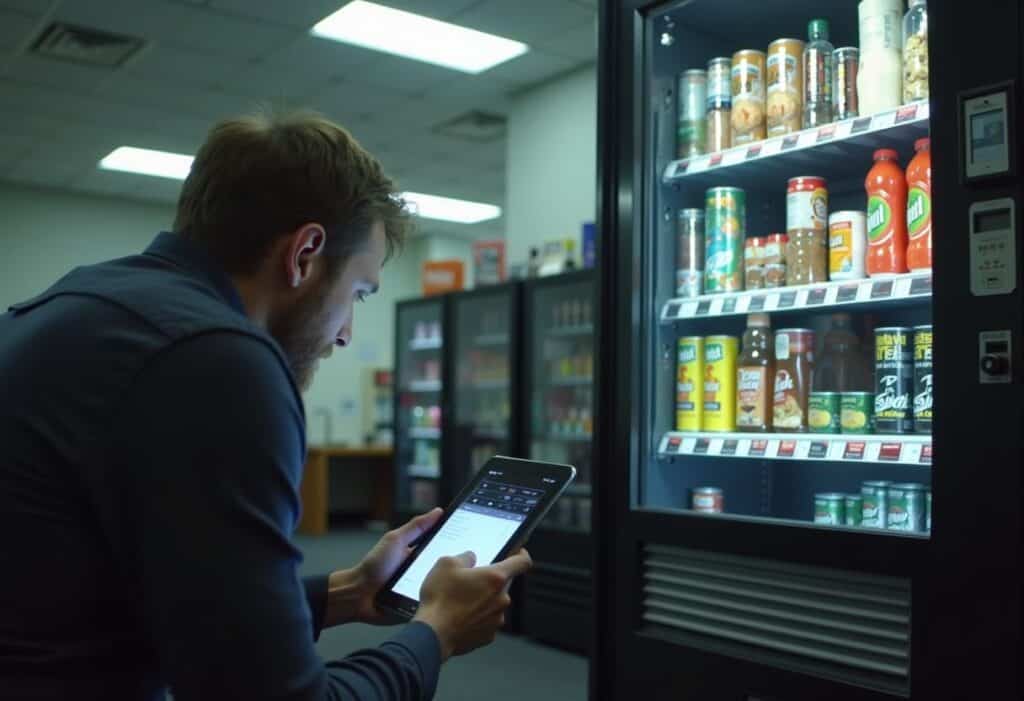
Smart Vending Machine Services have transformed the way businesses manage inventory by automating tracking and providing real-time data. Traditional inventory management often relies on manual counting, paper logs, or basic spreadsheets, which leads to errors, misplaced items, and stock shortages. Businesses face challenges such as overstocking, wasted resources, and unplanned downtime due to stockouts. Smart dispensing systems address these problems by integrating sensors, cloud-based reporting, and automated monitoring to track every item with precision. They not only improve accuracy but also save time and labor costs, allowing employees to focus on other operational priorities. Organizations across industries, from healthcare to manufacturing, are adopting these systems to optimize supply chain operations and reduce operational inefficiencies. The combination of automation and data-driven insights ensures that inventory is always accurate, available, and easy to manage, creating a more reliable and profitable workflow for businesses of all sizes.
Understanding Smart Dispensing Systems
Smart dispensing systems are advanced automated solutions that dispense products while continuously tracking inventory levels. These systems use technologies such as RFID, IoT sensors, barcode scanning, and cloud connectivity to monitor stock movement in real-time. Types of systems include vending machines for retail, industrial supply cabinets for manufacturing, and medication dispensers in healthcare facilities. Smart systems record every transaction and usage pattern, producing detailed reports that help managers make informed decisions. Key features of smart dispensing systems include:
- Automated item tracking and reporting
- Controlled access for sensitive or high-value items
- Alerts for low stock or expiring products
- Integration with ERP and accounting software
- Data analytics for usage trends and forecasting
Industries that benefit from these systems range from retail, pharmaceuticals, and logistics to manufacturing facilities, making inventory tracking more efficient, accurate, and secure.
Real-Time Inventory Monitoring
Smart dispensing systems provide real-time visibility into inventory levels by tracking each product from storage to dispensing. Sensors detect item removal or addition and update the central system instantly, reducing the risk of stockouts and overstocking. Managers receive automated alerts when items run low or when unusual patterns are detected, allowing proactive restocking. The systems can integrate with ERP platforms to ensure that inventory data aligns with purchase orders, production schedules, and sales trends. Benefits of real-time monitoring include:
- Immediate awareness of stock levels and movement
- Early detection of potential shortages or overstock situations
- Faster response to high-demand periods
- Reduction of manual counting errors and delays
- Insights into product usage trends to optimize inventory levels
Businesses can act quickly, improving customer satisfaction and operational efficiency while reducing costs associated with emergency restocking or excess inventory.
Reducing Human Error and Stock Loss
Manual inventory processes often result in misplaced items, inaccurate counts, and shrinkage due to theft or loss. Smart dispensing systems eliminate these problems by automating item tracking, logging every transaction, and limiting access to authorized personnel. Each item is tracked individually, making it easy to reconcile discrepancies and reduce losses. The data collected by these systems allows managers to identify recurring errors or usage irregularities, preventing repeated mistakes. The accuracy of automated tracking ensures that businesses always know their inventory status, eliminating wasted time spent on manual audits and minimizing the financial impact of lost or misplaced items.
Optimizing Supply Chain and Restocking
Smart dispensing systems provide insight into usage patterns, helping managers forecast demand and plan restocking efficiently. The data shows which items move quickly, which remain idle, and which require seasonal adjustments. This information allows procurement teams to order stock in optimal quantities, reducing overstock and storage costs. Automated restocking schedules ensure that critical items are always available, preventing operational delays caused by shortages. Businesses can also adjust inventory locations based on usage trends, ensuring that products are available where they are needed most. Real-time analytics and usage history enable managers to make strategic decisions about replenishment cycles, product allocation, and supply chain priorities, increasing overall operational efficiency and reducing unnecessary expenditures.
Cost Efficiency and Operational Benefits
Smart dispensing systems reduce labor costs by eliminating manual counting and routine audits, freeing employees for more strategic tasks. Automated tracking minimizes the risk of overstock and stockouts, reducing wasted resources and lost sales opportunities. Businesses save on storage costs by maintaining optimal inventory levels and improve cash flow by preventing unnecessary purchases. Operational efficiency increases as employees spend less time managing inventory and more time supporting production, customer service, or sales initiatives. Companies also benefit from detailed reports that show inventory turnover rates, allowing more accurate budgeting and resource allocation. Overall, the adoption of smart dispensing systems creates a leaner, more productive, and cost-effective operational model.
Data-Driven Decision Making
The analytics provided by smart dispensing systems allow businesses to make informed decisions about procurement, inventory rotation, and product demand. Usage data highlights consumption patterns, seasonal demand shifts, and high-value items that require frequent monitoring. Managers can identify trends that impact supply chain efficiency and implement measures to improve inventory performance. Decision-making becomes more strategic with detailed insights into stock levels, product popularity, and consumption frequency. Businesses can optimize purchasing schedules, prioritize high-demand products, and adjust storage locations to reduce delays. The ability to analyze historical data also supports long-term planning, ensuring that future procurement and inventory strategies are based on accurate, actionable information.
Security and Compliance Advantages
Smart dispensing systems offer controlled access to inventory, restricting sensitive or high-value items to authorized personnel. This reduces the risk of theft or misuse and ensures accountability for all inventory transactions. The systems also track expiration dates, recalls, and compliance requirements, which is critical in industries such as healthcare and pharmaceuticals. Audit trails record every transaction and movement, simplifying inspections and regulatory reporting. Organizations benefit from automated compliance monitoring, reducing the administrative burden and ensuring that inventory practices meet industry standards. Enhanced security and regulatory tracking minimize risks associated with inventory management, protecting both the business and its customers.
Conclusion
Smart dispensing systems transform inventory management by providing real-time monitoring, reducing human error, optimizing supply chain processes, and supporting data-driven decision-making. Businesses benefit from cost savings, improved operational efficiency, enhanced security, and compliance monitoring. Smart Vending Machine Services and similar solutions offer a reliable way to manage inventory accurately, ensure product availability, and reduce losses. Adopting these systems allows companies to streamline operations, minimize resource waste, and make strategic decisions with confidence. Businesses of all sizes gain measurable advantages, creating more predictable, efficient, and profitable workflows through intelligent inventory management.
FAQs
What are smart dispensing systems and how do they work?
Smart dispensing systems are automated machines equipped with sensors, barcode or RFID technology, and cloud connectivity that track inventory in real-time and dispense items as needed.
Can smart dispensing systems reduce operational costs?
Yes, these systems minimize labor for manual counts, prevent overstocking and stockouts, reduce losses, and streamline supply chain management, resulting in significant cost savings.
Which industries benefit most from smart dispensing systems?
Industries such as retail, healthcare, pharmaceuticals, manufacturing, and logistics benefit due to the need for accurate inventory tracking, controlled access, and compliance monitoring.
How do smart dispensing systems improve inventory accuracy?
Automated tracking records every transaction, monitors stock movement, provides alerts for low inventory or expired items, and integrates with ERP systems to maintain precise records.