Roofing materials play a direct role in how long a structure stays protected against weather, moisture, and structural stress. Homeowners searching for new roof installation near me often focus on cost first, yet material selection determines durability, maintenance frequency, and replacement timelines. Each roofing option reacts differently to sunlight, rain, wind, and temperature shifts, making material choice a long-term decision rather than a short-term fix. Proper evaluation of roofing materials helps reduce unexpected repairs, improve energy efficiency, and ensure stable performance over decades. Understanding how materials age, resist damage, and respond to environmental pressure allows property owners to make informed decisions that support durability and consistent performance.
Understanding Roofing Material Lifespan Differences
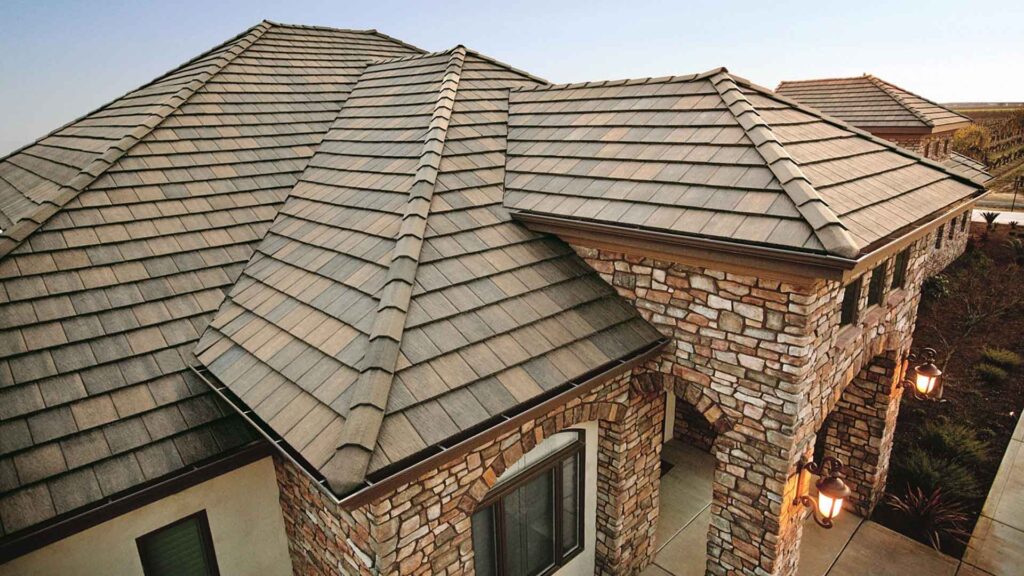
Roof longevity depends on the composition, weight, and manufacturing process of the selected material. Asphalt shingles offer affordability but wear down faster due to granule loss and moisture absorption. Metal panels resist corrosion and cracking, allowing them to last significantly longer with minimal upkeep. Tile roofing withstands heat and moisture but requires structural support due to its weight. Slate remains one of the longest-lasting materials because of its natural density and resistance to decay. Synthetic materials attempt to balance cost and performance, offering moderate lifespans with improved flexibility.
- Asphalt shingles generally last 15–30 years depending on climate exposure
- Metal roofing often performs reliably for 40–70 years
- Clay and concrete tiles commonly exceed 50 years with proper installation
- Slate roofing can last well over a century
- Synthetic roofing materials typically remain effective for 20–50 years
Key Durability Factors That Define Roofing Performance
Durability relies on how well roofing materials handle daily stress and extreme conditions. Wind resistance prevents lifting and detachment during storms, while impact resistance protects against hail and debris. Fire resistance improves safety ratings and insurance eligibility. Moisture resistance limits rot, mold, and internal damage. Thermal stability prevents cracking caused by expansion and contraction. Material thickness, fastening systems, and surface treatments also influence long-term strength.
- Resistance to high winds and uplift pressure
- Protection against hail, falling debris, and foot traffic
- Fire resistance ratings for safety compliance
- Moisture control to prevent leaks and rot
- UV resistance to reduce surface breakdown
How Climate Conditions Influence Material Longevity
Climate exposure significantly affects how roofing materials age over time. Hot regions accelerate asphalt deterioration due to prolonged heat absorption. Cold climates increase the risk of cracking caused by freeze-thaw cycles. Coastal environments introduce salt exposure, which corrodes untreated metal roofing. Humid conditions increase the likelihood of mold growth under poorly ventilated roofs. Selecting materials designed for local weather conditions reduces premature wear and supports consistent performance. Matching roofing materials to climate patterns improves durability, reduces repair frequency, and stabilizes interior comfort levels.
Installation Quality and Its Impact on Durability
Material strength alone cannot guarantee long-term performance without proper installation. Incorrect fastening weakens wind resistance and allows moisture penetration. Poor alignment increases stress on roofing sections, leading to early failure. Inadequate underlayment exposes the roof deck to water damage. Ventilation mistakes trap heat and moisture, accelerating material breakdown. Skilled installation ensures materials perform as designed, allowing roofing systems to reach their full lifespan without structural complications.
Maintenance Requirements and Long-Term Performance
Roof maintenance directly influences durability regardless of material type. Asphalt shingles require periodic inspections for granule loss and curling. Metal roofing benefits from fastener checks and surface cleaning. Tile roofs need occasional inspections for cracked pieces. Slate requires minimal maintenance but demands professional handling during repairs. Regular cleaning prevents debris buildup that traps moisture and weakens materials. Scheduled inspections help identify minor issues before they develop into costly repairs, extending overall roof life.
Cost Versus Longevity in Roofing Decisions
Initial material cost often influences purchasing decisions, yet long-term value depends on durability and replacement cycles. Lower-cost materials may require multiple replacements over the same period that premium materials remain intact. High-durability roofing reduces long-term labor costs and repair expenses. Energy efficiency benefits also contribute to overall savings. Evaluating roofing investments based on lifespan rather than upfront cost helps homeowners achieve better financial outcomes over time.
Energy Efficiency and Material Performance
Roofing materials affect temperature regulation inside a building. Reflective metal roofing reduces heat absorption, lowering cooling costs. Tile roofing provides natural insulation through air gaps beneath the surface. Asphalt shingles absorb more heat, increasing indoor temperature during warmer months. Energy-efficient materials reduce HVAC strain and stabilize indoor comfort. Improved thermal performance supports material longevity by reducing heat-related stress and surface degradation.
Structural Compatibility and Weight Considerations
Roof structure must support the weight of selected materials to maintain durability. Lightweight materials suit older structures with limited load capacity. Heavy materials such as slate and tile require reinforced framing to prevent sagging and stress fractures. Structural compatibility prevents long-term damage to both the roof and the building itself. Proper assessment of load capacity ensures materials perform reliably without compromising structural integrity.
Environmental Impact and Sustainability Factors
Roofing durability also connects to environmental responsibility. Long-lasting materials reduce landfill waste by minimizing replacement frequency. Metal roofing often contains recycled content and remains recyclable at the end of its lifespan. Synthetic materials aim to reduce environmental impact through lightweight design and extended usability. Sustainable roofing choices support durability while aligning with responsible construction practices.
Signs That Roofing Materials Are Reaching the End of Their Lifespan
Visible damage indicates declining durability regardless of material type. Cracked tiles, curling shingles, rusted panels, and frequent leaks suggest material fatigue. Interior signs such as water stains and insulation damage confirm roofing failure. Aging materials lose protective coatings, making them vulnerable to weather exposure. Timely replacement prevents structural damage and restores long-term protection.
Conclusion
Roofing materials directly influence durability, longevity, and overall building performance. Material composition, climate suitability, installation quality, and maintenance routines work together to determine how long a roof remains reliable. Investing in materials that align with environmental conditions and structural requirements reduces long-term costs and repair frequency. Thoughtful selection ensures lasting protection, consistent comfort, and dependable performance over time.
FAQs
Which roofing material lasts the longest?
Slate roofing offers the longest lifespan due to its natural density, resistance to moisture, and ability to withstand extreme weather without deterioration.
Does roofing material affect maintenance needs?
Each material has unique maintenance requirements, with asphalt needing more frequent inspections and slate requiring minimal upkeep when properly installed.
Can climate shorten roof lifespan?
Extreme temperatures, high humidity, salt exposure, and heavy storms accelerate material wear, making climate-appropriate selection essential for durability.
Is higher-cost roofing always better?
Higher-cost materials often last longer and require fewer replacements, making them more cost-effective over time despite higher initial investment.