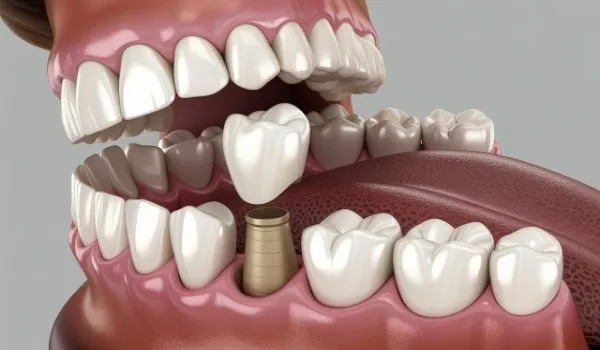
Healthy teeth are essential for confident smiles and comfortable chewing. However, teeth can become weak or damaged due to decay, fractures, large fillings, or injuries. In such cases, Dental Crown Treatment is one of the most reliable and effective solutions to restore strength, function, and appearance.
A dental crown is a custom-made cap that covers a damaged tooth completely. It restores the tooth’s shape, size, and strength while improving its overall look. Dentists often recommend this treatment when a tooth cannot be repaired with a simple filling but does not need extraction.
What Is a Dental Crown?
A dental crown is a protective covering placed over a weakened or broken tooth. It acts like a shield, protecting the remaining natural tooth structure from further damage.
Crowns can be made from various materials such as porcelain, ceramic, metal alloys, or a combination of materials. Porcelain and ceramic crowns are especially popular because they closely match the natural color of teeth.
When Is Dental Crown Treatment Needed?
Dentists usually suggest a crown in the following situations:
- A severely decayed tooth that cannot support a filling
- A cracked or broken tooth
- After Root Canal Treatment
- To protect a weak tooth from breaking
- To restore worn-down teeth
- To improve the appearance of misshaped or discolored teeth
When a tooth becomes structurally weak, everyday activities like chewing can cause further damage. A crown strengthens the tooth and restores normal function.
Procedure of Dental Crown Treatment
The Dental Crown Treatment process typically requires two visits to the dentist.
1. Examination and Tooth Preparation
The dentist examines the affected tooth and may take X-rays to check the root and surrounding bone. If decay or infection is present, it is treated first. The tooth is then reshaped to make space for the crown.
2. Impression Taking
An impression (mold) of the prepared tooth is taken to create a custom crown that fits perfectly. The shade is selected to match your natural teeth.
3. Temporary Crown Placement
A temporary crown is placed to protect the tooth while the permanent crown is being made in a dental laboratory.
4. Permanent Crown Placement
During the second visit, the temporary crown is removed, and the permanent crown is carefully fitted and cemented in place.
The procedure is usually comfortable, and local anesthesia ensures minimal discomfort.
Benefits of Dental Crowns
Dental crowns provide several important advantages:
1. Restores Tooth Strength
Crowns reinforce weak teeth and prevent further damage.
2. Improves Appearance
They enhance the shape, size, and color of teeth, giving a natural look.
3. Long-Lasting Solution
With proper care, crowns can last 10–15 years or even longer.
4. Protects After Root Canal
Teeth treated with root canal therapy become fragile. A crown protects them from fractures.
5. Restores Function
Crowns allow you to chew and speak comfortably without pain or sensitivity.
Types of Dental Crowns
There are different types of crowns available:
- Porcelain Crowns: Natural-looking and ideal for front teeth.
- Ceramic Crowns: Strong and aesthetically pleasing.
- Metal Crowns: Extremely durable but less natural in appearance.
- Porcelain-Fused-to-Metal (PFM): Combines strength and aesthetics.
Your dentist will recommend the most suitable type based on your needs and budget.
Aftercare Tips for Dental Crowns
Maintaining your crown is simple with proper oral hygiene:
- Brush twice daily with fluoride toothpaste
- Floss regularly to prevent plaque buildup
- Avoid biting hard objects
- Visit your dentist for regular checkups
Although crowns are strong, maintaining healthy gums and surrounding teeth is essential for their longevity.
Conclusion
Damaged or weak teeth should not be ignored, as they can lead to pain, infection, or even tooth loss. Dental crowns provide a reliable way to restore both strength and aesthetics. Dental Crown Treatment not only protects the remaining tooth structure but also improves chewing ability and overall confidence.
If you have a cracked, decayed, or weakened tooth, consult your dentist to determine whether a crown is the right solution for you. Early treatment can save your natural tooth and prevent future complications.
FAQs
1. Is Dental Crown Treatment painful?
No, the procedure is usually performed under local anesthesia, making it comfortable. Mild sensitivity may occur temporarily.
2. How long does a dental crown last?
With proper care, a crown can last 10 to 15 years or even longer.
3. Can I eat normally after getting a crown?
Yes, once the permanent crown is placed, you can eat normally. Avoid sticky or very hard foods immediately after placement.
4. Does a crown look natural?
Yes, especially porcelain and ceramic crowns, which closely match the color of natural teeth.
5. How do I know if I need a crown instead of a filling?
If the tooth is severely damaged or weakened, your dentist may recommend a crown for better protection and durability.