The Complete Guide to BAPE Products: Hoodies
The Complete Guide to BAPE Products: Hoodies, Shirts, Jackets, Pants & Backpacks
If you’ve spent any time around serious streetwear fans, you already know that A Bathing Ape—better known as BAPE—isn’t just another logo brand. It’s a label that helped shape modern street culture.
Founded in 1993 by Nigo in the heart of Harajuku, BAPE grew from a small Tokyo boutique into one of the most recognizable streetwear brands in the world. The bold camo prints, the Ape Head logo, and especially the Shark Hoodie became cultural symbols. What made BAPE different wasn’t just the graphics—it was the limited drops, tight production runs, and a deep connection to youth culture.
Even in 2026, BAPE still holds weight. You’ll see it on collectors, stylists, designers, musicians, and everyday streetwear fans who understand its history.
In this guide, I’ll break down the core BAPE products—BAPE Hoodie, BAPE Shirt, BAPE Jacket, BAPE Pants, and BAPE Backpack—from a real-world perspective. Not hype. Just honest insight.
BAPE Hoodie
The BAPE Hoodie is easily the brand’s most iconic piece. If you’re thinking about BAPE, you’re probably picturing the Shark.
Design & Craftsmanship
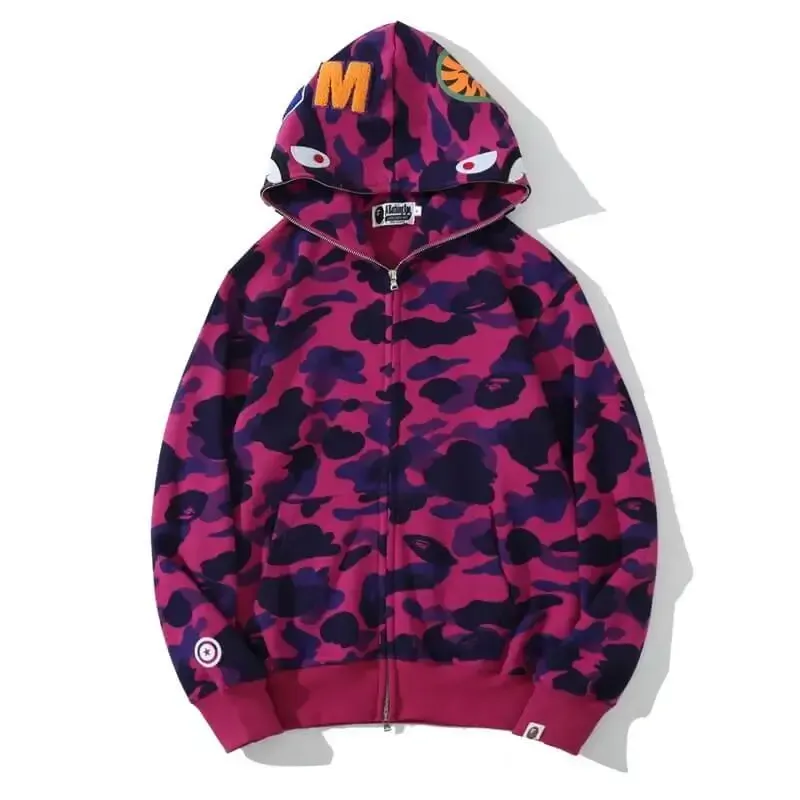
The most famous version is the Shark full-zip hoodie, featuring bold teeth graphics and the signature ABC Camo. The stitching is clean and durable. Zippers feel solid, not flimsy. The cotton is thick—much heavier than standard mall-brand hoodies.
BAPE camo patterns like ABC Camo and Color Camo aren’t random prints. They’re carefully designed with the Ape Head subtly hidden in the pattern, which longtime fans appreciate.
Fit & Sizing Advice
Japanese sizing runs slightly smaller than typical US sizing. If you prefer a relaxed fit, consider going one size up. The cut is structured—not oversized by default—but it layers well.
Comfort & Material Quality
The cotton fleece feels dense and warm. It’s perfect for fall and winter. In colder weather, it works great under a heavier coat. It’s not the most breathable hoodie for summer, but on cool evenings, it works fine.
Styling Tips
- Street look: Pair with loose cargo pants and sneakers.
- Casual daily: Wear with denim and simple trainers.
- Travel fit: Great airport hoodie—warm and durable.
In street culture, people often wear Shark hoodies zipped all the way up for statement photos, but in everyday life, most wear them partially open.
Who It’s Best For
Collectors, statement dressers, and anyone who wants a standout hoodie.
Everyday vs Collector Value
Some limited editions hold strong resale value. Basic camo versions are more for everyday wear.
BAPE Shirt
The BAPE Shirt is more subtle compared to the hoodie but still carries identity.
Design & Craftsmanship
Most BAPE T-shirts use thick cotton. The prints are high quality and don’t crack easily if washed properly. Classic designs include the Ape Head logo and camo fills.
Fit & Sizing
Again, slightly slimmer Japanese fit. If you like oversized streetwear, go up a size.
Comfort & Material
Soft but structured. Good breathability for summer. Not paper-thin like fast fashion tees.
Styling
- Summer fit: Shorts and sneakers.
- Layered: Under a BAPE jacket or open overshirt.
- Casual daily: Easy everyday piece.
Who It’s For
If you want entry-level BAPE without spending hoodie-level money, this is a good starting point.
Everyday vs Collector
Graphic collaborations tend to hold collector interest. Core logo tees are everyday staples.
BAPE Jacket
The BAPE Jacket category is underrated. From camo windbreakers to varsity jackets, BAPE outerwear shows serious construction quality.
Design & Craftsmanship
The brand uses strong stitching and well-placed graphics. Camo placement is balanced—not random. Varsity jackets often use solid wool bodies with leather sleeves.
Fit & Sizing
Most jackets fit true to size but lean slightly structured. Not overly baggy.
Comfort & Seasonal Use
- Windbreakers: Lightweight, good for spring and travel.
- Puffer jackets: Warm enough for cold winters.
- Varsity styles: Ideal for fall layering.
Styling
Layer over a hoodie for a full streetwear look. Works great with simple pants to let the jacket stand out.
Who It’s For
People who want BAPE energy without wearing a loud hoodie.
Everyday vs Collector
Limited seasonal jackets sometimes gain collector interest. Core styles are practical and wearable.
BAPE Pants
The BAPE Pants often get less attention but are important for full fits.
Design & Craftsmanship
You’ll see camo cargo pants, sweatpants, and denim. Construction is solid. Cargo versions are especially popular in street fits.
Fit & Sizing
Most sweatpants run slightly tapered. Cargo styles have more room.
Comfort & Material
Sweatpants are thick and warm. Good for cooler seasons. Cargo pants work year-round depending on fabric weight.
Styling
- Full camo fit (bold look)
- Neutral top + camo pants (balanced look)
- Travel outfit with hoodie and sneakers
Who It’s For
Streetwear fans who care about complete outfits, not just top pieces.
Everyday vs Collector
More everyday wearable. Less about resale, more about styling.
BAPE Backpack
The BAPE Backpack blends fashion and utility.
Design & Craftsmanship
Usually made with durable polyester or nylon. Zippers are sturdy. Camo versions are most popular.
Functionality
Enough space for daily essentials—laptop, notebook, charger. Good for school, work, or travel.
Comfort
Shoulder straps are padded. Not heavy unless overloaded.
Styling
Works best with simple outfits to let the camo pop.
Who It’s For
Students, commuters, and travelers who want streetwear detail without full clothing commitment.
Everyday vs Collector
Mostly everyday use. Limited prints may attract collectors.
Comparison & Buying Insight
Compared to other streetwear brands, BAPE focuses heavily on bold identity and strong graphic presence. It’s less minimal and more expressive.
Is BAPE Worth the Price?
If you value:
- Streetwear history
- Japanese craftsmanship
- Limited releases
- Strong brand recognition
Then yes, it can be worth it.
If you prefer subtle basics with no visible branding, BAPE may not be your style.
Who Should Buy BAPE Today?
- Streetwear collectors
- Fashion enthusiasts
- Creative professionals
- Anyone who appreciates 90s Tokyo culture
FAQ: BAPE Buying & Style Questions
Is BAPE worth the money?
For many buyers, yes. You’re paying for quality materials, design history, and brand legacy. It’s not budget clothing, but it’s well-made and culturally significant.
How can you tell if a BAPE hoodie is authentic?
Check stitching quality, tag details, wash labels, and print clarity. Authentic pieces have clean seams, consistent camo alignment, and high-quality zippers. Fakes often have poor stitching and off-color camo.
Do BAPE hoodies fit true to size?
They run slightly small compared to US brands. Many people size up for a relaxed streetwear fit.
Why are BAPE Shark hoodies so popular?
The bold full-zip shark face design became a symbol of early 2000s streetwear culture. Limited releases and strong visuals helped build hype.
Are BAPE backpacks good for daily use?
Yes. They’re practical, durable, and spacious enough for everyday essentials.
Is BAPE still trendy in 2026?
Yes. While trends evolve, BAPE remains respected due to its history and ongoing collaborations.
How do you style BAPE clothing?
Keep balance in mind. If your hoodie is loud, keep pants simple. If your pants are camo, wear a neutral top. Footwear usually stays clean and simple.
Does BAPE hold resale value?
Some limited editions do, especially collaborations and rare camo versions. Core items hold moderate resale value.
Where is BAPE clothing made?
Originally produced mainly in Japan. Today, production includes Japan and other regions depending on the product line.
Final Thoughts
BAPE isn’t just about bold camo or loud graphics. It’s about cultural history, craftsmanship, and self-expression. Whether you choose a BAPE Hoodie, Shirt, Jacket, Pants, or Backpack, you’re wearing a piece of Tokyo streetwear history that still holds relevance today.
For people who understand street culture, BAPE isn’t just clothing—it’s part of the story.