Understanding CO2 Laser Treatment
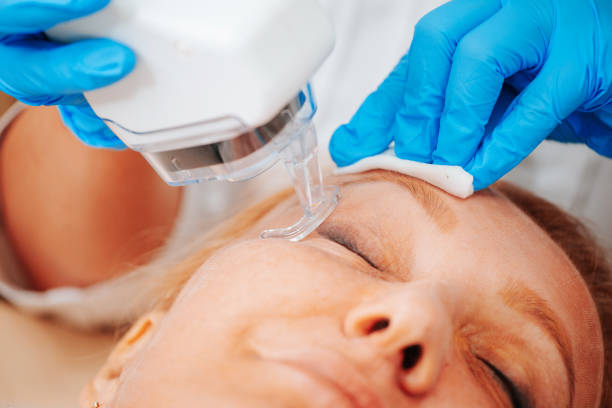
CO2 laser treatment utilizes carbon dioxide lasers to remove layers of skin with precision. The laser emits a concentrated beam of light that penetrates the skin and stimulates the body’s natural healing process. This treatment is often employed for reducing wrinkles, scars, and uneven skin texture, as well as for resurfacing the skin to enhance overall appearance.
The procedure’s effectiveness comes from its ability to remove damaged skin while promoting collagen production. However, because it involves controlled removal of skin layers, it is natural for individuals to wonder about the discomfort they might experience.
Sensations Experienced During CO2 Laser Treatment
During a CO2 laser session, patients commonly report a range of sensations rather than a single type of pain. Some describe it as a stinging or prickling feeling, similar to the sensation of a rubber band snapping against the skin. Others may experience warmth or mild burning, which is a result of the laser’s interaction with the skin tissues.
The sensation varies depending on several factors, including the depth of the treatment, the area being treated, and the individual’s pain tolerance. For example, thinner skin areas, such as around the eyes or lips, are often more sensitive compared to areas with thicker skin, like the forehead or cheeks.
Pain Management During Treatment
Pain management is an essential component of CO2 laser treatment. Topical anesthetic creams are commonly applied to numb the treated area, reducing discomfort during the procedure. In some cases, local anesthesia may also be used for deeper treatments to ensure patient comfort.
Additionally, the procedure is typically performed in a controlled environment where the practitioner monitors the patient’s comfort level. Cooling devices or intermittent breaks during the session can further alleviate discomfort. Understanding that pain is usually temporary and manageable can help reduce anxiety before treatment.
Factors That Influence Pain Level
The intensity of discomfort during CO2 laser treatment is influenced by multiple factors.
The depth of laser penetration plays a major role; superficial treatments that target only the upper layers of skin usually cause minimal discomfort, while deeper resurfacing procedures can produce more noticeable pain.
The area being treated also matters. Sensitive regions with thinner skin tend to feel more intense sensations, whereas areas with thicker skin may experience milder discomfort.
Individual pain tolerance varies significantly, meaning what feels uncomfortable to one person might be tolerable to another. Psychological preparedness and relaxation techniques can also affect how pain is perceived during the session.
Comparing CO2 Laser Discomfort to Other Procedures
Many individuals compare CO2 laser discomfort to other cosmetic procedures. While experiences vary, CO2 laser treatment is generally described as more intense than non-ablative treatments like light chemical peels but less severe than surgical interventions.
It is often likened to brief bursts of heat or a rapid series of pinpricks across the treated area. The use of anesthetics and controlled laser technology ensures that these sensations are not overwhelming for most patients.
Immediate Post-Treatment Sensations
After the procedure, it is common to feel a lingering warmth or tightness in the treated area. This is not the same as the pain during the session but is rather part of the skin’s natural response to healing. The sensations gradually subside over the first few hours to days, depending on the depth of the treatment and individual skin characteristics.
Patients often report that discomfort is most noticeable in the first 24 hours and then diminishes steadily. Cooling compresses or gentle care routines recommended by the treatment professional can help soothe the skin during this period.
Psychological Factors and Pain Perception
Pain is not purely physical—it is influenced by psychological factors as well. Anxiety, stress, and anticipation can heighten the perception of pain during CO2 laser treatment. Conversely, feeling informed and prepared often helps individuals tolerate the procedure better.
Practices such as mindful breathing or focusing on relaxation techniques before and during the session can help reduce perceived discomfort. Knowing what sensations to expect and having reassurance from the treatment professional often makes the experience more manageable.
Recovery and Pain Considerations
During the recovery period, the skin continues to react to the treatment. Although this article does not discuss side effects, it is worth noting that temporary sensations such as warmth, tightness, or mild discomfort are normal and generally improve steadily as the skin heals.
Following proper post-treatment care, as guided by the professional, helps the skin recover efficiently and minimizes the duration of any discomfort. Patience and gentle care are essential during this phase.
Individual Experiences of Pain
Each person’s experience of pain during CO2 laser treatment can differ. Some describe it as easily tolerable with mild stinging, while others may feel a stronger intensity that requires breaks or enhanced numbing measures. The combination of pain management, procedure depth, and individual sensitivity contributes to this wide range of experiences.
For most patients, the pain associated with CO2 laser treatment is temporary and manageable, especially when compared with the potential long-term benefits of skin resurfacing and rejuvenation.
Preparing for CO2 Laser Treatment
Being prepared mentally and physically can make a significant difference in how discomfort is experienced. Ensuring the treated area is properly cleaned and following pre-treatment instructions helps the procedure go smoothly.
Understanding that sensations of heat, stinging, or mild prickling are normal allows patients to approach the procedure with realistic expectations. Having a strategy to manage discomfort, such as topical anesthetics or cooling measures, further enhances the experience.
Conclusion
CO2 laser treatment is a powerful tool for skin resurfacing and rejuvenation, and while it involves some degree of discomfort, the pain is generally temporary and manageable. The sensations experienced vary based on treatment depth, skin sensitivity, and individual tolerance, with most patients finding the procedure tolerable, especially with proper pain management techniques.