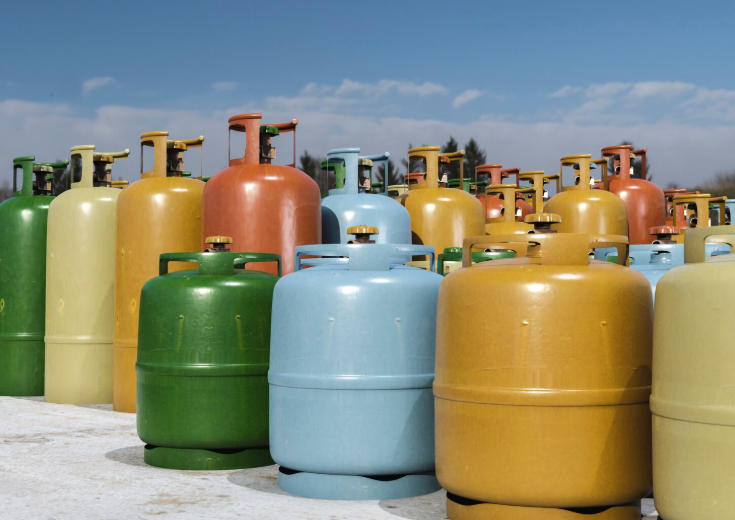
Choosing the right gas bottles is essential for safety, efficiency, and cost-effectiveness. Whether you need gas bottles for home cooking, camping, industrial use, or commercial operations, making the correct choice can save you time, money, and potential risks. With various sizes, materials, gas types, and safety standards available, it is important to understand what works best for your specific needs.
This complete buyer’s guide to choosing the right gas bottles will help you make an informed decision by covering everything from types and sizes to safety considerations and maintenance tips.
Understanding Gas Bottles and Their Uses
Gas bottles, also known as gas cylinders, are containers designed to store compressed or liquefied gases. They are commonly used for:
-
Domestic cooking and heating
-
Outdoor camping and barbecues
-
Industrial welding and cutting
-
Medical oxygen supply
-
Commercial kitchens and restaurants
Before purchasing a gas bottle, you must identify your primary purpose. The intended use directly affects the type, size, and material of the gas bottle you should select.
Types of Gas Bottles
Different gases require different types of cylinders. Here are the most common options:
1. LPG Gas Bottles
Liquefied Petroleum Gas (LPG) bottles are widely used for cooking, heating, and barbecuing. They typically contain propane or butane.
-
Propane Gas Bottles: Suitable for outdoor use and colder climates because propane performs well at low temperatures.
-
Butane Gas Bottles: Ideal for indoor use and mild weather conditions.
2. Industrial Gas Bottles
These are used for welding, cutting, and manufacturing. Common industrial gases include oxygen, acetylene, nitrogen, and carbon dioxide.
3. Medical Gas Bottles
Medical gas bottles store oxygen or other gases required for healthcare facilities and home medical use. These cylinders must meet strict regulatory standards.
4. Specialty Gas Bottles
These are used in laboratories and specialized industries for specific gas mixtures.
Choosing the right gas type is the first and most critical step in selecting the appropriate gas bottle.
Choosing the Right Gas Bottle Size
Gas bottles come in various sizes, typically measured in kilograms (kg) or liters (L). Selecting the correct size depends on usage frequency and application.
Small Gas Bottles (1kg – 5kg)
-
Ideal for camping and portable stoves
-
Easy to transport
-
Limited gas capacity
Medium Gas Bottles (6kg – 15kg)
-
Suitable for home cooking
-
Common for BBQ setups
-
Moderate usage duration
Large Gas Bottles (19kg – 47kg and above)
-
Best for commercial kitchens
-
Suitable for heating systems
-
Long-lasting supply
If you use gas regularly, investing in a larger bottle may be more economical. However, portability and storage space should also be considered.
Steel vs. Composite Gas Bottles
When selecting gas bottles, the material is another important factor.
Steel Gas Bottles
-
Durable and strong
-
Widely available
-
Heavier than composite bottles
-
Generally more affordable
Composite Gas Bottles
-
Lightweight
-
Rust-resistant
-
Transparent body to check gas levels
-
Often more expensive
For home use, steel cylinders are common and reliable. However, for camping or frequent transportation, composite gas bottles offer convenience due to their lighter weight.
Safety Standards and Certifications
Safety should always be your top priority when choosing gas bottles. Look for bottles that meet national and international safety standards.
Key safety features include:
-
Pressure relief valves
-
Tamper-proof seals
-
Approved regulator compatibility
-
Manufacturing date and inspection stamp
Always check if the gas bottle complies with local safety regulations. Never purchase gas bottles from unauthorized dealers or unverified suppliers.
Gas Bottle Refilling vs. Exchange
You generally have two options when using gas bottles:
Refill System
You keep your bottle and get it refilled when empty. This option can be cost-effective but requires regular inspection of the cylinder’s condition.
Exchange System
You exchange your empty bottle for a pre-filled one. This ensures you receive a professionally inspected cylinder every time.
For convenience and safety assurance, many buyers prefer the exchange system.
Regulator Compatibility
Gas bottles require regulators to control gas flow safely. Not all regulators are compatible with every cylinder type.
Before buying gas bottles, ensure:
-
The regulator matches the gas type
-
The pressure rating is correct
-
The connector fits securely
Using the wrong regulator can lead to gas leaks or inefficient performance.
Storage Considerations
Proper storage plays a vital role in maintaining safety and performance.
Here are some essential storage tips:
-
Store gas bottles upright
-
Keep them in a well-ventilated area
-
Avoid direct sunlight and heat sources
-
Keep away from flammable materials
Never store gas bottles indoors unless specifically approved for indoor use, such as certain butane cylinders.
Transportation Guidelines
Transporting gas bottles requires care to prevent accidents.
-
Secure the cylinder upright during transport
-
Avoid leaving bottles in hot vehicles
-
Ensure valve caps are tightly closed
-
Do not drop or roll cylinders
Following these guidelines minimizes the risk of leakage or damage.
Cost Factors to Consider
When choosing the right gas bottles, price should not be your only consideration. Several factors influence cost:
-
Cylinder size
-
Gas type
-
Material (steel vs. composite)
-
Brand and supplier
-
Refill or exchange fees
Although larger gas bottles cost more upfront, they often provide better long-term value for frequent users.
Environmental Impact
Modern gas bottles are designed with sustainability in mind. Refillable cylinders reduce waste compared to disposable canisters.
If environmental impact matters to you, choose:
-
Refillable gas bottles
-
Reputable suppliers with recycling programs
-
Composite bottles with longer lifespan
Responsible usage helps reduce carbon footprint and environmental harm.
Maintenance and Inspection Tips
Routine inspection ensures longevity and safety.
Check for:
-
Rust or corrosion
-
Dents or physical damage
-
Gas leaks (using soapy water test)
-
Expired certification dates
If you notice any issues, stop using the cylinder immediately and consult a professional.
Common Mistakes to Avoid
Many buyers make avoidable errors when purchasing gas bottles. Here are some mistakes to watch out for:
-
Choosing the wrong gas type
-
Ignoring safety certifications
-
Buying oversized bottles without storage space
-
Using incompatible regulators
-
Purchasing from unauthorized sellers
Avoiding these mistakes ensures both safety and satisfaction.
How to Choose the Right Gas Bottle for Your Needs
To simplify your decision, follow this step-by-step checklist:
-
Identify your purpose (home, camping, industrial).
-
Select the appropriate gas type.
-
Choose the correct bottle size.
-
Decide between steel and composite material.
-
Verify safety certifications.
-
Ensure regulator compatibility.
-
Consider refill or exchange options.
-
Compare prices from reliable suppliers.
This structured approach guarantees that you choose the right gas bottles efficiently and safely.
Why Choosing the Right Gas Bottles Matters
Selecting the right gas bottles is not just about convenience. It directly impacts:
-
Safety of your household or workplace
-
Gas efficiency and performance
-
Long-term cost savings
-
Environmental responsibility
An incorrect choice can result in safety hazards, operational inefficiency, and unnecessary expenses.
Conclusion
Choosing the right gas bottles requires careful consideration of several factors, including gas type, size, material, safety standards, and intended use. Whether you need a small portable cylinder for camping or a large-capacity bottle for commercial operations, understanding your requirements is the key to making the right investment.
By prioritizing safety certifications, regulator compatibility, proper storage, and maintenance, you can ensure reliable performance and long-term value. Avoid common mistakes, purchase from reputable suppliers, and always follow safety guidelines.
With this complete buyer’s guide to choosing the right gas bottles, you now have the knowledge to make an informed and confident decision. Investing time in selecting the correct gas bottle today will provide safety, efficiency, and peace of mind for years to come.