Laser hair removal has become a popular choice for men seeking long-term hair reduction. While many men have experienced effective results, Men’s Laser Hair Removal Abu Dhabi is increasingly sought after for its ability to treat various hair types. A common question is whether the procedure works on all hair types. Hair varies in color, thickness, and density, and these factors can influence the success of laser treatments. This article explores how different hair types respond to laser hair removal, what men can realistically expect, and strategies for achieving the best results.
How Laser Hair Removal Targets Hair
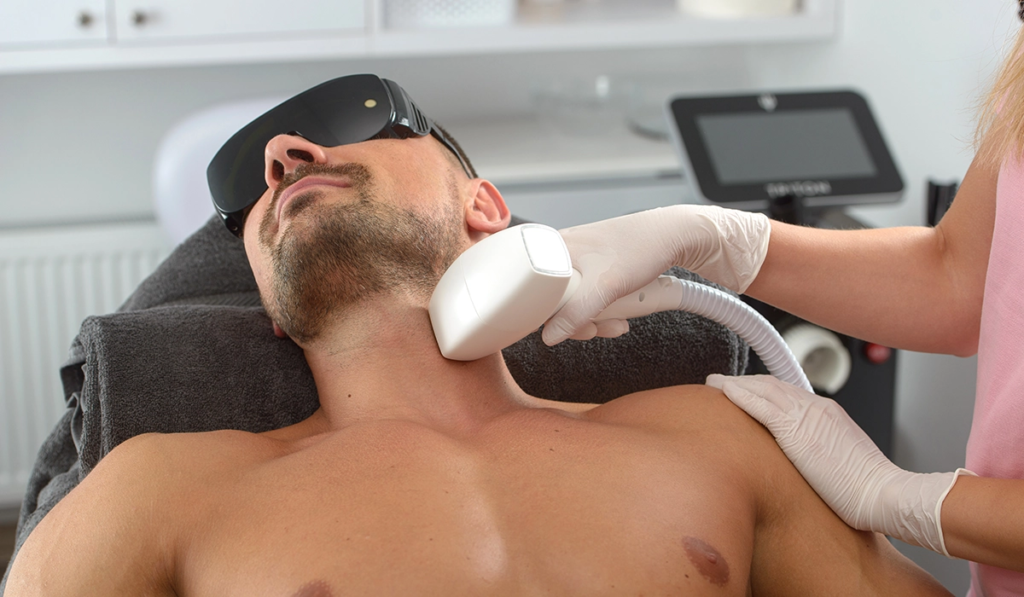
Laser hair removal works by using concentrated light energy to target the pigment in hair follicles. The light is absorbed by melanin, the pigment responsible for hair color, which generates heat and disrupts the follicle’s ability to grow new hair.
Because the treatment relies on pigment to target hair, the characteristics of hair play a significant role in effectiveness. Hair that contains more melanin absorbs the laser energy more efficiently, leading to better results.
Hair Color and Laser Effectiveness
Hair color is one of the most important factors in determining how well laser hair removal works.
Dark Hair: Black and dark brown hair respond the best to laser treatments. The high melanin content in these hair types allows the laser to effectively target follicles, resulting in noticeable hair reduction after fewer sessions.
Light Hair: Blonde, red, grey, and white hair contain less pigment, which can make laser hair removal less effective. Specialized laser systems or longer treatment plans may be needed for these hair colors, but results are generally slower and less dramatic.
Hair Thickness and Density
The thickness of hair also influences laser hair removal outcomes. Coarse, dense hair tends to respond more efficiently because the laser energy is absorbed more effectively by thicker strands.
Fine or thin hair may require additional treatments or specialized laser settings to achieve visible reduction. In some cases, fine hair may not respond as well as coarse hair, but treatment can still result in partial thinning and reduced growth.
Body Area Considerations
Different areas of the body grow hair differently, which can affect results. For example, hair on the chest or back is often thicker and darker, responding well to laser treatments. In contrast, hair on the arms, legs, or face can vary in thickness and color, which may require more sessions to achieve similar results.
Facial hair, influenced by hormones like testosterone, may also regrow faster than other areas, so men may need additional maintenance treatments in these regions.
Skin Tone and Hair Contrast
Laser hair removal is most effective when there is a high contrast between hair and skin. Dark hair on lighter skin allows the laser to precisely target follicles without affecting surrounding tissue.
Advances in laser technology have made it possible to treat a wider range of skin tones safely, including medium and darker skin. However, for men with low-contrast hair—such as light hair on light skin—results may be less predictable and require specialized approaches.
Realistic Expectations for Different Hair Types
Men should understand that laser hair removal is generally more effective for darker, coarser hair. Lighter or finer hair may require additional sessions and may not achieve complete reduction.
Even when hair is resistant, laser treatment can often reduce density and slow regrowth. Hair that does grow back is usually finer and less noticeable, which can still improve grooming and comfort.
Tips for Maximizing Results
Men can improve the effectiveness of laser hair removal on all hair types by following some key practices:
-
Maintain a consistent session schedule to target hair during the active growth phase.
-
Shave the area before treatments to ensure the laser targets the follicle rather than surface hair.
-
Avoid waxing, plucking, or other hair removal methods that remove the follicle temporarily.
-
Communicate with the practitioner about hair color and thickness so settings can be adjusted for optimal results.
-
Plan for maintenance treatments, especially for areas with hormonal influences or slower responses.
These practices help ensure the best possible outcome, regardless of hair type.
Frequently Asked Questions (FAQs)
Does laser hair removal work on blonde or red hair?
Laser hair removal is less effective on light-colored hair due to lower melanin levels. Specialized lasers or additional sessions may be needed to achieve reduction.
Can fine hair be treated with laser?
Yes, but fine hair may respond more slowly. Results often include partial thinning rather than complete elimination.
Are dark, coarse hairs the easiest to treat?
Yes, dark and coarse hair absorbs laser energy efficiently, making these hair types the most responsive to treatment.
Does skin color affect results?
Yes, higher contrast between hair and skin improves effectiveness. Modern lasers can safely treat medium to darker skin tones, but low-contrast hair may be more challenging.
Can men expect permanent hair removal for all hair types?
Laser hair removal provides long-term reduction, but complete permanent removal is uncommon, especially for light or fine hair. Maintenance sessions help sustain results.
How many sessions are needed for different hair types?
Thicker, darker hair often requires fewer sessions. Lighter or finer hair may need additional treatments to achieve noticeable reduction.
Is facial hair more challenging to treat?
Facial hair may grow faster due to hormonal activity, so more sessions or periodic touch-ups are often necessary.
Can laser hair removal make resistant hair finer?
Yes, even if hair does not completely disappear, laser treatment often thins hair and slows regrowth, improving overall grooming.
Conclusion
Men’s laser hair removal works best on darker, coarser hair due to higher melanin content and better energy absorption. While lighter or finer hair may respond more slowly and require more treatments, laser hair removal can still reduce hair density and slow regrowth. Understanding how hair type, skin tone, body area, and hormonal influences affect results helps men set realistic expectations and achieve the best possible outcomes. With consistent sessions and proper care, men of nearly all hair types can benefit from smoother skin, reduced grooming, and long-term hair management.