The Hidden Life of Scrap Yards: Where Old Cars Begin Their Second Story
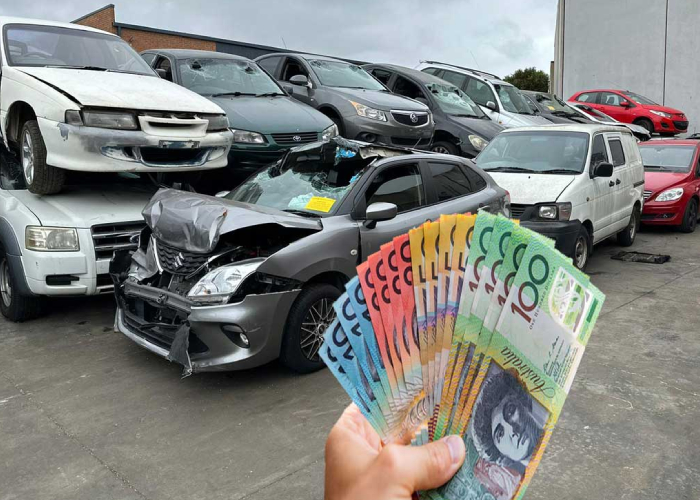
Most people drive past scrap yards without a second thought. From the outside, they look like resting places for broken and unwanted vehicles. Inside, a very different story unfolds. Scrap yards are busy working spaces where old cars are taken apart with care, sorted by material, and prepared for reuse in other industries. This process supports recycling, reduces waste, and gives worn vehicles a new purpose.
This article explores what really happens inside scrap yards in Australia and how old cars begin their second story after leaving the road. Learn more: https://northbrisbanewreckers.com.au/
How Cars Arrive at Scrap Yards
Cars reach scrap yards for many reasons. Some have been damaged in accidents. Others have mechanical failures that cost more to repair than the car is worth. Age also plays a role, since older vehicles often fail modern safety and emission standards.
Once a vehicle arrives, staff record its details. This includes the make, model, year, and vehicle identification number. These records help meet legal requirements and track materials through the recycling process. Vehicles are then placed in designated areas based on their condition and type.
Safety Comes Before Everything Else
Before any work begins, safety checks take place. cash for junk cars often arrive with leaks, unstable parts, or damaged batteries. Workers secure the vehicle and remove any immediate hazards.
Airbags are a major concern. Even in damaged cars, airbags can still deploy. Trained staff follow strict handling steps to prevent injury. High-voltage systems in hybrid and electric vehicles also receive special attention, since these systems can remain active even when the car does not run.
Draining Fluids to Protect Land and Water
One of the first technical steps involves fluid removal. Every vehicle contains liquids that can harm the environment if released into the ground. Engine oil, fuel residue, coolant, brake fluid, and power steering fluid all need careful handling.
In Australia, scrap yards follow environmental protection rules set by state and federal authorities. Fluids are drained using sealed tools and stored in labelled containers. Used oil is often sent for processing, where it can be cleaned and reused in industrial applications. Other fluids go to licensed waste treatment facilities.
This step plays a key role in preventing soil and water pollution.
Batteries and Tyres Have Their Own Path
Car batteries are removed early in the process. Lead-acid batteries contain toxic materials, yet they are also highly recyclable. Around ninety percent of battery lead in Australia is reused, mainly in new batteries.
Tyres are removed next. Old tyres do not break down naturally and can pose fire risks if stored incorrectly. Many tyres are shredded and reused in road surfaces, sports grounds, and construction layers. Some are also processed for controlled energy recovery.
Salvaging Parts That Still Work
Not all parts in an old car are worn out. Many components remain in working condition even if the vehicle itself no longer runs. Scrap yard staff inspect engines, gearboxes, alternators, radiators, doors, lights, and electronic units.
Usable parts are cleaned, tested, and stored. These parts later help repair other vehicles. This practice reduces the demand for new manufacturing and lowers the use of raw materials. It also explains why the idea of cash for junk cars does not mean a car has no purpose left.
Breaking Cars Down by Material
After parts removal, the remaining vehicle shell enters the dismantling stage. Workers separate materials into groups such as metal, plastic, glass, rubber, and wiring.
Copper wiring is especially important. Copper is widely used in electrical systems and can be recycled many times without losing quality. Glass from windows and windscreens requires special handling due to layered construction. With the right methods, much of this glass can be reused in building materials.
Interior materials such as fabrics and foams are harder to process, yet some are repurposed as insulation or fuel for controlled industrial use.
Crushing the Car Shell
Once dismantling is complete, the remaining metal shell moves to a crusher. This machine compresses the vehicle into a dense block. Crushing reduces storage space and makes transport more practical.
These compressed blocks are sent to metal shredding plants. Large machines break the metal into smaller pieces, which are then sorted using magnets and sensors. Steel, aluminium, and other metals are separated for recycling.
The Facts About Metal Recycling
Steel makes up around sixty to seventy percent of an average car by weight. Nearly all of this steel can be recycled. Using recycled steel requires much less energy than producing new steel from iron ore.
Aluminium recycling offers even greater energy savings. Recycled aluminium uses about five percent of the energy needed to produce new aluminium from raw materials. This process also reduces greenhouse gas output linked to mining and refining.
Where the Recovered Materials Go
Recovered metals travel to foundries and mills across Australia and overseas. These materials are melted and reshaped into new products. Some become parts for new vehicles. Others are used in building frames, household appliances, and transport infrastructure.
Plastics and rubbers that meet recycling standards are also reused in manufacturing and construction. This system supports a circular flow of materials rather than a one-way path to landfill.
Legal Records and Deregistration
Scrap yards also manage important legal tasks. Once a car is dismantled, it must be deregistered with the relevant road authority. This step prevents future road use and protects against identity misuse.
Authorities require proof that the vehicle has been destroyed or permanently removed from service. Scrap yards keep these records to meet compliance standards.
The Role of Scrap Yards in Waste Control
Australia retires hundreds of thousands of vehicles each year. Without proper recycling, these vehicles would add significant pressure to landfill sites. Scrap yards recover up to ninety percent of a vehicle by weight, keeping large amounts of waste out of the environment.
This recovery rate shows how scrap yards support national waste reduction goals and responsible resource use.
Adapting to New Vehicle Technology
Modern vehicles include more electronics, sensors, and advanced materials. Scrap yards continue to adapt their methods to handle these changes. Electric vehicles require special battery handling due to fire risks linked to lithium-ion cells.
Dedicated storage areas and transport systems reduce these risks. As electric vehicles become more common on Australian roads, recycling practices will keep evolving.
Why Scrap Yards Matter More Than People Think
Scrap yards are not just storage spaces for old cars. They are working centres where safety, environmental care, and material recovery come together. Each vehicle that enters a yard becomes a source of reusable parts and raw materials.
This process reduces mining, lowers energy use, and supports other industries. It also changes how people view the end of a car life.
Closing Thoughts
An old car does not reach the end of its story when it leaves the road. Inside scrap yards, it begins a new chapter through reuse and recycling. From parts recovery to metal processing, every step has a clear purpose.
Understanding the hidden life of scrap yards helps people see their role in modern society. What looks like an ending often becomes a second story built on care, control, and responsible use of resources.