The Hidden Life of Scrap Cars: A Behind-the-Scenes Look at Local Yards in Proserpine
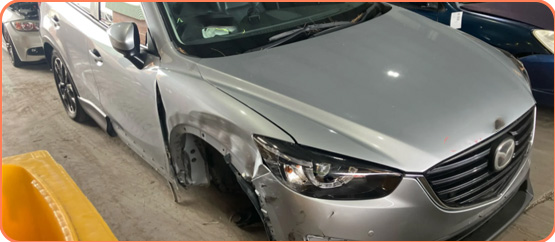
Many people see a scrap car as nothing more than rusted metal sitting idle. The truth is very different. A vehicle that no longer runs still has a long journey ahead. Local scrap yards play a quiet role in managing this journey. They handle old cars in a way that supports recycling, reduces waste, and keeps materials in use.
This article explains what happens inside local yards once a car reaches the end of its driving life. It focuses on real processes, factual details, and the wider impact on land, resources, and industry.
Learn more: https://cash4carstownsville.com.au/
How Scrap Cars Arrive at Local Yards
Cars arrive at scrap yards for many reasons. Some have engines that no longer start. Others suffer damage from accidents, floods, or long-term wear. In regional areas, vehicles often travel long distances each day. This causes steady stress on parts and bodywork.
Once owners decide that repairs no longer suit their needs, the car is removed from use. At this point, the vehicle enters a controlled system. It does not sit idle or decay without purpose.
Initial Inspection and Safety Checks
The first step inside a yard involves inspection. Workers check the condition of the vehicle and confirm its basic structure. Safety matters at this stage. Vehicles may contain leaking fluids, weak frames, or sharp metal edges.
Fuel tanks, oil pans, brake systems, and cooling units all hold liquids that can damage soil and water. These fluids are drained using sealed containers. Australian environmental rules require proper storage and handling of these substances. Used oil, for example, can contaminate large volumes of water if released into the ground.
Removal of Hazardous Materials
Modern vehicles contain more than metal. Batteries hold acid and lead. Air conditioning units contain gases that harm the atmosphere if released. These parts must be removed with care.
Car batteries are separated and sent for recycling. Lead from batteries is one of the most recycled materials in Australia. Refrigerant gases are captured using specialised equipment. This prevents harmful release into the air.
This stage protects workers, land, and nearby waterways.
Sorting Parts That Still Have Life
After safety steps, attention turns to parts. Many components still function well. Engines, gearboxes, alternators, steering parts, doors, mirrors, and lights often remain usable.
Parts are removed using tools that reduce damage. Each item is checked for wear and condition. Parts that meet reuse standards are stored for later use. This process reduces the need to produce new components.
Producing new car parts uses raw materials such as iron ore, aluminium, and copper. It also requires large amounts of energy and water. Reuse lowers this demand and keeps materials circulating.
The Role of Used Parts in Local Communities
cash for cars Prosperine support many drivers. Older vehicles often require parts that manufacturers no longer produce. Salvaged components keep these cars running and reduce waste.
In regional towns, used parts also support local mechanics. Repairs using reclaimed components can keep vehicles on the road without adding to landfill pressure.
This system keeps resources within the community and supports practical vehicle maintenance.
Breaking Down the Car Body
Once parts are removed, the remaining shell is mostly metal. Car bodies consist mainly of steel, with smaller amounts of aluminium and copper. Steel stands out as one of the most recycled materials worldwide.
The shell is crushed into compact sections. This step saves space and prepares the metal for transport. The crushed metal travels to processing plants where it is melted and refined.
Recycled steel requires far less energy than producing steel from raw ore. This reduces fuel use and lowers emissions linked to mining and processing.
Handling Tyres, Glass, and Plastics
Vehicles contain many non-metal materials. Tyres, windscreens, dashboards, and trims all need sorting.
Tyres are separated and sent to recycling facilities. Many old tyres become road base materials or safety surfaces for playgrounds. Glass from windows and windscreens is crushed and reused in construction products. Plastics are sorted by type and sent for processing where suitable systems exist.
Each material follows a separate path. This reduces landfill use and supports reuse across different industries.
Environmental Impact of Scrap Car Processing
Car recycling plays a major role in protecting land and water. A single vehicle can contain several litres of harmful fluids and many kilograms of metal. If abandoned, these materials leak into the ground over time.
Local yards remove these risks through controlled handling. Recycling metals reduces the need for mining. Mining activities disturb land, consume water, and require heavy fuel use. Recycling lowers this pressure.
This matters in regional areas where land supports farming, wildlife, and waterways.
Employment and Local Industry Links
Scrap yards support more than recycling. They provide employment and connect with transport, metal processing, and mechanical trades. These links strengthen local industry chains.
Keeping materials within Australia also reduces reliance on imported raw materials. Shorter transport distances reduce fuel use and emissions.
Local yards form part of a wider system that supports both industry and the environment.
The Journey After the Yard
Once materials leave the yard, they continue their cycle. Steel may become building frames or machinery parts. Aluminium can return as construction materials or vehicle components. Copper wiring often finds its way back into electrical systems.
This process shows that a car never truly reaches an end. It changes form and purpose over time.
Public Perception Versus Reality
Many people see scrap yards as places of decay. In reality, they operate under rules and systems. Environmental controls, safety procedures, and material sorting all take place daily.
Understanding this reality changes how people view old vehicles. Scrap cars are not waste. They are sources of materials that society still needs.
A Closer Look at the Bigger System
Searches such as cash for cars Prosperine often focus on removal of unwanted vehicles. Behind that search sits a broader system built on reuse and recycling. Each car supports material recovery and waste reduction.
This system works quietly in the background. It protects land, supports industry, and keeps resources moving.
Why the Hidden Life of Scrap Cars Matters
Every old car carries a story beyond the road. Local yards manage this final chapter with care and purpose. Fluids are handled safely. Parts find new roles. Metals return to industry.
By understanding what happens behind the scenes, people gain a clearer view of how scrap cars support a cleaner and more responsible automotive cycle.