Platelet-Rich Plasma (PRP) therapy has gained significant attention for its ability to promote natural healing and rejuvenation. Whether for hair restoration, skin revitalization, or joint therapy, PRP treatment in Abu Dhabi offers patients access to advanced regenerative care. Understanding what happens during a PRP session can help set realistic expectations and make the process more comfortable. This article provides a comprehensive guide to what patients can expect before, during, and after a PRP treatment session.
Understanding PRP Treatment
PRP therapy uses a concentrated portion of a person’s own blood, enriched with platelets and growth factors, to encourage tissue repair and regeneration. The process leverages the body’s natural healing mechanisms to enhance cellular function, stimulate collagen production, and improve overall tissue quality. Unlike other interventions, PRP is minimally invasive and relies on the patient’s own biological material, making it a natural option for restoring hair, skin, or joint function.
Preparation Before the Session
Preparing for a PRP session involves some practical and lifestyle considerations that can optimize results. Adequate hydration is encouraged, as well-hydrated blood allows for easier processing and better platelet concentration. Patients are usually advised to avoid excessive alcohol or substances that may affect blood properties, as these can interfere with the quality of the PRP.
A brief consultation typically precedes the session, during which the practitioner reviews the patient’s medical history and the specific area of treatment. This step ensures that expectations are aligned and that the patient understands the procedure, including the expected timeline of results.
Blood Collection Process
The first step in the PRP session involves drawing a small amount of the patient’s blood, usually from the arm. This is a straightforward process similar to a standard blood test. The blood sample is then placed in a specialized tube designed for centrifugation. This step is critical because it separates the platelets and plasma from the other blood components, producing a concentrated solution rich in growth factors.
Centrifugation and PRP Preparation
Centrifugation is the process that concentrates the platelets. The blood is spun at high speeds, which allows the separation of plasma, platelets, and red blood cells. The resulting PRP solution contains a higher concentration of platelets than normal blood, which is essential for stimulating tissue repair. This preparation is done in a controlled and sterile environment to ensure the quality of the PRP solution.
Once the PRP is ready, it is drawn into a syringe for injection into the treatment area. The entire preparation process is relatively quick and typically takes less than thirty minutes.
Numbing and Comfort Measures
Before the PRP injection, the treatment area may be prepared to minimize discomfort. A topical numbing agent or ice may be applied to ensure the patient feels as comfortable as possible during the procedure. These comfort measures allow for a smoother experience, especially when multiple injections are needed in sensitive areas such as the scalp or facial skin.
PRP Injection Procedure
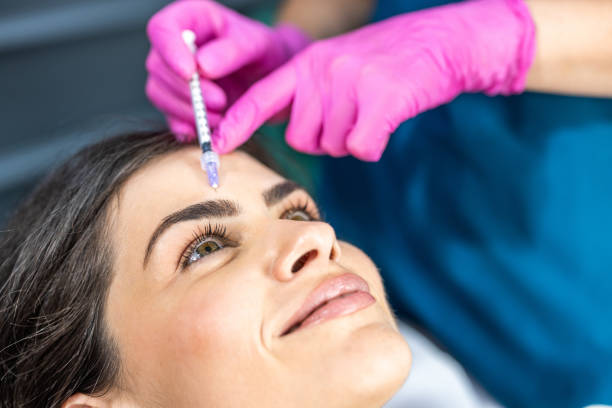
The PRP solution is injected directly into the targeted area. The technique varies depending on the treatment purpose. For hair restoration, multiple small injections are administered across the scalp to stimulate dormant follicles and promote growth. For skin rejuvenation, PRP is applied to areas needing increased collagen production and tissue regeneration. In joint therapy, the solution is injected into the affected joint to support healing and improve mobility.
The injection process is usually brief, and patients may feel mild pressure or a slight tingling sensation. The procedure’s minimally invasive nature allows for a quicker recovery compared to more intensive medical treatments.
Post-Procedure Guidance
After the session, patients are given instructions to maximize the benefits of PRP. These guidelines may include avoiding strenuous activity or manipulation of the treated area for a short period. Gentle care and following recommended routines support the regenerative effects initiated by the PRP.
Patients are also informed about the timeline for noticing results. Improvements are gradual because the platelets stimulate natural tissue repair processes, which take time to manifest. The full effect may become noticeable several weeks after the initial session, with continued improvement over several months.
Typical Duration of a Session
A complete PRP treatment session generally lasts between forty-five minutes to an hour, including blood collection, centrifugation, and injection. The process is efficient, with minimal disruption to daily activities. Many patients appreciate the brevity of the session compared to more invasive procedures, as well as the use of their own biological material to achieve natural results.
Expectations During Recovery
Following a PRP session, mild redness or warmth at the injection site may be present, which is part of the natural healing process. Since PRP relies on the body’s regenerative capabilities, improvements are subtle at first and gradually become more noticeable. Patience is important, as the maximum benefits are typically observed after several weeks of cellular repair and tissue remodeling.
Follow-Up and Maintenance
Depending on the treatment area and individual response, multiple PRP sessions may be recommended to achieve optimal results. Maintenance sessions may be scheduled months after the initial treatment to reinforce the regenerative effects and sustain improvements over time. Regular follow-ups help track progress and adjust the treatment plan as needed.
Frequently Asked Questions (FAQs)
How long does a PRP session last?
A complete session, including blood collection, preparation, and injection, generally takes around forty-five minutes to an hour. The process is straightforward and minimally disruptive to daily routines.
Will I feel pain during the injections?
Most patients experience minimal discomfort, often described as mild pressure or tingling. Numbing agents or cooling techniques can be used to improve comfort during the procedure.
How soon can I see results after PRP treatment?
Results are gradual because PRP stimulates natural tissue regeneration. Initial improvements may be noticeable within a few weeks, with more significant benefits appearing over several months.
Do I need multiple sessions?
Yes, a series of treatments is often recommended for optimal outcomes. Follow-up sessions may also be suggested to maintain results over time.
What should I do after the session?
Patients are generally advised to avoid strenuous activity and follow care instructions for the treated area. Gentle care helps support the regenerative process initiated by PRP.
Is there downtime after a PRP session?
PRP is minimally invasive, so downtime is minimal. Patients can usually resume normal activities shortly after the session while following post-procedure guidance.
How is PRP prepared?
PRP is prepared by drawing a small amount of blood, centrifuging it to concentrate the platelets, and collecting the platelet-rich plasma for injection into the target area.
Can PRP be used for different areas of the body?
Yes, PRP is versatile and can be used for hair restoration, skin rejuvenation, and joint therapy. The injection technique and session planning vary based on the treatment area.