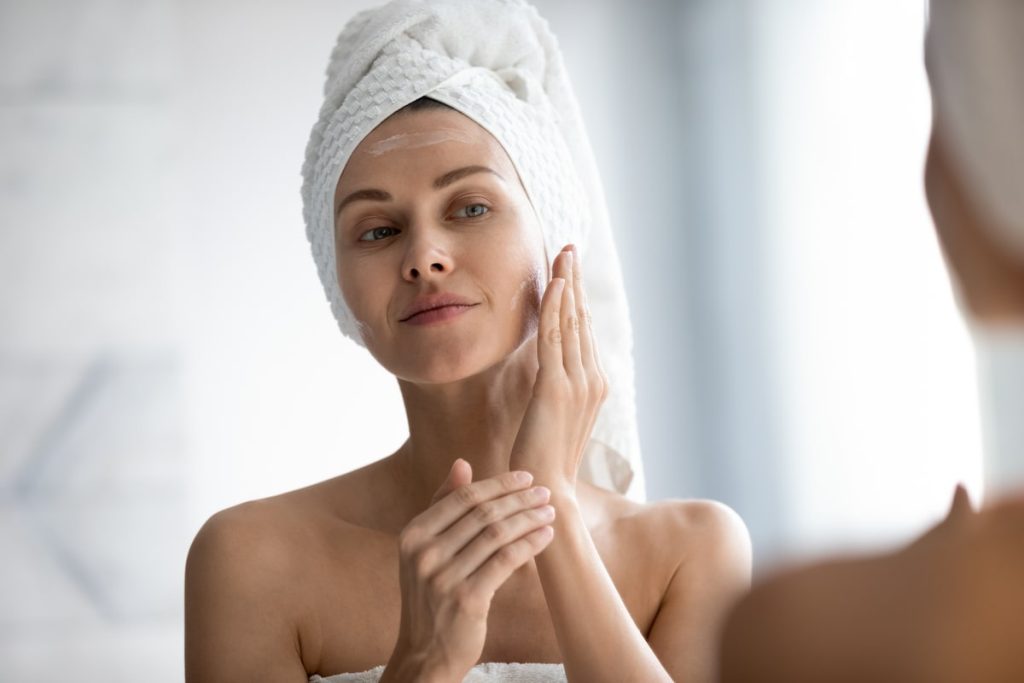
Stressed skin is not just about a dull look. It shows up as sudden breakouts before an event, tightness after washing your face, redness that lingers longer than it should, and patches that feel rough no matter what you apply. Modern life does not give your skin much of a break. Long screen time, city pollution, lack of sleep, central heating, and constant weather changes all take a toll.
When your skin feels overwhelmed, adding more layers is rarely the answer. What it needs is a reset. A simple, focused routine built around the right formulas can calm irritation, restore balance, and bring back that healthy glow. The key is choosing skin care products that work with your skin rather than against it.
Many people switch skin care products every few weeks, hoping for an instant transformation. That constant change often creates more stress. Instead, think of your routine as support. You want products that soothe, strengthen, and protect. Once you focus on these three goals, your skin starts responding in a much more predictable way.
Below are four essential categories that genuinely help reset stressed skin and bring it back to a healthier state.
1. A Gentle Cleanser That Respects Your Barrier
If your skin feels tight right after cleansing, your face wash may be too harsh. Stripping away natural oils disrupts the skin barrier, which is your first line of defence. When that barrier weakens, moisture escapes easily and irritants get in faster.
A gentle cleanser should remove dirt, sunscreen, and excess oil without leaving your face squeaky clean. That squeaky feeling is often a warning sign. Look for formulas designed to support hydration and maintain your natural balance.
Cleansing twice a day is usually enough. Overwashing, especially during winter, can worsen dryness and redness. A mild cleanser sets the foundation for everything that follows.
2. A Hydrating Serum That Replenishes Moisture
Stressed skin is often dehydrated, even if it looks oily. Dehydration can trigger excess oil production, fine lines, and uneven texture. A lightweight hydrating serum helps draw water into the skin and keep it there.
Apply it to slightly damp skin to lock in moisture. This step makes a visible difference within weeks. Your complexion looks plumper, feels smoother, and reacts less aggressively to environmental triggers.
Hydration is not about heaviness. It is about balance. The right serum delivers comfort without clogging pores or creating shine.
3. A Repairing Moisturiser That Strengthens Skin
Moisturiser is not optional when your skin feels stressed. It seals in hydration and reinforces the barrier so your skin can recover properly. If you often skip this step because your skin feels oily, consider switching to a lighter texture rather than avoiding it altogether.
A good moisturiser reduces flakiness, softens rough areas, and supports overnight repair. During colder months in the UK, indoor heating can make skin feel especially dry. Consistent moisturising helps prevent that tight, irritated feeling many people experience from October through March.
Think of this step as protection. Without it, even the best serum cannot do its job fully.
4. A Targeted Treatment That Calms and Clarifies
Breakouts and sensitivity often appear together when skin is stressed. Using harsh skin care products can make things worse, leading to peeling and prolonged redness. Instead, choose targeted treatments designed to calm inflammation while addressing congestion gently.
Apply only where needed. Overusing active ingredients across your whole face may weaken your barrier further. When used correctly, a targeted formula can reduce blemishes, improve texture, and restore clarity without causing additional irritation.
Consistency matters more than intensity. A steady, balanced approach wins every time.
Wrapping It Up
Resetting stressed skin does not require a complicated ten-step routine. It requires intention. Simplify your approach. Avoid mixing too many strong actives at once. Pay attention to how your skin reacts after each change.
Lifestyle also plays a part. Sleep, hydration, and stress management influence how your skin behaves. No routine can fully compensate for chronic stress or dehydration. Small changes, such as drinking enough water and reducing late nights, can improve your results dramatically.
It is also worth remembering that results take time. Healthy skin is built over weeks, not days. If you introduce supportive products and stick to them, you will likely notice fewer flare-ups, smoother texture, and a more even tone within a month or two.
Most importantly, listen to your skin. If it stings constantly or feels uncomfortable, scale back. Resetting stressed skin is about restoring calm, not chasing perfection.
FAQs
1. How do I know if my skin is stressed?
Common signs include tightness after cleansing, sudden breakouts, redness, dullness, and increased sensitivity. If your skin reacts easily to products that never bothered you before, it may be stressed.
2. Should I stop using all active ingredients?
Not necessarily. However, if your skin feels irritated, reduce the number of strong actives and focus on hydration and barrier support first. Once your skin feels stable, you can reintroduce them slowly.
3. How long does it take to reset stressed skin?
With a consistent routine, many people notice improvement within four to six weeks. Barrier repair and hydration balance take time, so patience is important.
4. Can oily skin be stressed, too?
Yes. Oily skin can still be dehydrated and irritated. In fact, stress often increases oil production. Gentle cleansing and lightweight hydration help restore balance.
5. Is it better to keep my routine simple?
In most cases, yes. A streamlined routine with a few well-chosen products reduces the risk of irritation and makes it easier to identify what truly works for your skin.